(Photo by Alexander Gamanyuk on Unsplash)
Produce at the Supermarket Entrance Can Boost Fruit and Vegetable Sales Significantly
In A Nutshell
- Moving fresh produce to the front entrance of discount supermarkets added more than 2,500 extra servings sold per store each week at the outset, even as UK-wide produce purchases were declining during the pandemic and cost-of-living crisis.
- The gains were strongest in stores where the produce section moved the farthest forward; stores that relocated it a shorter distance saw little to no benefit.
- Women shopping at redesigned stores showed a statistically significant improvement in overall diet quality after six months, with lower-income shoppers appearing to benefit the most.
- Store-level sales gains faded over time, suggesting layout changes alone may need pricing or promotional support to sustain long-term behavior change.
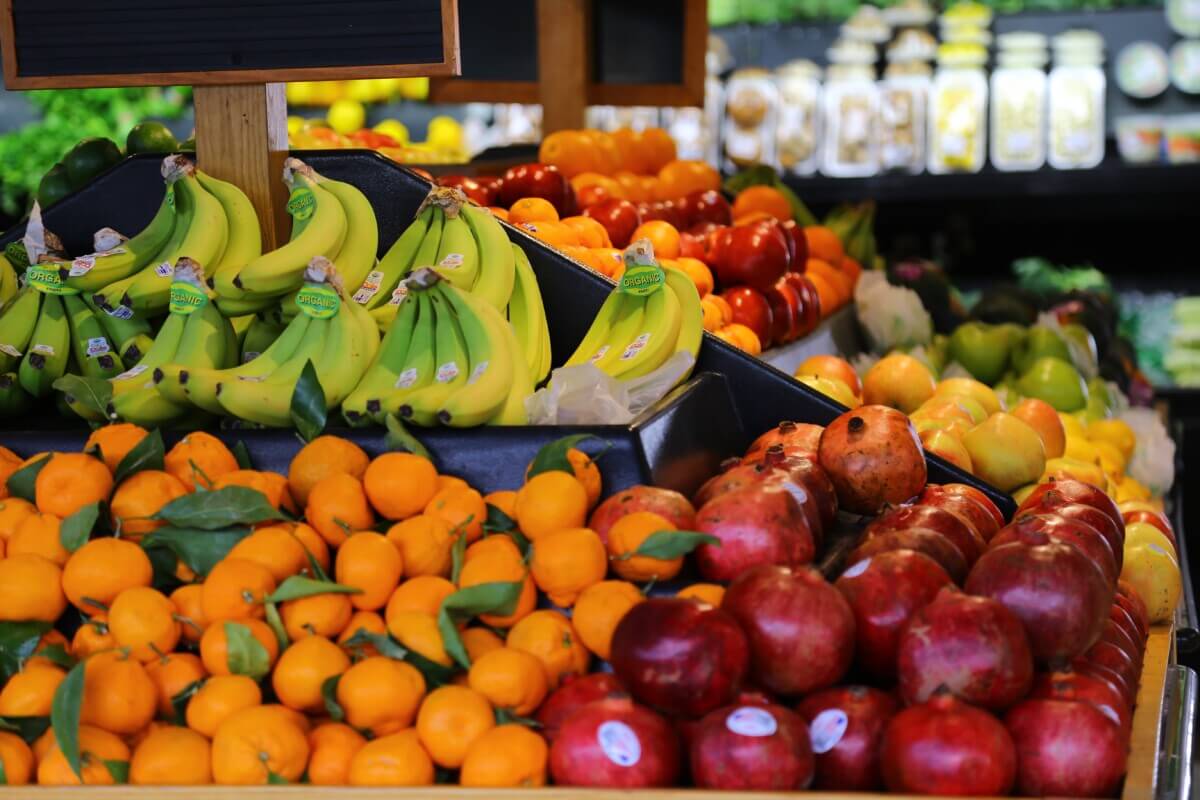
Most discount grocery stores hide their fresh produce in the back, past aisles of chips, soda, and candy. A study published this week in PLOS Medicine asked what would happen if that changed, and found that moving fruits and vegetables to the front entrance of a supermarket added more than 2,500 extra servings sold per store each week at the outset, during a period when produce purchases across the UK were broadly declining.
Researchers worked with a UK discount supermarket chain to redesign 18 of its stores. Each renovation relocated the fresh produce section from the back of the store to near the entrance and expanded the variety available. Another 18 stores kept their original layouts as a comparison group. Loyalty card data, sales records, and dietary interviews tracked what happened over the next six months.
What makes this result stand out is when it happened. The study ran from 2018 to 2022, spanning the COVID-19 pandemic and a severe cost-of-living crisis that drove UK households to cut back on fresh food across the board. Getting people to buy more produce during that stretch was no small feat.
How the Supermarket Produce Study Worked
Researchers recruited 580 women between the ages of 18 and 60 who regularly shopped at one of the 36 participating stores and held store loyalty cards. Women were the target group because studies consistently show they drive the majority of household grocery decisions. Participants completed phone interviews about their diets and food waste at baseline and at one, three, and six months after their store’s layout changed, with loyalty card records filling in the purchasing picture throughout.
Stores were matched by neighborhood income level, customer profiles, and baseline sales figures to make the two groups as comparable as possible before the renovations began.
Bigger Produce Sales When Placement Changed Most
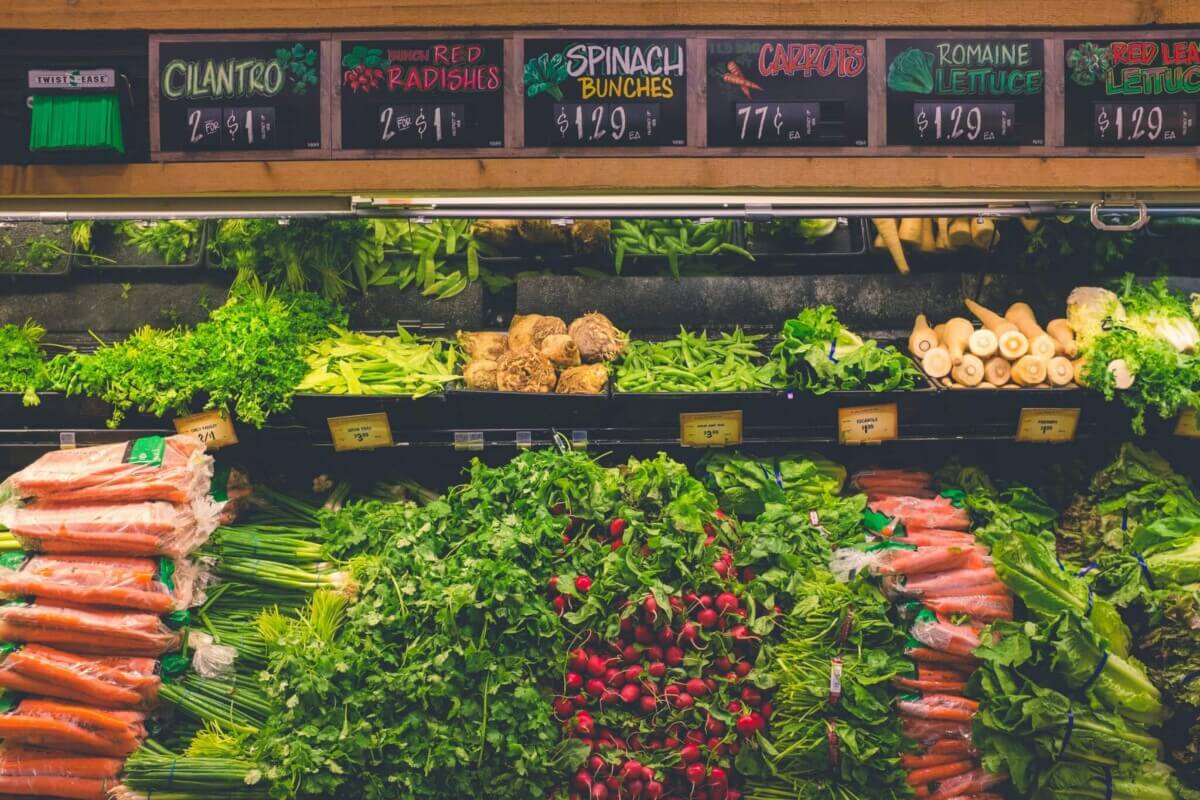
At the store level, the layout change worked, and how far produce moved turned out to be key. Stores where the section relocated at least 46 feet, or about 14 meters, closer to the entrance saw the largest gains, selling roughly 3,645 extra portions per store, per week right after the change, though confidence intervals were wide. Stores where produce moved a shorter distance showed little to no benefit, suggesting the placement needs to be genuinely prominent to make a difference.
Other research has found associations between even small increases in daily fruit and vegetable intake and meaningfully lower risk of early death, which puts even modest weekly gains in a broader health context.
Store-level sales did fade as the months wore on, losing statistical footing by the six-month mark. That gradual decline points to a real-world limitation: a layout change alone may not be enough to permanently reshape habits, particularly without additional reinforcement like pricing incentives or in-store promotions.
Produce Placement and Women’s Diet Quality
At the individual level, the picture was more mixed. Tracking loyalty cards, researchers found the proportion of shoppers buying fresh produce was slightly higher in intervention stores after six months, but that gap was too small to rule out chance. It’s worth noting that purchasing data captures what people buy, not necessarily what they end up eating, so the real-world dietary impact may differ from what the numbers suggest.
Two secondary findings offered more encouragement. Women who shopped at redesigned stores showed a statistically significant improvement in overall diet quality by six months, based on self-reported questionnaires tracking everything from vegetable intake to consumption of processed foods. Women with lower levels of formal education, often a proxy for lower household income, appeared to benefit somewhat more than higher-educated shoppers, though that pattern was not strong enough to be definitive.
On the downside, vegetable waste crept up slightly among shoppers at intervention stores by the six-month mark, an unintended consequence researchers say warrants watching in future work.
Why Supermarket Produce Placement Could Matter at Scale
From 2018 to 2022, UK household fruit purchases dropped 7.2% and vegetable purchases fell 5.3%. Stores with the layout change may have helped weather those declines slightly better than comparison stores, though the evidence is not strong enough to say so with confidence.
Separate research suggests that eating an extra 0.3 to 1 portion of fruit or vegetables per day is associated with a 4% lower risk of coronary heart disease and a 5% reduction in stroke risk. At a population scale, an intervention that costs a supermarket nothing more than a renovation it would have done anyway carries real potential.
In 2022, the UK government began restricting junk food placement at store entrances and checkouts, but stopped short of requiring healthy foods to take those spots. Based on their findings, the researchers suggest policies that go further by also mandating prominent produce placement in large stores, particularly discount chains where lower-income families shop most often, could amplify these effects. Pairing that kind of placement rule with pricing support or promotions, something this study did not test, could make the case even stronger.
Paper Notes
Limitations
Researchers were unable to randomly assign stores to the intervention or control condition, meaning the study cannot prove causation and unmeasured differences between locations could have influenced results. Participant recruitment was significantly disrupted by COVID-19, producing smaller samples than originally planned and requiring an expanded age range and an additional recruitment wave. Analyses examining how far produce moved were not pre-planned but identified through a separate process evaluation, adding uncertainty. Individual dietary findings rely on self-reported data and should be interpreted cautiously. Data also only captured purchases at the study supermarket, not at other stores participants may have used.
Funding and Disclosures
This study was funded by the NIHR Public Health Research Programme (grant: 17/44/46) and the NIHR Southampton Biomedical Research Centre (grant: NBRC RS4h). Funders had no role in study design, data collection, analysis, or the decision to publish. No funding was received from the participating supermarket chain, and all analyses were conducted independently of supermarket staff. Janet Cade is director of a spinout company, Dietary Assessment Ltd. Cyrus Cooper has received consultancy fees and honoraria from several pharmaceutical companies; those relationships are unrelated to this study. All other authors declared no conflicts of interest.
Publication Details
Lead author Christina Vogel is affiliated with the Centre for Food Policy at City St George’s, University of London, and the MRC Lifecourse Epidemiology Centre at the University of Southampton. Co-authors include Sarah Crozier, Preeti Dhuria, Joanne Lord, Graham Moon, Wendy Lawrence, Janet Cade, Kylie Ball, Cyrus Cooper, and Janis Baird. Published March 31, 2026 in PLOS Medicine. Title: “Impact of supermarket fruit and vegetable placement on store sales, customer purchasing, diet and household waste: A prospective matched-controlled cluster trial.” DOI: https://doi.org/10.1371/journal.pmed.1004575


