(© skumer - stock.adobe.com)
It’s not so much the distance traveled, but what happens in between.
In A Nutshell
- Analysis of runners’ online posts shows that forests, water, and wildlife yield positive feelings. Path quality, from soft surfaces to good signage, mattered more than expected.
- Runners wrote more about enjoyment, motivation, and well-being than any other factor. Many used running to manage stress and overwhelming emotions.
- Wildfire smoke and extreme heat forced runners to skip workouts, adjust timing, or accept decreased performance. One runner asked: “Will I die of restlessness or smoke inhalation?”
- Most preferred running with others for community support, but some specifically sought solitude as restorative alone time. The pandemic intensified both needs.
Depending who you ask, going on a run can be a fantastic experience or absolutely awful. While some people will never be into cardio, there are other factors at play when it comes to sweating out a quality jog. Researchers analyzed what Strava runners wrote about their runs to see what people say makes a run feel great or terrible.
Scientists at Simon Fraser University examined social media posts from 137 Strava users in Metropolitan Vancouver, spanning roughly 10 years of running data. Strava is a fitness tracking app where people share their routes, performance stats, and brief descriptions of their runs with friends. Rather than just mapping where people run, the research team dove into the words runners used to describe their outings.
The study, published in Wellbeing, Space and Society, focused on posts showing extreme emotions, either highly positive or highly negative. Using artificial intelligence to detect sentiment in the posts, researchers filtered through more than 40,000 runs to find 3,225 posts with the strongest feelings. They then manually analyzed these posts to identify patterns in what made runs great or terrible.
Runners talked most about psychological aspects, followed by their experiences with other people, weather conditions, surroundings, physical sensations, and path characteristics.
What’s Happening Inside Runners’ Heads
Mental and emotional factors dominated the posts. Runners wrote about enjoyment, motivation, well-being, and how they felt about their performance. Many described running as adventure and fun, especially when they weren’t focused on times or distances.
“Ran through creeks, got lost, had fun, definitely better than staying in bed,” one runner wrote after an exploratory run.
Others used running to manage their mental health. Several posts described runs as self-care or ways to clear overwhelming emotions. Runs in nature, and runs with music, often showed up in posts about feeling better afterward. One runner noted, “A little run to help with feeling overwhelmed. It definitely worked, much better after.”
Motivation fluctuated based on personal health goals, watching other runners’ performances, or working toward specific achievements. Fatigue, stress, and busy schedules dampened motivation. Men more often compared their performance to others, sometimes feeling discouraged when they couldn’t keep pace.
Strava itself shaped how people ran. The app’s competitive features, where users can compare their speed on specific route segments and earn digital awards, motivated some runners to push harder or repeat routes. For some runners, the performance focus sounded energizing at first, but it could also start to feel draining.

Running Alone or Together
Many runners wrote about the social aspects of running. Most participants clearly preferred running with others, describing strong feelings of community support. One runner thanked fellow runners, writing, “Big thanks to my co-finishers for the encouragement and conversation through the night. And thanks to my family for bringing me food and support.”
Some runners specifically sought solitude, viewing alone time as restorative. Others accidentally ended up running solo when friends couldn’t join them and wrote about missing that companionship.
The COVID-19 pandemic created unique challenges. Runners lamented missing their training partners and regular routes. As restrictions eased, some adapted by starting earlier to avoid crowds or maintaining distance from other pedestrians. One runner explained the precautions: “6 feet apart and an early start to keep safe.”
Crowded paths frustrated many runners, particularly those focused on performance who found interruptions from other pedestrians disruptive. A few enjoyed people-watching and pleasant encounters with strangers.
When Weather Becomes the Main Character
Weather came up a lot in posts. Runners appreciated moderate temperatures and sunny conditions. Extremely hot weather forced people to shorten runs, adjust timing, or lower expectations. One runner simply wrote, “Way too hot… couldn’t make it home.”
Cold temperatures divided runners. Some found frigid conditions invigorating, while others shortened runs or stayed inside. Heavy wind was generally unwelcome, especially headwinds that made running feel like slogging through mud.
Rain created mixed reactions. Mud and puddles annoyed some runners, while others found them fun. Several posts mentioned deliberately seeking forested areas for shelter from wind and rain.
Wildfire smoke prompted numerous posts about degraded air quality. During heavy smoke periods, many avoided outdoor running, though others ran anyway and sometimes reported throat or lung pain. One runner expressed frustration with the difficult choice: “Will I die of restlessness or smoke inhalation? I’m blaming everything on the forced taper and hell sky.”
Trees, Water, and Wildlife
Runners frequently commented on their surroundings. Most attractive features involved nature, with forests, water bodies, mountains, and sunsets dominating positive posts. One runner expressed gratitude: “It’s a gift to be able to run through a forest and breathe clean air whenever I want.”
Trails surrounded by trees felt particularly restorative. Many sought routes near water and took advantage of opportunities to swim.
Animal sightings generated interest and sometimes concern. Runners commonly mentioned seeing or stopping to pet dogs and cats. Others reported birds, bunnies, deer, otters, seals, raccoons, coyotes, bobcats, cougars, and bears. While most sightings were reported with curiosity, some runners felt extremely wary of large animals. One runner wrote, “No real trails alone until this cougar is gone.”
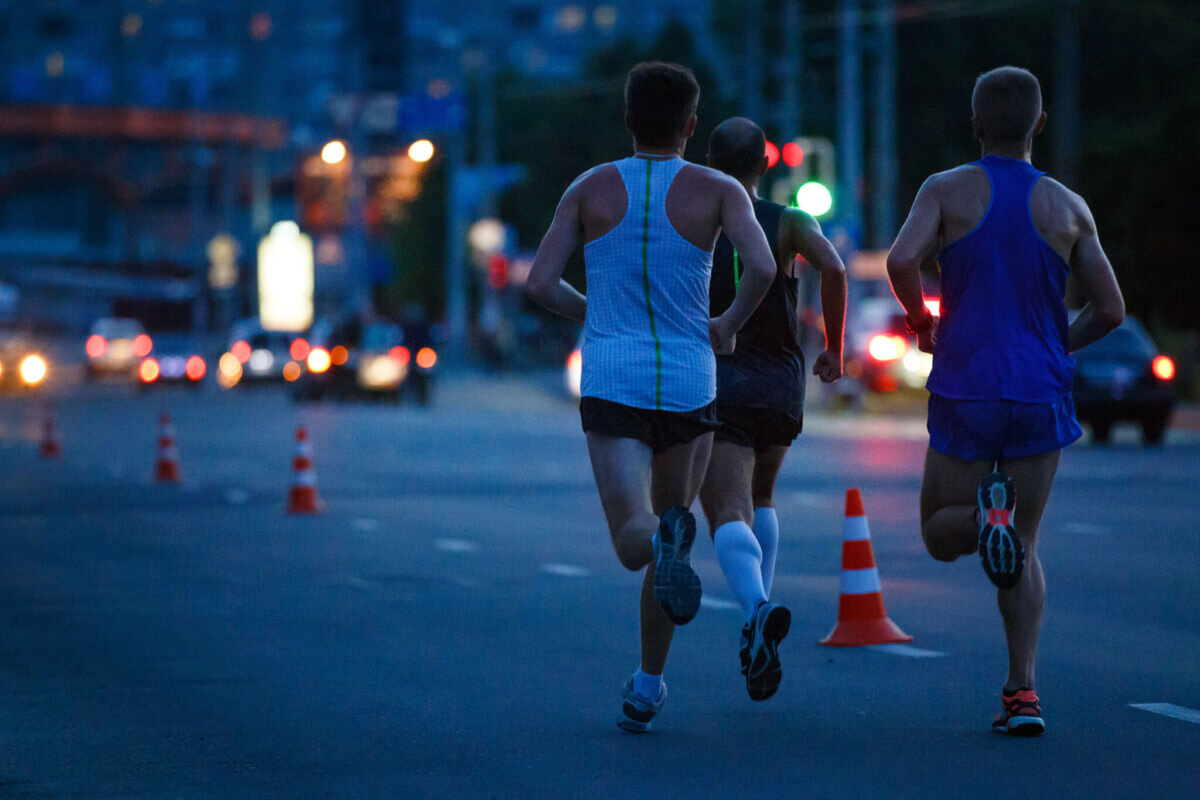
Running in darkness made people more alert or anxious. Limited visibility increased difficulty navigating routes and seeing obstacles. Several women specifically expressed needing heightened awareness when running in dark, uncrowded areas.
Vehicle traffic generally related to safety risks. Runners appreciated quiet routes with little traffic, while negative accounts focused on danger from inattentive drivers.
The Ground Beneath Their Feet
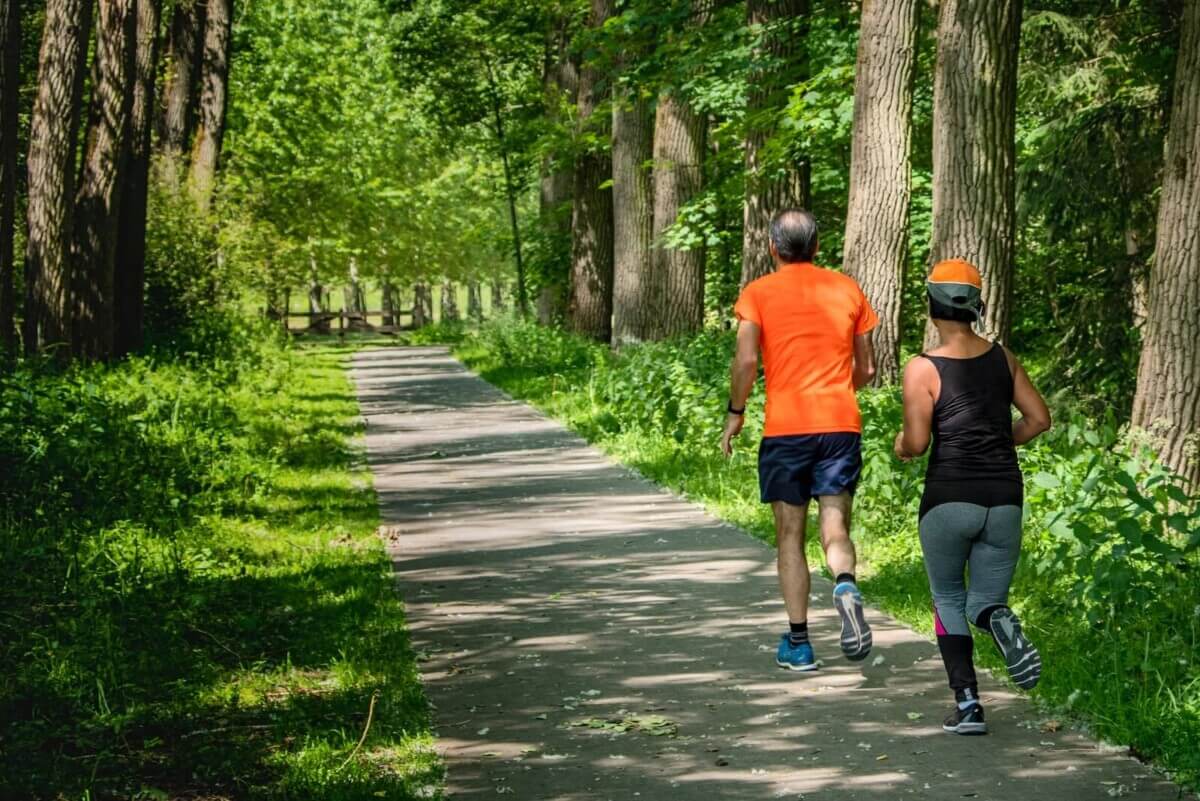
Path quality mattered more than many might expect. Most runners preferred maintained paths with few obstacles and even terrain. Soft surfaces like tracks, trails, and turf beat hard pavement and gravel. Preferences for hills varied, with some enjoying the challenge of running uphill while others preferred flatter surfaces.
Runners valued uninterrupted routes. Disruptions came from sidewalks ending abruptly, dead ends, trail closures, frequent road intersections, and waterway crossings. Getting lost happened primarily due to lack of signage and poorly marked trails. One runner described thrashing through underbrush: “The trails look nothing like Google maps, so 2 off trail detours were required to thrash a way through back to the loop.”
What this research reveals is personal. Running isn’t just about distance or speed. Time, place, company, and setting influence the experience. Every run is shaped by dozens of small factors that add up to either joy or misery. And increasingly, those experiences are being shaped by climate change, whether it’s smoke from distant wildfires or heat waves that force runs into early morning hours. The words runners choose tell us that these details matter, perhaps more than the miles themselves.
Disclaimer: This article is for informational and educational purposes only and should not be construed as medical or training advice. Consult with a healthcare provider before starting any new exercise program. Running in areas with poor air quality, extreme weather conditions, or near wildlife may pose health risks. The views expressed by runners in this study are their personal experiences and do not constitute professional recommendations.
Paper Summary
Limitations
The study has several constraints. Participants were limited to Strava users who opted into the research, creating self-selection bias. Recruitment targeted people with higher interest in running through run clubs and running shops. Strava tends to overrepresent men and individuals with higher income and education levels. The study excluded non-English posts, limiting findings to English-speaking populations. Results reflect only Strava runners in Metro Vancouver. The sentiment analysis tool VADER, while effective, can fail to detect sarcasm and relies on English text. The researchers achieved consistency through frequent discussion rather than quantifying inter-rater reliability.
Funding and Disclosures
This work was supported by the Social Sciences and Humanities Research Council (SSHRC) grants 435-2023-0651 and 186839. The authors declare no competing financial interests or personal relationships that could have influenced the reported work.
Publication Details
Harden, S.R., & Schuurman, N. (2025). “Run with feeling: A qualitative content analysis of runner sentiment in Metro Vancouver,” was published in Wellbeing, Space and Society, Vol. 9, December 2025, 100326. https://doi.org/10.1016/j.wss.2025.100326. Department of Geography, Simon Fraser University, 8888 University Drive, Burnaby, BC, V5A 1S6, Canada.


