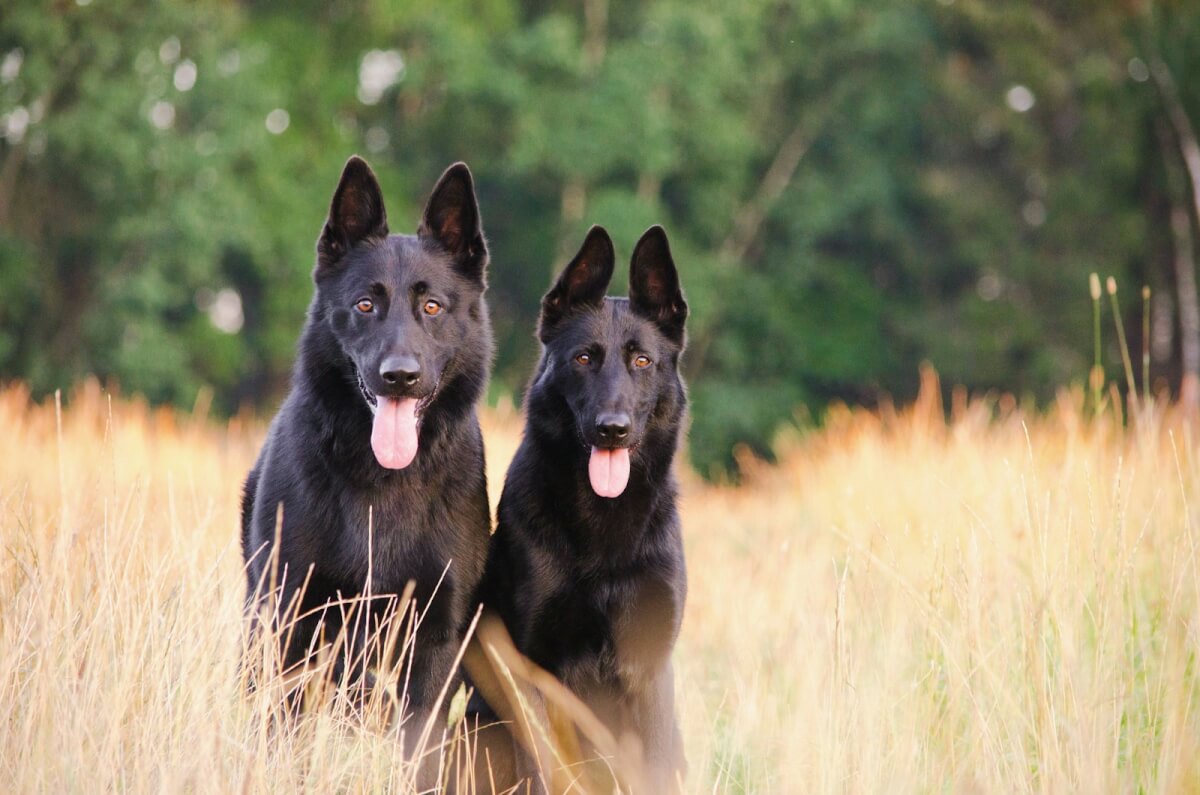
Photo by Anna Dudkova on Unsplash
In A Nutshell
- Scientists analyzed blood from 784 pet dogs of different ages and breeds across 49 U.S. states, finding that about one-third of measured molecules change with age.
- Modified amino acids from protein breakdown increased in older dogs, and kidney function explained 40 to 67 percent of this age-related change.
- Unlike lab mice studies, this research captures real-world aging across diverse genetics and environments, potentially offering better insights for human aging.
- The Dog Aging Project follows thousands of pets over their lifetimes to identify which factors influence healthy aging and test interventions like rapamycin.
Scientists have struggled for decades to understand how aging actually works in the real world. Laboratory mice reveal important mechanisms but live in conditions nothing like human life. Studies of people take too long and capture only snapshots. Now, researchers may have found an ideal middle ground: your pet dog.
The Dog Aging Project enrolled 50,000 companion animals to track aging as it naturally unfolds. The first major findings from 784 dogs point to kidneys as a key player in how mammals age. Modified amino acids from protein breakdown accumulate in older dogs’ blood, and kidney function—not diet or breed—accounts for roughly half of that increase.
Dogs develop the same age-related diseases humans do but age seven times faster. A decade-long study in dogs captures an entire lifespan, offering insights that would take a human lifetime to gather.
Researchers analyzed blood samples from companion dogs ranging from puppies to 18-year-old seniors. About one-third of the small molecules floating in dog plasma change as animals get older. One group stood out: modified amino acids that only appear when proteins break down inside the body. Scientists call these molecules post-translationally modified amino acids, or ptmAAs for short. They increased in older dogs’ blood.
When scientists investigated further, they discovered that roughly half of this age-related increase could be explained by kidney function. Dogs with higher levels of creatinine, a sign that kidneys are not filtering efficiently, also had more of these protein breakdown products in their system.
The finding, published in Aging Cell, points to kidneys as a central player in aging physiology. That is harder to detect in the snapshot studies that dominate human aging research.
Why Lab Mice Miss the Complexity of Real-World Aging
Laboratory mice have powered aging discoveries for decades. Scientists control every variable: genetics, diet, temperature, light cycles, and social environment. This control has revealed genes and drugs that extend lifespan in animals.
But control can create a blind spot. Lab environments do not reflect how mammals actually age in nature. Wild and domestic animals face infections, temperature swings, varied food sources, social stress, and countless other factors that shape how bodies change over time.
Companion dogs occupy a middle ground. The study included dogs from 110 different breeds plus mixed-breed animals, living in 49 states across the country. Some live in cities, others in suburbs or rural areas. They eat kibble, raw food, or home-cooked meals. They get veterinary care ranging from basic to sophisticated. All this variation mirrors human life.

Canine aging mirrors human aging, opening up exciting new research opportunities. (Credit: marino bocelli on Shutterstock)
Dogs also develop many of the same age-related diseases humans do: cancer, dementia, arthritis, heart disease, and kidney disease. They share our environment, breathe the same air, and face similar stressors. Yet they age much faster. A 10-year study in dogs captures most of their lifespan, while the same period covers only a slice of human aging.
The Dog Aging Project was designed to take advantage of these features. Starting in 2020, researchers began enrolling tens of thousands of companion dogs for lifetime tracking. The Precision Cohort, a subset that receives deep molecular profiling, includes the 784 dogs in this analysis.
How Snapshot Studies Miss the True Picture of Aging
Most large human aging studies compare people of different ages. Researchers might measure metabolites in 50-year-olds and 70-year-olds and look for differences. This cross-sectional approach can identify age-related patterns but faces inherent limitations.
Survivor bias is the biggest problem. The oldest people in any study are, by definition, the ones who lived that long. They might have metabolic profiles that protected them from diseases that killed their peers. Comparing them to younger groups does not show how an average person ages. It shows how successful agers differ from younger people.
Cross-sectional studies also cannot separate cohort effects from aging effects. People born in different decades grew up with different diets, environmental exposures, and healthcare. Differences between age groups might reflect when they were born rather than biological aging.
Longitudinal studies that follow the same people over time solve some of these problems but create new ones. Human lifespans make them expensive and slow. Researchers need 20 or more years to see meaningful health outcomes. Many participants drop out or die before studies conclude.
The Dog Aging Project offers a solution. Dogs age fast enough that researchers can follow them from youth through old age in under a decade. The baseline data analyzed here are the starting point, and annual follow-ups will show how these biomarkers track with health outcomes.
Blood Markers Show Kidneys Play a Central Role in Aging
After accounting for genetics, body size, sex, and other factors, 48 of 133 measured metabolites showed clear associations with age. Two groups caught researchers’ attention: carnitines involved in fat transport and post-translationally modified amino acids from protein breakdown.
The protein breakdown products proved more revealing. These molecules form when proteins get chemically tagged during or after construction. Cells attach small chemical groups to specific amino acids, which can change how proteins fold or function. When modified proteins break down, they release these tagged amino acids into the bloodstream.
Six of the 12 measured modified amino acids associated with age. Four N-acetylated amino acids, including phenylalanine, tryptophan, alanine, and glutamine, increased in older dogs. Two others, methionine sulfoxide and hydroxyproline, decreased. These molecules tend to appear together in blood rather than varying independently, which supports the idea that they share a common source: widespread protein breakdown throughout the body.
Researchers tested whether diet could explain the accumulation. Dogs in the study ate everything from dry kibble to raw food to home-cooked meals. After comparing plasma metabolites across primary diet categories, researchers found no association between age-related modified amino acids and what dogs ate.
Kidney function told a different story. Kidneys filter blood and remove waste products, including byproducts of protein metabolism. Two standard clinical tests measure kidney function. Serum creatinine indicates how well kidneys filter; higher levels mean less efficient filtration. Blood urea nitrogen reflects nitrogen waste from protein breakdown.
Both markers correlated with most modified amino acids. Dogs with higher creatinine and blood urea nitrogen had more protein breakdown products in their blood. Statistical models showed these kidney function markers accounted for about 40 to 67 percent of the age effect on modified amino acids.
This connection between aging, protein metabolism, and kidney function is difficult to detect in human cross-sectional studies. The pattern appears across dogs of many sizes, breeds, and living situations, which points to something basic about mammalian aging rather than narrow breed characteristics or specific home environments.
How Diverse Dog Data Creates Better Aging Research
The Dog Aging Project embraced variation that other studies try to eliminate. Rather than studying a single inbred laboratory strain, the team recruited genetic diversity. Rather than controlling environment, they sampled across climates and living conditions. Rather than standardizing diet, they accepted whatever dogs normally eat.
This approach required more sophisticated analysis. The research team used whole genome sequencing to map genetic relationships between dogs and controlled for these relationships statistically. They also accounted for weight, sex, spay or neuter status, how long dogs fasted before blood collection, and 17 measures from complete blood counts.
Even after these controls, clear aging signals emerged. The fact that patterns held across such diversity suggests they capture core features of aging physiology rather than artifacts of particular conditions. Laboratory studies cannot make this claim. When all subjects experience identical conditions, researchers cannot know if results apply more broadly.
Precision Cohort dogs receive annual blood draws, health assessments, cognitive testing, and owner surveys. Samples go into a biobank for future analysis. Genetic sequences are available for the entire cohort. As dogs age, develop diseases, and eventually die, the project will accumulate a dataset that links molecular profiles to health outcomes.
This design will answer questions that current approaches cannot address. Do dogs whose modified amino acids increase faster also show faster cognitive decline? Do these metabolic markers predict cancer, kidney disease, or other age-related conditions? If interventions slow aging, do they also modify these biomarkers?
Within the broader program, one active line tests low-dose rapamycin in dogs. If rapamycin slows aging, it should alter the metabolic signatures identified here. That would provide evidence that these biomarkers reflect basic aging processes rather than simple correlations with age.
Patterns identified in companion dogs that age naturally might predict human aging better than patterns from laboratory mice that age in controlled conditions. If protein breakdown products and kidney function markers prove to be universal features of mammalian aging, they could guide human interventions.
The current analysis shows that real-world aging leaves measurable chemical traces in blood, that these traces reflect protein breakdown, and that kidneys play a substantial role in how these markers accumulate. The pattern holds across dogs living very different lives, which captures something about how mammals age when they experience life outside the laboratory.
This article summarizes scientific research for general information and should not be considered medical or veterinary advice. Readers interested in their own health or their pets’ health should consult qualified healthcare professionals.
Paper Summary
Methodology
Researchers analyzed blood plasma from 784 dogs in the Dog Aging Project Precision Cohort, ranging in age from 0.7 to 18 years. Dogs came from 49 states and included both purebred and mixed-breed animals. The team measured 133 small molecules using liquid chromatography–mass spectrometry. They used whole genome sequencing to determine genetic relationships between dogs and to control for these relationships in their statistical analyses. The analysis accounted for age, weight, sex, spay or neuter status, fasting duration before blood collection, complete blood count variables, and genetic relatedness. Principal component analysis identified patterns in the data, and linear mixed models tested associations between individual metabolites and age.
Results
Approximately 36 percent of measured metabolites, 48 of 133, showed associations with age after correcting for multiple comparisons. Two groups were notable: carnitines involved in fat metabolism and post-translationally modified amino acids that come from protein breakdown. Six of 12 measured ptmAAs associated with age, with four increasing and two decreasing in older dogs. The age-associated ptmAAs clustered together statistically, which supports a common source. Serum creatinine and blood urea nitrogen, both markers of kidney function and protein metabolism, mediated about 40 to 67 percent of the age effect on ptmAAs. Primary diet category did not explain variation in age-associated ptmAAs. Urine specific gravity associated with hydroxyproline and mediated 18 percent of the age effect on that marker.
Limitations
This study presents cross-sectional baseline data from one time point, which cannot establish causation or show how metabolites change within individual dogs over time. The cohort likely includes healthier dogs due to self-selection and survivor bias. The study lacked detailed dietary information beyond primary food category. While the analysis controlled for many factors, unmeasured variables could influence the results. The findings apply to companion dogs and may not translate directly to other species, including humans.
Funding and Disclosures
This research used publicly available data from the Dog Aging Project, funded by National Institute on Aging grant U19 AG057377, with additional support from the Glenn Foundation for Medical Research, Tiny Foundation Fund at Myriad Canada, WoodNext Foundation, and Dog Aging Institute. One author serves on the board of Wndrhlth Club Inc. Other authors declared no conflicts of interest.
Publication Information
Harrison BR, Partida-Aguilar M, Marye A, et al. Protein Catabolites as Blood-Based Biomarkers of Aging Physiology: Findings From the Dog Aging Project. Aging Cell. 2025;0:e70226. doi:10.1111/acel.70226


