
(Photo by sasirin pamai on Shutterstock)
In A Nutshell
- Vermont tops the list with a Healthy States Index score of 8.69, strong wellness infrastructure, and a life expectancy of 78.4 years.
- New Hampshire and Washington round out the top three, thanks to clean air, abundant outdoor recreation, and extensive walking routes.
- Hawaii has the highest life expectancy (79.9 years) despite not cracking the overall top ten.
- Louisiana ranks lowest, with fewest gyms, highest smoking rates, and a life expectancy of just 72.2 years.
- The 8-year gap between healthiest and least healthy states shows how access to gyms, parks, clean air, and healthy food can extend life.
MURRAY, Utah — Your zip code might determine your lifespan more than your genetic code. A new study reveals that Americans living in the healthiest states can expect to live nearly eight years longer than those in the least healthy areas, a gap that comes down to differences in access to gyms, parks, clean air, and healthy food.
Per diem healthcare staffing platform Nursa analyzed all 50 states using metrics including pollution levels, smoking rates, hospital readmissions, and access to wellness facilities to create the first Healthy States Index. The results expose a sharp divide: while some states have built wellness ecosystems that promote long, healthy lives, others struggle with limited infrastructure and poorer health outcomes that cost residents precious years.
Vermont Leads the Way For Healthiest States
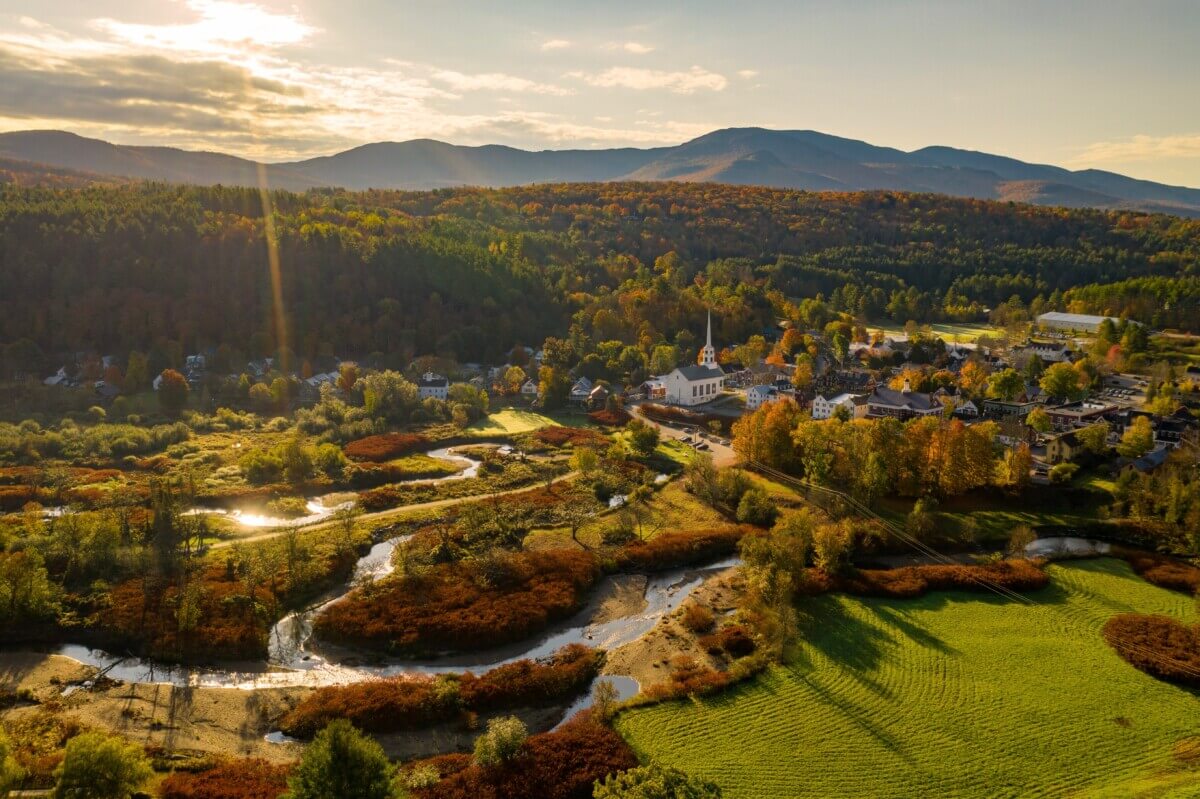
Vermont tops the rankings with a score of 8.69 out of 10, thanks to exceptional access to healthy living resources. The Green Mountain State boasts the highest concentration of healthy food stores in America — 37.95 per 100,000 residents — which is about 75% higher than the national average. Residents also enjoy some of the cleanest air in the country and relatively low smoking rates at 13.23%.
The state’s health infrastructure runs deep: 13.11 gyms per 100,000 people, 17.43 parks per 100,000 residents, and an extensive network of 31.01 walking and running routes per 100,000 people. Vermont’s hospital readmission rate of 14.51% is about average compared to other states, suggesting consistent care access for residents.
New Hampshire claims second place with 8.43 points, featuring the cleanest air of any state (pollution score of 3.63) and strong access to both gyms and healthy food options. The state’s 78.5-year life expectancy ranks seventh nationally, supported by outdoor recreation opportunities like skiing, hiking, and kayaking that help residents stay naturally active.
Washington rounds out the top three with 8.35 points, distinguished by an extensive walking infrastructure. It ranked among the highest nationally at 73.63 routes per 100,000 people, although New Mexico actually has the highest rate at 172.71. Washington’s 1,404 total parks help residents stay active and connected to nature. The study found that the number of parks per state had a negative correlation with hospital readmission rates.
The Middle Tier Shows Different Approaches to Wellness
Maine (8.33 points) leverages its coastal geography despite having fewer gyms, compensating with the highest park concentration in America at 50.20 per 100,000 people. Utah (8.28 points) demonstrates how culture affects health, with the lowest smoking rate among top performers at just 10.14%.
Colorado, Maryland, Massachusetts, Oregon, and Iowa complete the top 10, each bringing different strengths. Colorado offers 16.53 gyms per 100,000 residents, while Massachusetts achieves an impressive 79.6-year life expectancy. Maryland provides relatively strong swimming pool access compared to some other top states, though Arizona and South Carolina have the highest pool rates nationally.
Hawaii deserves special recognition despite not making the top 10: the state claims the highest life expectancy in America at 79.9 years, proving that some factors can overcome infrastructure limitations.
Louisiana Ranks as the Unhealthiest State
Louisiana ranks last with just 4.97 points, representing a health crisis across multiple measures. The state has the fewest gyms per capita — only 2.84 per 100,000 people — less than a quarter of Vermont’s rate. With smoking rates reaching 21.01% and life expectancy dropping to 72.2 years, Louisiana residents face shorter lifespans than their healthier-state counterparts.
The bottom five states — Tennessee (5.46), West Virginia (5.47), Alabama (5.76), Nevada (5.48), and Louisiana — all face combinations of environmental challenges, fewer wellness facilities, and higher hospital readmission rates.
“High hospital readmission rates strain both patient outcomes and healthcare facilities striving to meet patient care demand. As facilities work to manage fluctuating patient volumes and avoid financial penalties, they are often faced with increased pressure to scale staff up quickly and flexibly,” says Curtis Anderson, CEO of Nursa. “Managing this effectively requires flexibility and careful workforce planning.”

Why Infrastructure Determines Health Outcomes
The connection between available resources and health outcomes goes beyond individual choice. It reflects systematic access to wellness tools. States with abundant gyms, parks, and clean air consistently show higher life expectancy, while those lacking these resources see residents struggle with preventable conditions.
The smoking rate variations tell a clear story: Utah’s 10.14% rate versus Louisiana’s 21.01% reflects different cultural norms, tobacco policies, and public health initiatives built over decades. Similarly, pollution levels vary dramatically based on environmental policies that continue affecting health outcomes years later.
The eight-year life expectancy gap between Hawaii (79.9 years) and Louisiana (72.2 years) represents more than statistics — it’s lost time with family, missed career milestones, and life experiences that geography has essentially taken from residents of less healthy states.
The top-performing states offer a clear improvement blueprint: invest in parks and recreation, implement policies promoting clean air while discouraging smoking, and ensure widespread access to healthy food. Vermont’s success came from sustained commitment to environmental protection, outdoor recreation, and public health that created positive cycles where healthy infrastructure enabled healthy choices.
Disclaimer: This report summarizes findings from the Healthy States Index created by Nursa using publicly available data sources including OpenStreetMap, the EPA, and the CDC. While correlations between infrastructure and health outcomes are highlighted, individual health outcomes vary. Quotes and statistics are sourced directly from the official press releases and dataset provided by Nursa.
Methodology
Nursa researchers used U.S. OpenStreetMap data to count parks, gyms, walking routes, pools, and food stores in each state, normalizing all numbers per 100,000 residents for fair comparison. Pollution data came from the Environmental Protection Agency, while smoking rates, hospital readmission rates, and life expectancy information were gathered from the Centers for Disease Control and Prevention and other federal sources. Each state received a score out of 10 using a percentile ranking system.
Note: The study did not publish detailed category definitions for facilities or food sources beyond the main categories reported.
This approach captures both health outcomes and the underlying infrastructure that makes healthy living possible — or difficult — for millions of Americans.


