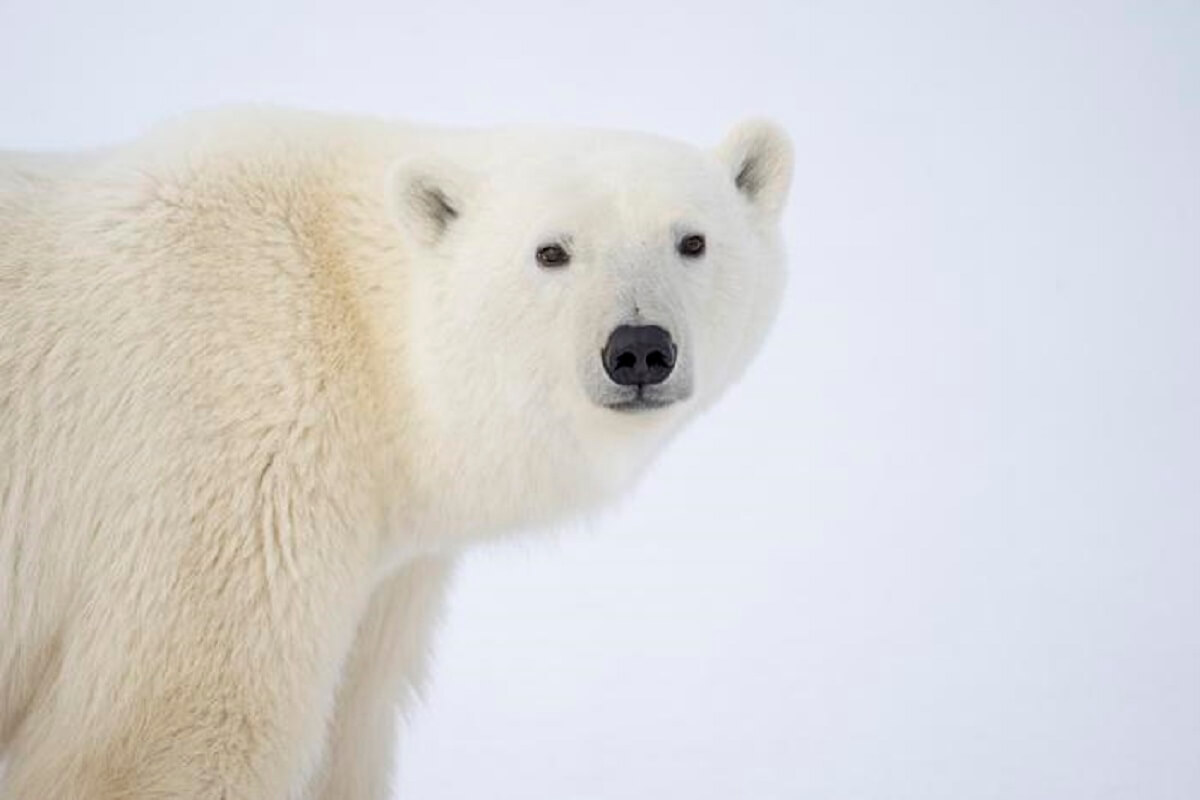
A polar bear photographed in Churchill, Canada, in November 2021. (credit: Erinn Hermsen/Polar Bears International)
HANGZHOU, China — Feeling too cold this winter? You may soon be able to dress like a polar bear. In a groundbreaking development, researchers have created a new type of fiber for clothing that takes inspiration from polar bear fur. This new fiber, known for its extraordinary heat retention and durability, could revolutionize how we make winter gear, like sweaters and jackets.
Aerogels, the key component of this fiber, are incredibly lightweight materials known for their exceptional ability to insulate against heat. They’re like a highly porous sponge, but until now, their fragility and inability to withstand everyday wear and tear made them impractical for use in clothing.
What makes polar bear fur unique is its special structure: each hair has a porous core and a dense outer shell, allowing polar bears to stay warm and dry in freezing conditions.
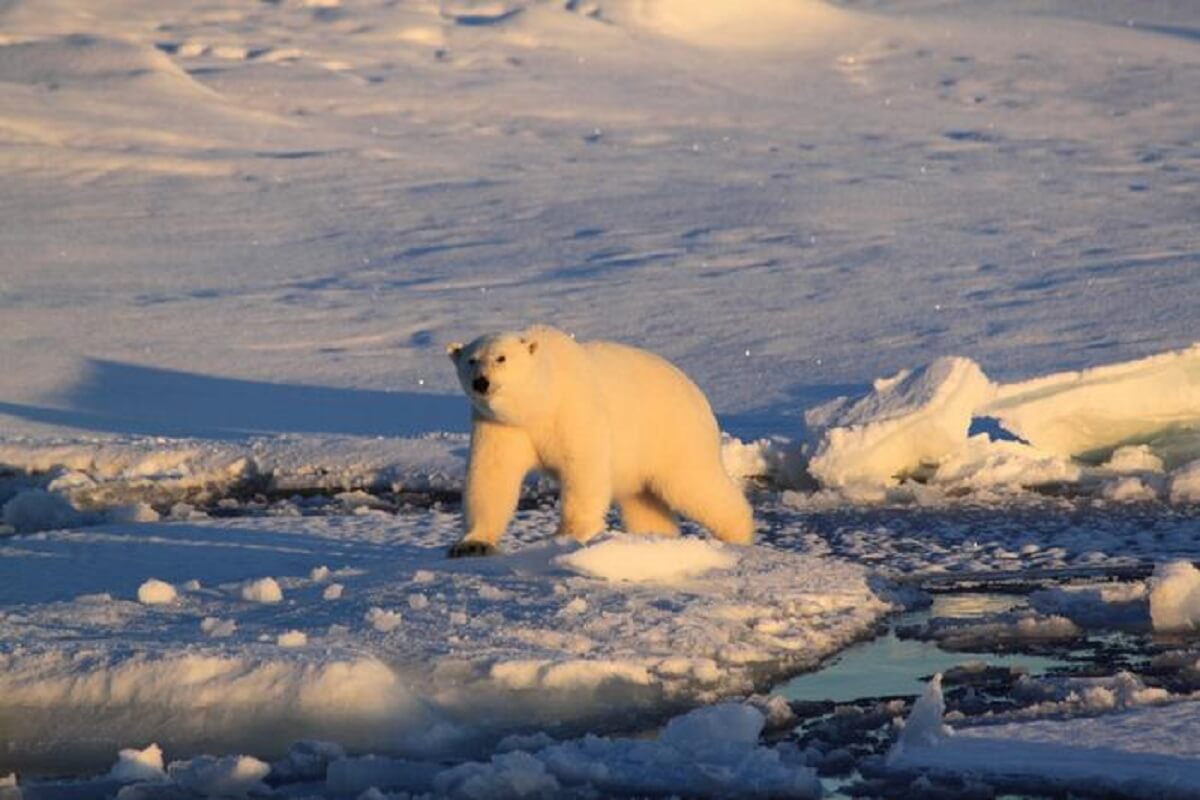
Mimicking this, researcher Mingrui Wu and a team in China developed a new fiber using a technique called freeze-spinning. They created a strong, stretchy aerogel fiber that can stretch up to 10 times its original length without breaking – a significant leap from traditional aerogel fibers, which barely stretch at all.
Perhaps most impressively, this new fiber can withstand repeated stretching and washing, retaining its thermal insulation properties. As a demonstration, the team knitted a thin sweater from these fibers. Surprisingly, although this sweater is about five times thinner than a typical down jacket, it offers similar warmth.
This innovative development paves the way for advanced textiles that can keep us warmer in cold weather while being lightweight, durable, and easy to care for.
The details of the breakthrough are published in the journal Science.


