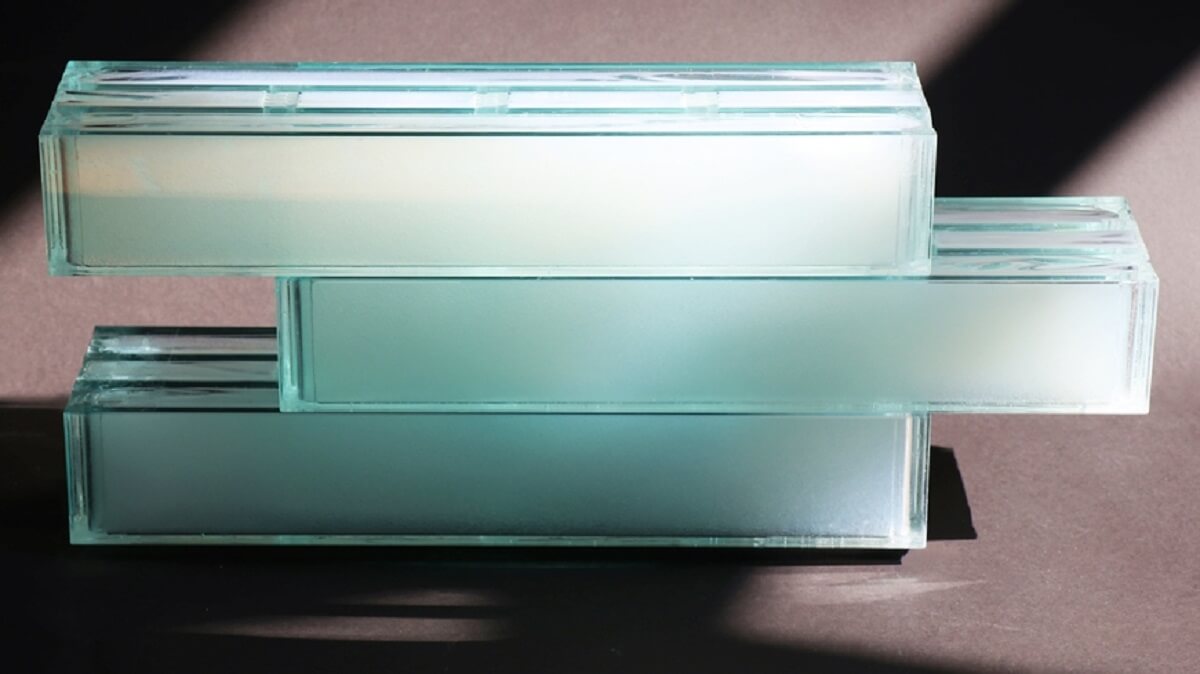
Aerogel glass bricks are thermally insulating and translucent, but still not transparant thus providing privacy. (credit: Empa)
DÜBENDORF, Switzerland — Scientists in Switzerland have created translucent bricks capable of allowing light to penetrate them while still functioning as a secure wall.
The Swiss research institute, EMPA, notes that glazed construction in architecture is beneficial for lighting buildings naturally. This approach optimizes the use of environmentally friendly daylight, reducing the reliance on artificial lighting. However, they highlight that until now, there haven’t been any materials resembling bricks that offer both load-bearing attributes and effective insulation.
Utilizing aerogel, the researchers have fashioned a translucent glass brick that possesses both key properties. Aerogels are manufactured by removing moisture from a gel while preserving its original structure, thus producing a material that provides superior insulation.
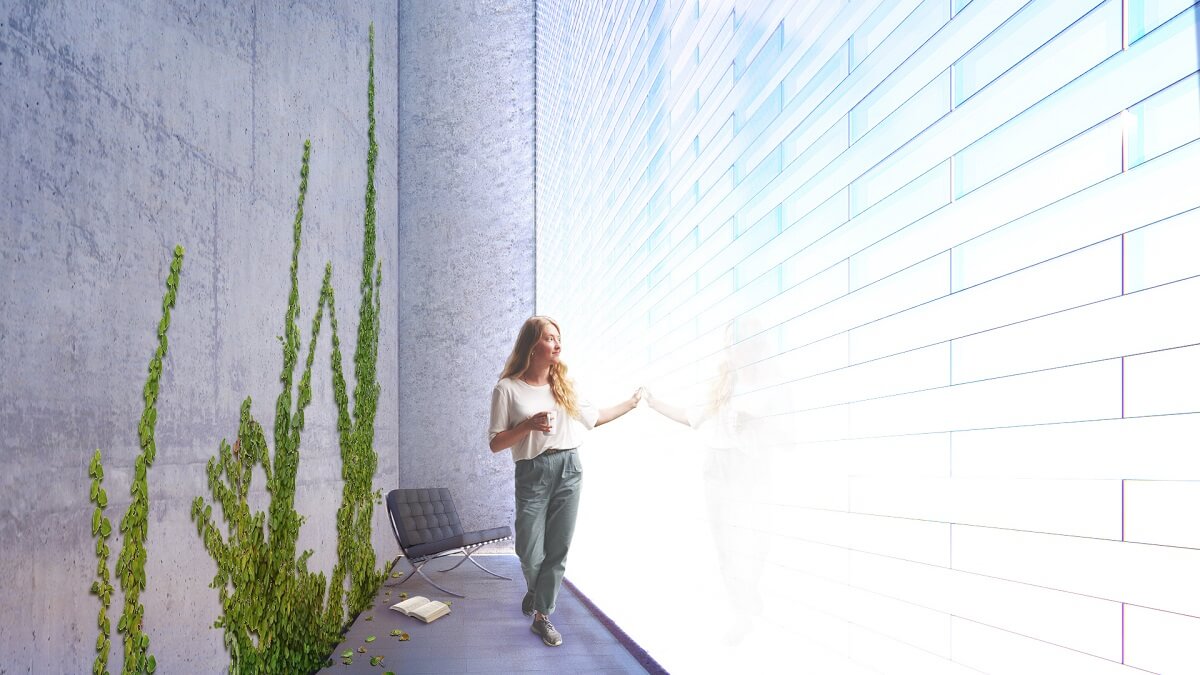
To fully exploit this benefit, these glass elements should ideally be used to construct entire walls, which demands that these elements provide good thermal insulation and bear certain loads — a combination previously unavailable in the market.
The team of researchers developed a unique modular component based on float glass and silica aerogel granules. These glass bricks, filled with semitransparent aerogel granules, allow for the construction of attractive, structurally sound façade elements that invite a significant amount of daylight in.
The team believes that due to its outstanding thermal insulation, the brick could reduce heating costs without requiring an additional insulation layer for the masonry.
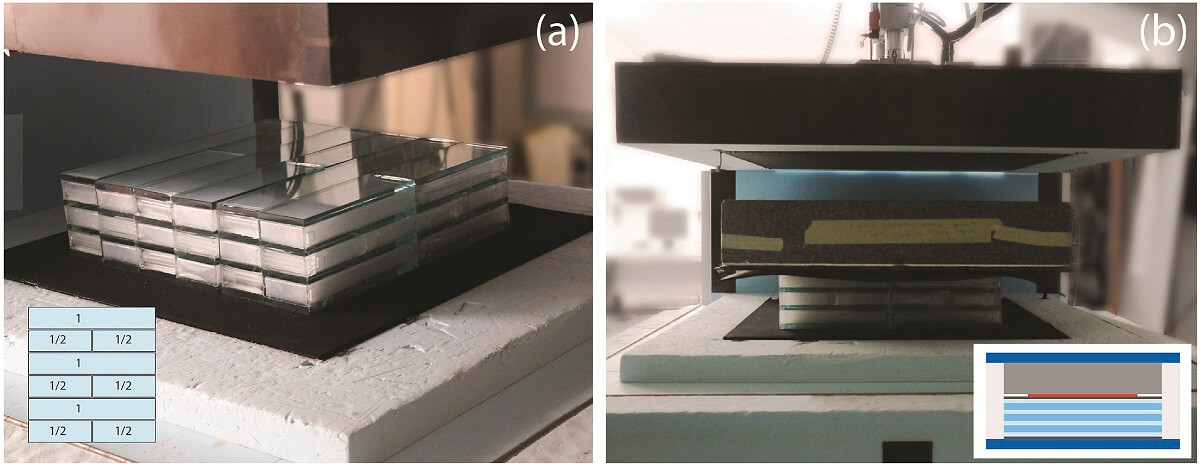
The researchers propose potential applications for these bricks in settings such as libraries, galleries, museums, offices, and residential buildings. They have submitted a patent application for their aerogel glass brick and are actively seeking potential industrial partners.
The bricks are described in the Journal of Building Engineering.
South West News Service writer Dean Murray contributed to this report.


