(Credit: © anaumenko - stock.adobe.com)
In A Nutshell
- Adults who closely followed the MIND diet showed brain aging equivalent to about 2.5 years slower than those who didn’t, based on MRI scans taken over 12 years.
- The diet’s biggest brain benefits were tied to berries and poultry, while sweets and fried food were linked to faster shrinkage of the brain’s memory center.
- Unexpectedly, whole grains were associated with faster decline in some brain measures, while cheese was linked to slower decline: findings researchers call exploratory and not yet fully explained.
- Benefits were most pronounced in adults 60 and older and in those who were also physically active, suggesting diet works best as part of a broader healthy lifestyle.
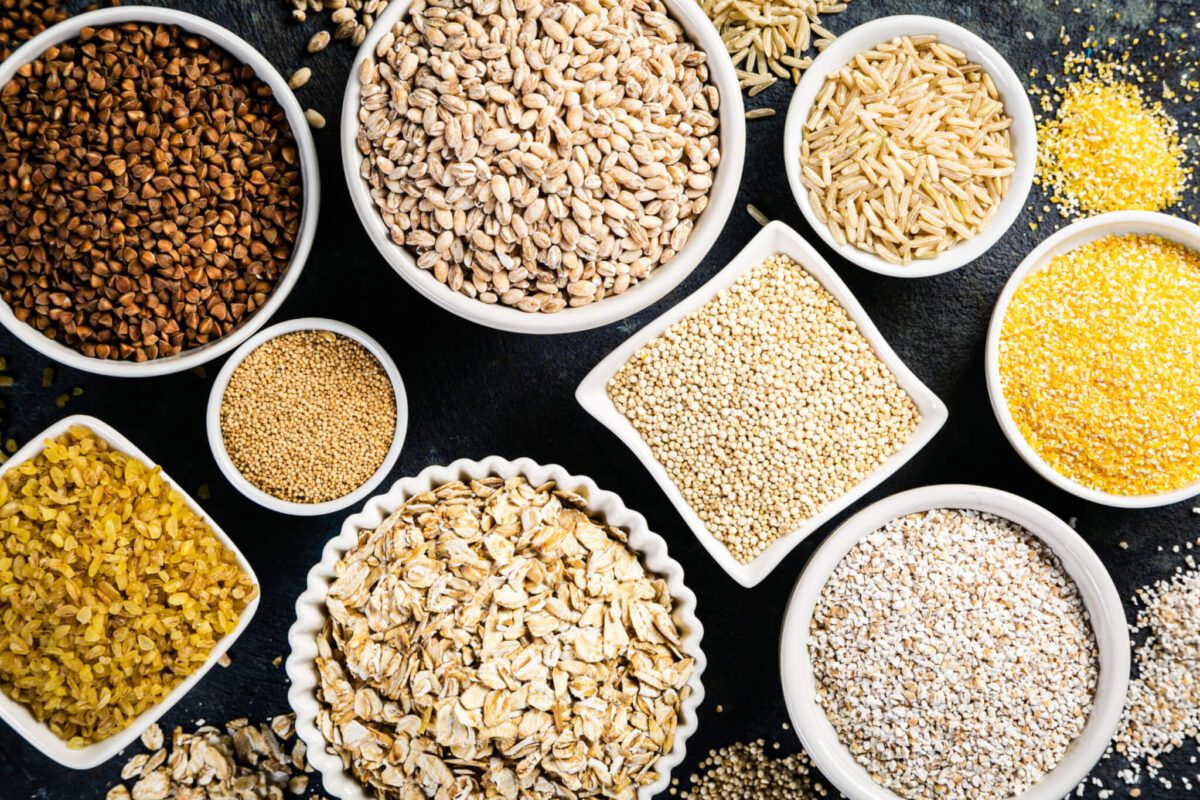
A decade-long study tracking the brains of more than 1,600 adults found that closely following the MIND diet is linked to significantly slower brain shrinkage, an effect researchers calculated as equivalent to roughly 2.5 years of slower brain aging. Buried in the results, though, is a finding that complicates the picture: whole grains, widely praised as a brain health staple, were associated with faster decline in some measures, while cheese, a food the MIND diet restricts, was associated with slower decline in those same measures.
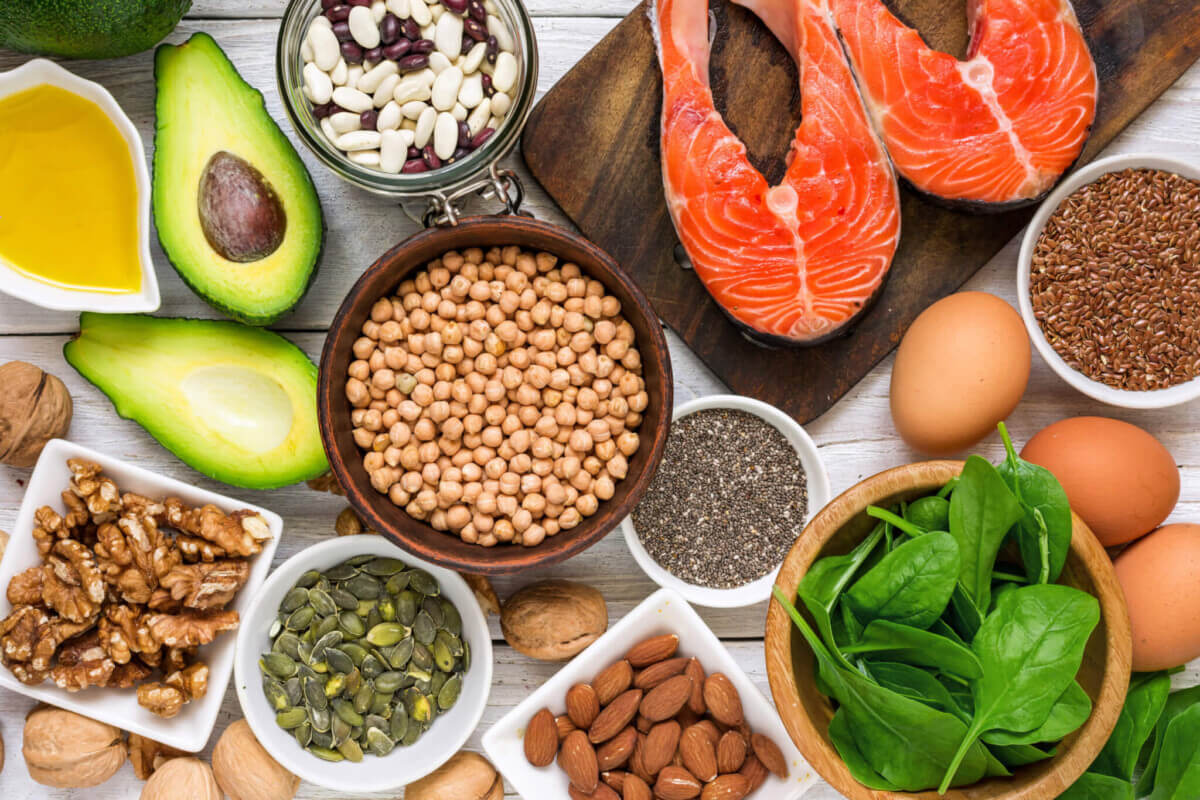
With effective drugs against Alzheimer’s and dementia largely out of reach, what ends up on the plate has become a serious research focus. The MIND diet, a hybrid of the Mediterranean and DASH eating plans, emphasizes leafy greens, berries, nuts, fish, poultry, beans, and olive oil, while steering people away from red meat, butter, pastries, sweets, and fried food. Prior research had linked it to better cognitive scores and lower Alzheimer’s risk, but whether it could physically slow structural deterioration of the aging brain over many years had not been well established. This new research, published in the Journal of Neurology, Neurosurgery & Psychiatry, used repeated MRI scans over more than a decade to find out.
How the MIND Diet Study Was Conducted
Researchers drew on data from the Framingham Heart Study Offspring cohort, a long-running project based in Framingham, Massachusetts. The broader cohort has an overall retention rate of about 99%, though this particular analysis drew on a filtered subset of 1,647 adults with an average age of about 61. Roughly 54% were female, and participants were primarily of Caucasian ancestry.
Starting in the early to mid-1990s, participants completed detailed food questionnaires at multiple checkpoints, logging how often they consumed roughly 140 different foods over the preceding year. Researchers used those responses to score each person’s MIND diet adherence on a scale of 0 to 15. Across the group, the median score was 6.8 out of 15. In practical terms, that’s someone who eats salads most days but still hits the drive-through more than they’d like to admit. Brain MRI scans were then conducted between 1999 and 2019, with each participant receiving a median of three scans over a median follow-up of 12.3 years. All participants were free of dementia and stroke at their first scan.
What the MIND Diet Did to the Aging Brain
Grey matter, the brain tissue packed with nerve cells and connections, naturally shrinks with age and underpins memory, learning, and decision-making. As surrounding brain tissue is lost, fluid-filled chambers called ventricles expand to fill the void. Both changes are established markers of brain aging and rising dementia risk.
People who scored higher on the MIND diet showed meaningfully slower grey matter loss. Each three-point improvement in diet score corresponded to a 20.1% reduction in the typical age-related shrinkage rate, a difference equivalent to roughly 2.5 years of slower brain aging over the study period. Higher scores also corresponded to slower ventricular expansion, equivalent to about one additional year of delayed brain aging.
Berries and poultry were the strongest contributors to these benefits. Both were linked to slower ventricular expansion, and poultry was additionally tied to slower grey matter loss. Sweets and fried food pulled in the opposite direction, with higher intake of each linked to faster shrinkage of the hippocampus, the memory hub that is among the first brain regions to deteriorate in Alzheimer’s disease. Benefits were strongest in adults 60 and older, and the data suggest the brain-protective associations were more pronounced in people who were also physically active. Not a magic fix. But for a lifestyle change that costs nothing, it’s worth noting.
The Whole Grain and Cheese Puzzle
Whole grains were associated in this study with somewhat faster declines in grey matter and hippocampal volume, along with greater ventricular expansion. At the same time, cheese was associated with slower decline in those same measures and less white matter lesion growth. These findings come from analyses of individual diet components, which are more exploratory and less definitive than the overall diet pattern results. Researchers flagged both as unexpected, and the paper treats them as hypothesis-generating rather than firm conclusions.
Dietary studies of this kind cannot establish that any single food caused the observed changes, and it is plausible these associations reflect other habits or characteristics of the people who happened to eat more whole grains or cheese. Still, the patterns are notable enough to warrant further investigation.
A dietary pattern that can measurably slow the physical deterioration of the aging brain, without a prescription or clinical procedure, is worth paying attention to. Exactly which foods deserve the most credit, and which familiar ones might play a more complex role than expected, is a question this study has made considerably more interesting to answer.
Disclaimer: This article is based on an observational study and does not establish cause and effect. Findings regarding individual foods such as whole grains and cheese come from exploratory secondary analyses and should not be interpreted as dietary recommendations. Consult a qualified healthcare provider before making changes to your diet.
Paper Notes
Limitations
Dietary intake was assessed using food frequency questionnaires, which rely on self-reported recollection and carry the possibility of recall bias and measurement error. Researchers were unable to account for APOE genotype, a well-known genetic risk factor for Alzheimer’s disease. The possibility of mild cognitive decline at the time of dietary assessment, which may have influenced how participants reported their eating habits, could not be ruled out, and dietary changes occurring after the study’s baseline were not captured. Because participants were primarily middle-aged and older adults of Caucasian ancestry from the Framingham area, the findings may not apply to more diverse populations.
Funding and Disclosures
The study was supported by the Alzheimer’s Association (grant AARG-22-928604), the Zhejiang University Global Partnership Fund, and the Fundamental Research Funds for the Central Universities. The Framingham Heart Study received funding from the National Institute on Aging, the National Institute on Neurological Disorders and Stroke, and the National Institutes of Health. Funders had no role in study design, data collection, analysis, interpretation, or the decision to publish. Authors declared no competing interests.
Publication Details
Title: “Adherence to the MIND diet and longitudinal brain structural changes over a decade: evidence from the Framingham Heart Study offspring cohort.” Authors: Hui Chen, Gulisiya Hailili, Lu-sha Tong, Leqi Fei, Yaying Cao, Xin Xu, Xue Li, Debora Melo van Lent, and Changzheng Yuan, representing Zhejiang University School of Medicine, Harvard T.H. Chan School of Public Health, UT Health San Antonio, Boston University, the University of Edinburgh, and the Framingham Heart Study. Published in the Journal of Neurology, Neurosurgery & Psychiatry. DOI: 10.1136/jnnp-2025-336957


