
(© twinsterphoto - stock.adobe.com)
Heart disease is the number one cause of death in the United States. In the last few decades, though, with advances in the prevention and management of coronary artery disease, the occurrence of heart attacks in older adults has been declining.
Alarmingly, the occurrence of heart attacks and other forms of heart disease among younger adults (ages 20 to 50) is increasing. The increase in cardiovascular problems in this group, in 2020 and 2021, was so great that it contributed to declines in life expectancy.
So, what’s causing this disturbing trend? There’s evidence that these heart conditions are the consequences of poor food choices and lack of exercise. Here’s what to know about the signs of heart disease, what to look for, and what to do to avoid the largely preventable fallout resulting from unhealthy habits:
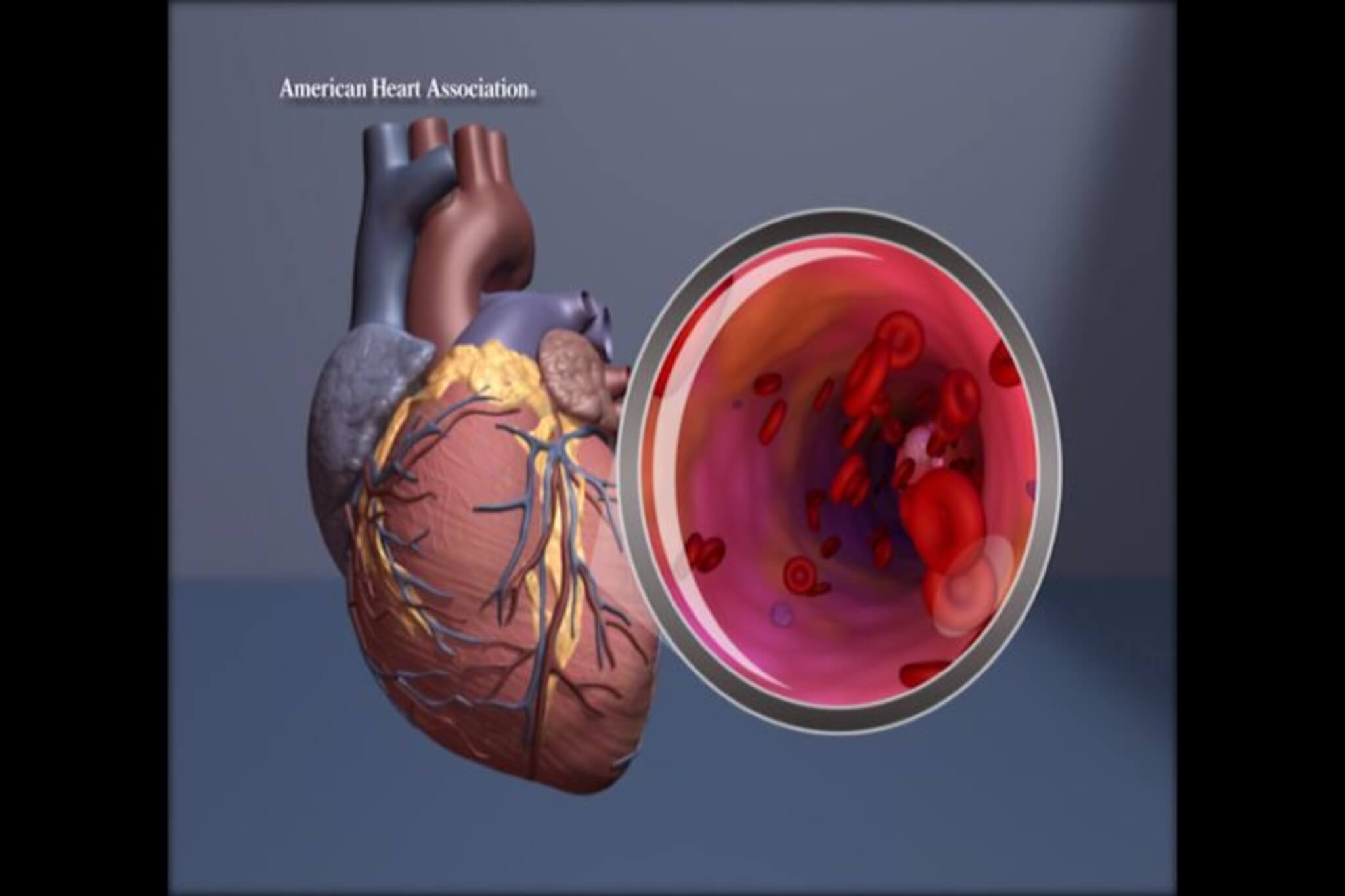
Heart attacks (myocardial infarctions) occur when the heart muscle is deprived of oxygen. Usually, the cause is partial or complete blockage of blood supply to some part of the heart. Symptoms in younger adults are the same as those in older adults, including chest pain or discomfort, which may radiate into the arms, jaw, neck, or back, shortness of breath, and weakness or feeling faint.
Other forms of heart disease include cardiomyopathy (thickened heart muscle), irregular, abnormal heart rhythms, and heart failure.
Research published in the American Journal of Medicine in 2019 assessed more than 2,000 young adults hospitalized for heart attacks from 2000 through 2016. The study found that 20 percent (1 in 5 people) occurred in patients 40 years-old or younger. These patients had the same risk as older adults to die from another heart attack, stroke, or other condition.
The increasing prevalence of heart disease is greater in young women than in young men. The women are more often Black, and have a history of diabetes, chronic kidney disease, high blood pressure, or a previous stroke.
Research shows that healthcare providers are prone to not taking the signs of heart disease in women as seriously as in men. They often pay less attention to managing risk factors, especially by prescribing fewer risk-reducing medications, according to a 2019 study in the journal Circulation.
The biggest risk factors for young adults
People are developing risk factors for heart disease earlier in life. Most younger adults who developed heart problems were thought to be in generally good health before their heart attacks. They were found, however, to have at least one condition which had put them at risk for a cardiac event. The greatest risk factors are:
There may be some genetic influences contributing to these conditions. Most, however, are the consequences of harmful lifestyle habits, which often start during childhood, says Eugene Yang, chair of the American College of Cardiology Prevention of Cardiovascular Diseases Council. Tobacco, cocaine, marijuana, and alcohol use also increase the risk of heart attacks in younger adults.
COVID-19 has its own way of contributing to heart disease. It triggers the body’s inflammatory response, making blood thicker and stickier. Blood clots can form, clogging arteries and causing heart attacks. In 2022, The Journal of Medical Virology reported that heart attack deaths rose 14 percent during the first year of the pandemic. The greatest increase occurred in patients between the ages of 25 and 44. Why there was such a change in this age group is still unknown.
Research shows that about half of people under age 45 don’t think they could be at risk for heart disease. It can be a tough job to convince younger adults about heart disease and risk factors when they’re still focused on building careers and establishing families.
Life’s Essential 8 can save young adults
The three “P”s for reducing heart disease in younger adults are prevention, prevention, and prevention. The American Heart Association recommends following eight lifestyle habits they call “Life’s Essential 8”:
- Healthy diet
- No tobacco
- Regular exercise
- Sufficient sleep
- Weight management
- Watch cholesterol levels
- Monitor blood pressure
- Follow blood sugar levels
So, young readers, make having a primary healthcare provider one of the features of the map you’re creating to navigate life. Check in with that provider at least once a year, or as recommended for you individually. A family medicine provider can care for everyone in the family.


Clearly they’re trying to get out in front of this inevitable story, “no, no, no….look over here, it’s because our kids are fat!” Like that hasn’t been the case for the last 20+ years. This is so transparent to anyone with half a brain.
Something seems obvious by omission in the possible causes. No mentions of the MRNA gene-therapy injections that millions of young adults took? Come on man.
Amazing how the medical industry and its journalists leave out critical data that has been collected when putting their spin on outcomes—heart problems—especially in younger individuals.
Amazing are the doctors and scientists who will not be silent and the people who will not be silenced. We need to be a Tsunami type force to create a ground swell of public pressure on this corrupt, non-transparent industry.
The collapse of the medical industry will make the sinking of the Titantic look like a toy boat in a child’s bathtub. The fall will be great and overwhelming. A lot of surgeons are like engineers, and can admit that the industry doesn’t always get it right. Getting it wrong though, is different then suppressing studies, censoring legitimate medical journal articles, and circling the wagons around the corrupt pharma industry. What is the Greek word for pharma anyway? Anybody know?
Agree… we all know it is the shots… and there are numerous studies showing the link between the shots and myocarditis. Nothing like ignoring the obvious.
Yep. Con-vid Vax does that to you.
It’s called biological warfare- so-called mandatory Covid shots ordered by the government????????
None dare mention VAXXXXXX. The Pfizer demon smiles.
Not that hard to figure out.
Its the Shots Stupid !
You know they won’t check the correlation there. Now jump in line and get your boosters!
“Research published in the American Journal of Medicine in 2019 assessed more than 2,000 young adults hospitalized for heart attacks from 2000 through 2016…The increasing prevalence of heart disease is greater in young women than in young men. The women are more often Black, and have a history of diabetes, chronic kidney disease, high blood pressure, or a previous stroke.”
The study predates COVID; has to be something else going on.
Increases in heart attacks, during covid, after the release of a drug that was known to cause cardiac issues. Sure let’s only look at half of the equation because rather than looking at the whole thing because people are so polarized now that they can’t use critical thinking.
Are they even considering it may have something to do with the COVID vaccine?
Seems they would in the very least mention that?
Hmmm….. guess we need a new booster for that?
COVID VACCINE
The vax did this.
the best thing about being a conspiracy theorist: no myocarditis
It’s the covid vaccine.
Maybe the covid vaccine has something to do with it.
Such propaganda! Society knows that poison pharmaceutical covid jabs are the cause of deaths in the young. You’re a fool if you believe these allopathic deviants.
No mention of the non vaccine vaccine for Covid?? Wow! Yellow Journalism much? Gaslighting much?
“…assessed more than 2,000 young adults hospitalized for heart attacks from 2000 through 2016.”
Y’all don’t read good, do you?
“COVID-19 has its own way of contributing to heart disease.”
That’s pretty close. Duh! It’s the shots!
“…assessed more than 2,000 young adults hospitalized for heart attacks from 2000 through 2016.”
Y’all don’t read good, do you?
“In 2022, The Journal of Medical Virology reported that heart attack deaths rose 14 percent during the first year of the pandemic. The greatest increase occurred in patients between the ages of 25 and 44. Why there was such a change in this age group is still unknown.”
Why would heart attacks spike in young men right when the vaccine came out? We should investigate more, especially considering the ACE receptor sites that covid 19 and the vaccine target are found on the heart among other places.
Well, JeffJeff, the problem with this article is that it’s trying to lead people to believe that the vaccine is not the cause of all the recent heart attacks in young people. We know that WAY more than 2000 young people have died of heart attacks (and other unusual medical issues for young people) since they started the mRNA shots. A large number of these are in vibrant healthy young athletes in great physical condition. The purpose of this article is to try to point people in a different direction than the shot for the staggering amount of recent, devastating deaths in young healthy people.