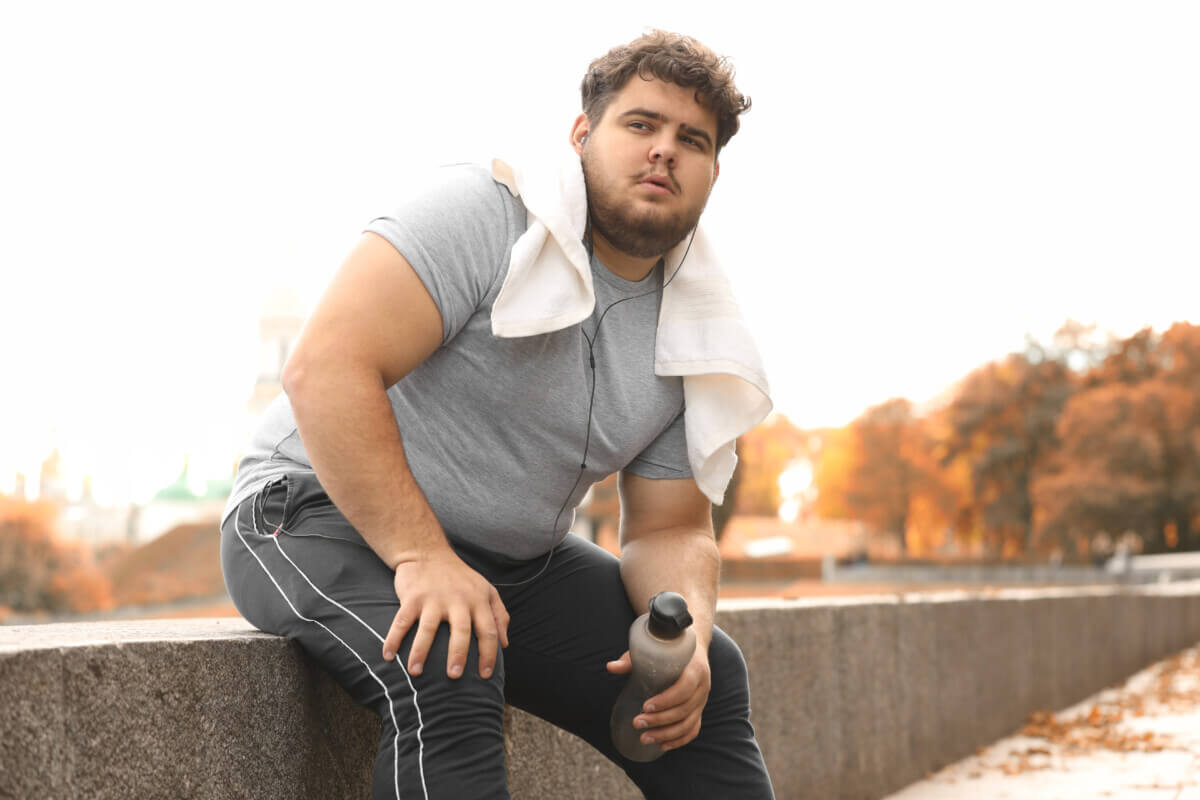
(© New Africa - stock.adobe.com)
Just Exercise Won’t Cause Meaningful Weight Loss, But the American Heart Association Says It’s Still Essential
In A Nutshell
- A new American Heart Association statement concludes that exercise alone is unlikely to produce meaningful weight loss for most people with obesity.
- Despite that, physical activity delivers proven heart-health benefits regardless of weight loss, including lower blood pressure, better cholesterol, and improved blood sugar control.
- Exercise works best for weight loss when combined with calorie reduction, weight-loss medications, or bariatric surgery.
- Maintaining at least 150 to 300 minutes of activity per week after losing weight is key to keeping it off long term.
Millions of Americans have started a gym routine hoping to shed serious weight, only to find the scale barely moves. Now, science explains why that happens so often, and why that gym routine still matters more than most people realize.
A new scientific statement from the American Heart Association makes something clear: exercise by itself is unlikely to produce meaningful weight loss for most people with obesity. But that doesn’t mean it isn’t working. Physical activity may be one of the most powerful tools available for protecting the heart and improving overall health, regardless of whether the scale budges.
Obesity now affects 42% of adults in the United States and is closely tied to high blood pressure, poor cholesterol, and the body’s reduced ability to manage blood sugar. Published in the journal Circulation, the statement pulls together decades of research to spell out what exercise can and cannot do for people managing their weight and reducing heart disease risk.
Exercise Is Unlikely to Cause Meaningful Weight Loss on Its Own
Working out without also cutting calories just doesn’t move the needle much. Across studies involving thousands of adults with obesity, average weight loss from exercise programs falls in the range of roughly two to four pounds, far short of what doctors consider meaningful. Fewer than 15% of people hit the benchmark of losing at least 5% of their body weight through exercise alone.
To hit that threshold through aerobic exercise, a person would likely need to work out between 225 and 420 minutes per week. Even then, results vary widely. Some people lose weight; others don’t lose any at all. Reassuringly, the scale is not the whole story.
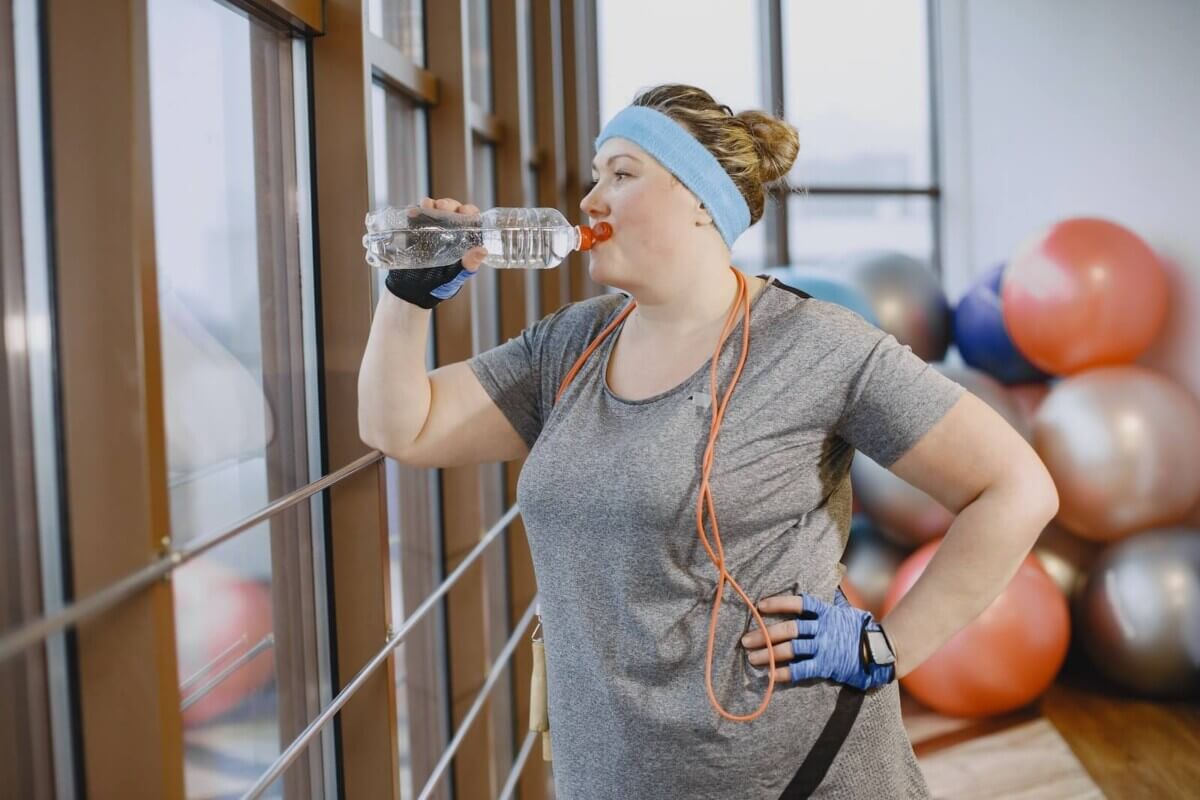
Even Without Weight Loss, Exercise Delivers Real Heart-Health Benefits
One large analysis of 54 clinical trials found that exercise training lowered resting blood pressure by about 3 points on top and roughly 2 points on the bottom, with even larger drops in people who already had high blood pressure. For the roughly one in three American adults with prediabetes or type 2 diabetes, the gains go further: aerobic exercise, strength training, or a combination of both can improve how the body responds to insulin, with the combined approach producing the strongest effects.
Aerobic exercise also consistently raises HDL, often called “good” cholesterol, and lowers triglycerides, a type of fat in the blood linked to heart disease.
Perhaps most telling, the statement draws attention to a factor that rarely makes headlines: how well the heart and lungs can work is a powerful predictor of cardiovascular death, largely independent of body weight. Moving from a low fitness level to a moderate one is linked to a dramatic drop in heart-related mortality risk. For doctors, helping a patient make that jump may matter more than any number on the scale.
Combining Exercise With Other Treatments Produces the Strongest Results
Exercise produces its best weight-loss results when paired with other strategies. Combining physical activity with calorie reduction yields roughly three to four additional pounds of weight loss compared with dieting alone, and the heart-health gains are amplified because greater weight loss tends to produce greater improvement in cardiovascular risk factors.
New weight-loss medications, particularly a class of drugs that mimic hormones regulating appetite, have transformed obesity treatment in recent years. In one study comparing people taking one of these medications alone against those who added a structured exercise program, the group that exercised lost significantly more weight and fat and meaningfully improved their cardiovascular fitness. People on the medication alone showed no significant fitness change. The statement calls for more rigorous research before specific exercise guidelines can be set for people on these newer drugs.
For people who have had weight-loss surgery, adding exercise leads to greater weight loss, more fat loss, and fitness gains compared with not exercising.
Weight regain is one of the most frustrating realities of obesity treatment. Long-term and retrospective data generally show that people who maintain higher physical activity levels are more likely to keep weight off, though prospective trials have been more mixed. One analysis found that people getting 300 or more minutes of activity per week maintained roughly 11% of their initial body weight loss, while those getting fewer than 150 minutes maintained only about 3%.
Doctors also worry about muscle loss during weight reduction. Lean mass helps support resting metabolism, so losing too much may lower daily energy needs and make weight regain harder to avoid. Strength training with adequate protein intake may help protect muscle during weight loss.
A substantial section of the statement addresses a practical question: how do doctors actually get patients moving? It outlines the 5A model, covering Assess, Advise, Agree, Assist, and Arrange, giving clinicians a structured way to talk about physical activity without overwhelming people. Smartphone apps and fitness trackers can extend that support beyond clinic visits. Encouraging “some is better than none” may prove more effective for sedentary patients than pushing ambitious targets they’re unlikely to meet.
For anyone living with obesity, the message is blunt: stop waiting until the weight is gone to start exercising. The heart needs it now.
Disclaimer: This article is based on a published scientific statement and is intended for general informational purposes only. It is not a substitute for professional medical advice, diagnosis, or treatment.
Paper Notes
Limitations
Authors of this scientific statement acknowledge several important limitations in the existing research. Evidence on physical activity combined with newer weight-loss medications, particularly GLP-1 receptor agonists, is limited, and rigorous clinical trials examining specific exercise doses and health outcomes in people taking these medications are still needed. Studies of physical activity before and after weight-loss surgery are generally small, heterogeneous, and often lack appropriate control groups. Research on weight-loss maintenance relies heavily on retrospective and observational data rather than prospective clinical trials. Evidence in certain subgroups, including older adults, individuals with low muscle mass, and populations defined by race and ethnicity, remains insufficient to support population-specific physical activity recommendations. Adherence to prescribed exercise levels in trials is frequently lower than intended, which can obscure true dose-response relationships.
Funding and Disclosures
Funding and disclosure details are listed in the published statement. Most writing group members report no relevant relationships, while some report research funding or other relationships, including AHA/NIA funding, NIH grants, and relationships involving Amgen, Corrie Health, or Apple.
Publication Details
Title: Role of Physical Activity in Obesity Treatment and Cardiometabolic Health: A Scientific Statement From the American Heart Association | Authors: Damon L. Swift, PhD, FAHA (Chair); Leanna M. Ross, PhD, FAHA (Vice Chair); Deepika R. Laddu, PhD, FAHA; Molly B. Conroy, MD, MPH, FAHA; Charles A. German, MD, MS, FAHA; Lorraine S. Evangelista, PhD, RN, FAHA; Francoise A. Marvel, MD; Gerald J. Jerome, PhD, FAHA; on behalf of the American Heart Association Council on Lifestyle and Cardiometabolic Health; Council on Cardiovascular and Stroke Nursing; Council on Clinical Cardiology; Council on Hypertension; and Stroke Council | Journal: Circulation | DOI: 10.1161/CIR.0000000000001441 | Publication Year: 2026


