
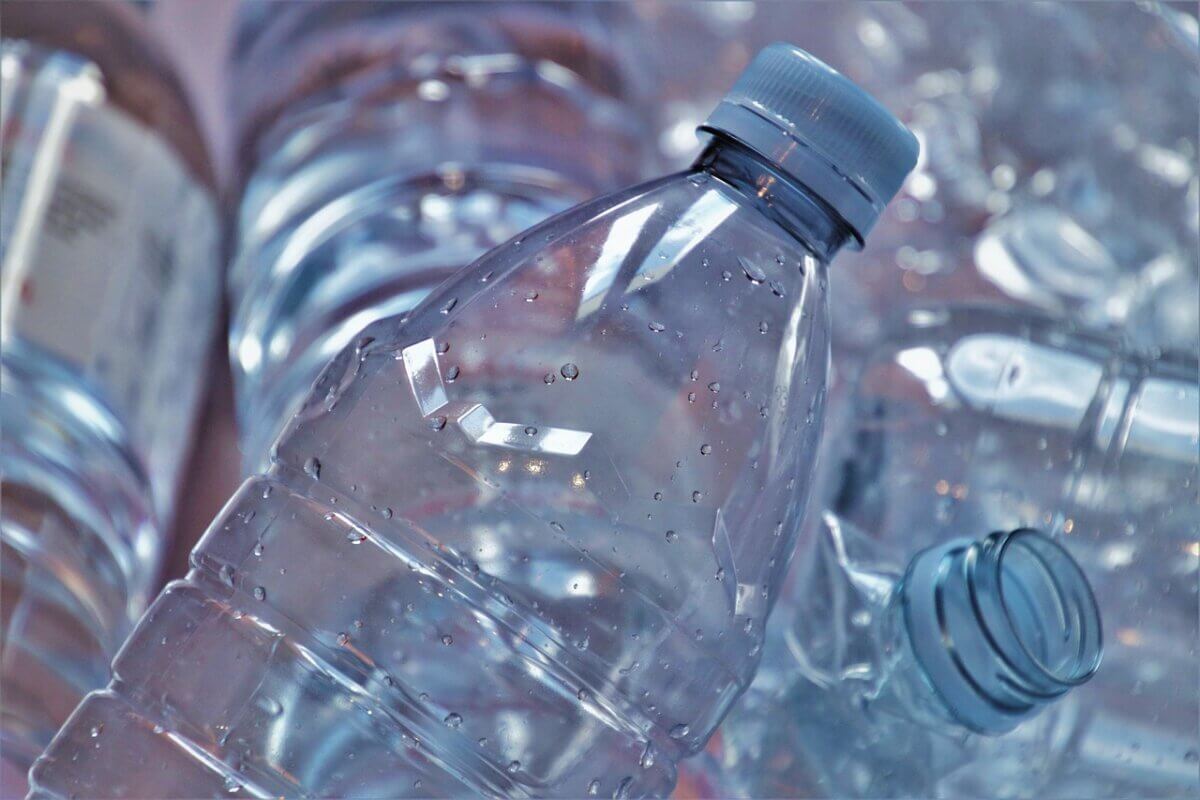
Scientists have discovered a way to turn plastic waste into acetaminophen. (luchschenF/Shutterstock)
In a nutshell
- Scientists engineered E. coli bacteria to perform a chemical reaction that transforms plastic-derived compounds into acetaminophen, the active ingredient in Tylenol.
- The process uses waste from PET plastic bottles and achieves a conversion efficiency of up to 92%, offering a potential sustainable alternative to fossil fuel–based drug manufacturing.
- This breakthrough merges synthetic chemistry with living systems, opening the door to new ways of recycling plastic into valuable pharmaceuticals and industrial chemicals.
EDINBURGH, Scotland — Every year, 24 million tons of plastic bottles are thrown away worldwide. But what if those discarded water bottles could save lives instead of choking our planet? Scientists have figured out how to turn plastic waste into the painkiller acetaminophen using specially engineered bacteria.
In a new study published in Nature Chemistry, researchers at the University of Edinburgh successfully engineered a process that converts polyethylene terephthalate (PET) plastic, the material used in most disposable water bottles, into acetaminophen through what they call “biocompatible chemistry.”
PET production worldwide reaches 56 million tons annually, with roughly 80% designed for single use. That translates to about 24 million tons of PET waste each year that typically ends up incinerated or buried in landfills. Now, that same waste could potentially become a source for manufacturing acetaminophen, the active ingredient in Tylenol.
How It Works
This discovery centers on something called the Lossen rearrangement, a chemical reaction discovered in 1872 by German chemist Wilhelm Lossen. This reaction typically happens in chemistry labs under controlled conditions, but the Edinburgh team figured out how to make it work inside living E. coli bacteria, something that had never been achieved before.
The Lossen rearrangement takes one type of chemical compound and shuffles its atoms around to create something completely different. In this case, it transforms a compound derived from plastic into para-aminobenzoic acid (PABA), a substance that bacteria need to survive and that serves as a building block for acetaminophen production.
The reaction doesn’t require harsh chemicals and is powered by phosphate, a simple compound that’s naturally present in all living cells. The research team discovered this while testing whether certain chemical reactions could work alongside cellular processes. They designed an experiment where they created bacteria that couldn’t survive without PABA, then tested whether their chemical reaction could produce enough PABA to keep the bacteria alive and growing.
From Trash to Treatment
The process starts with breaking down PET plastic bottles into terephthalic acid, one of the basic building blocks of the plastic. Scientists then chemically modify this compound to create a special substrate that the bacteria can work with. When this substrate is introduced to the engineered E. coli bacteria, the rearrangement reaction kicks in, converting it to PABA.
The researchers engineered their bacteria to produce two additional enzymes: one originally from a fungus found on mushrooms, and another from a soil bacterium. These enzymes work together in a two-step process to convert PABA into acetaminophen, mimicking what happens in pharmaceutical manufacturing facilities.
In their most successful experiments, the team achieved a 92% conversion rate from the plastic-derived starting material to acetaminophen. The concept not only works, but it’s approaching the efficiency levels that would be needed for actual manufacturing.
The researchers tested their system with an actual discarded plastic bottle. They broke it down to extract terephthalic acid and then put it through their biological conversion process. The bacteria survived on the plastic-derived nutrients and grew just as well as bacteria fed traditional food sources.
The team showed that their biological chemistry platform could also produce other valuable compounds, including industrial chemicals that are traditionally made from fossil fuels.
The approach also expands the limited set of chemical reactions that living organisms can naturally perform. Nature has evolved sophisticated biochemical pathways over millions of years, and synthetic chemistry has developed reactions that don’t exist in biology. This research connects the two, allowing scientists to harness the power of both.
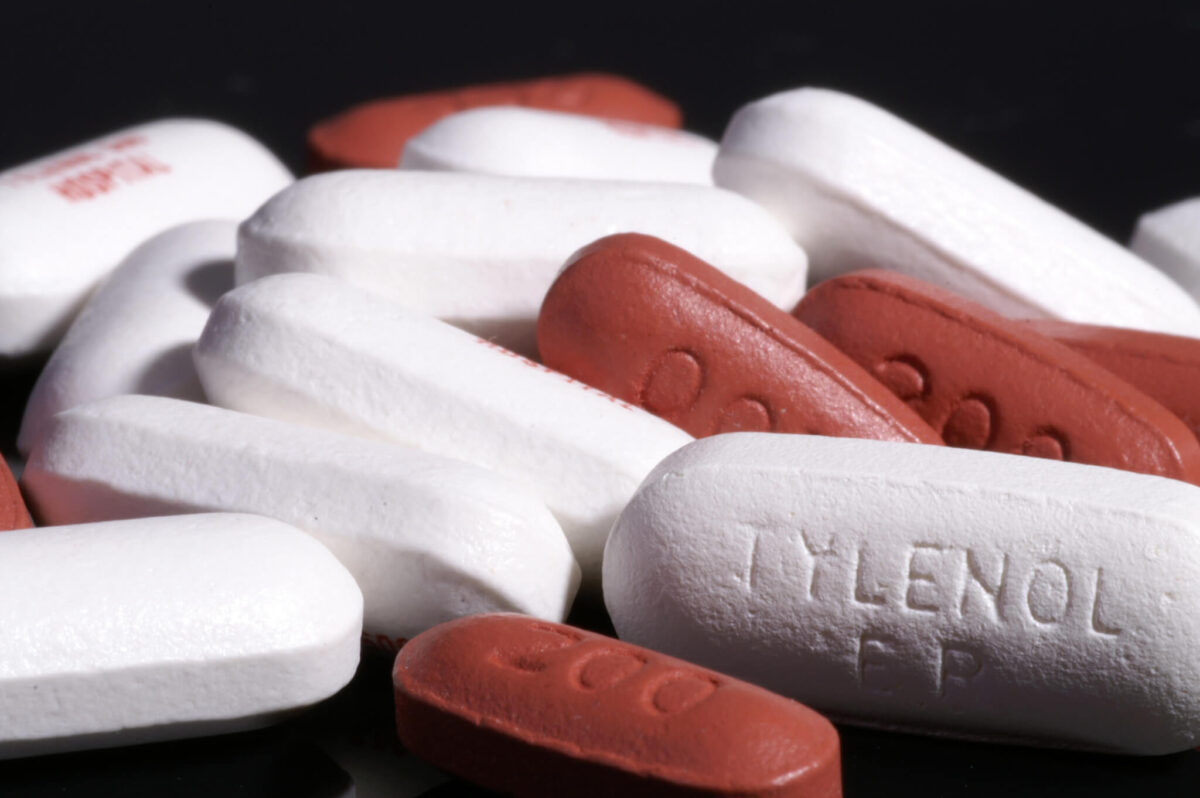
Acetaminophen is currently manufactured from phenol, which comes from fossil fuels through an energy-intensive industrial process. Traditional manufacturing involves multiple chemical steps that require high temperatures and harsh conditions, all of which could potentially be replaced by this gentler biological approach.
However, this technology is not ready to be taken to the masses just yet. The current process requires relatively pure starting materials and carefully controlled laboratory conditions. Scaling up to handle the vast quantities of mixed plastic waste found in real recycling streams will require additional research.
The researchers envision integrated systems that could simultaneously break down plastic waste and produce valuable chemicals, creating economic incentives for plastic collection and processing.
Environmental and Economic Impact
The World Health Organization lists acetaminophen as an essential medicine, making it a particularly valuable target for sustainable production methods. With proper scaling and engineering improvements, facilities using this technology could theoretically process substantial amounts of plastic waste while producing pharmaceuticals at costs competitive with traditional manufacturing.
Plastic pollution has become one of the most visible environmental crises of our time, with tiny plastic particles found everywhere from mountain peaks to ocean depths. By converting plastic waste into essential medicines, this approach could reduce both the environmental burden of plastic disposal and the carbon footprint of drug manufacturing.
Paper Summary
Methodology
The researchers used a technique called auxotroph rescue to test whether a chemical reaction called the Lossen rearrangement could work inside living E. coli bacteria. They created bacteria that couldn’t survive without para-aminobenzoic acid (PABA), then tested whether substrates derived from PET plastic could be converted to PABA through the Lossen rearrangement, thus allowing the bacteria to survive and grow. They synthesized test substrates from both pure chemicals and actual plastic bottles, then monitored bacterial growth and used various analytical techniques to confirm product formation. For acetaminophen production, they engineered bacteria to express additional enzymes and tested conversion efficiency using nuclear magnetic resonance and high-performance liquid chromatography.
Results
The team successfully demonstrated that the Lossen rearrangement occurs naturally inside E. coli bacteria, catalyzed by phosphate present in the growth medium. Bacteria fed plastic-derived substrates grew as well as those fed traditional nutrients, with growth rates and final cell densities comparable to positive controls. The conversion of plastic-derived substrates to PABA was quantitative, and subsequent conversion to acetaminophen reached 92% efficiency in optimized conditions. The researchers also showed successful biotransformation of other industrial chemicals, demonstrating the broader applicability of their biocompatible chemistry platform.
Limitations
The study was conducted entirely in laboratory conditions using pure or semi-pure starting materials. Scaling to industrial levels and handling mixed plastic waste streams would require significant additional engineering. The current process requires controlled bacterial cultures and specific growth conditions that may not be economically viable at large scale. The researchers also note that life cycle assessment studies are needed to confirm the environmental benefits compared to traditional manufacturing processes.
Funding and Disclosures
The research was supported by an iCASE studentship from AstraZeneca and EPSRC, a Future Leaders Fellowship from UKRI, and a Sustainable Manufacturing grant from EPSRC. One co-author, Keith Mulholland, is an employee of AstraZeneca and may own stock options. The funders had no role in study design, data collection, analysis, or manuscript preparation.
Publication Information
This study, “A biocompatible Lossen rearrangement in Escherichia coli,” was published in Nature Chemistry by Nick W. Johnson, Marcos Valenzuela-Ortega, Thomas W. Thorpe, Yuta Era, Annemette Kjeldsen, Keith Mulholland, and Stephen Wallace from the University of Edinburgh and AstraZeneca. The paper was published on June 23, 2025.


