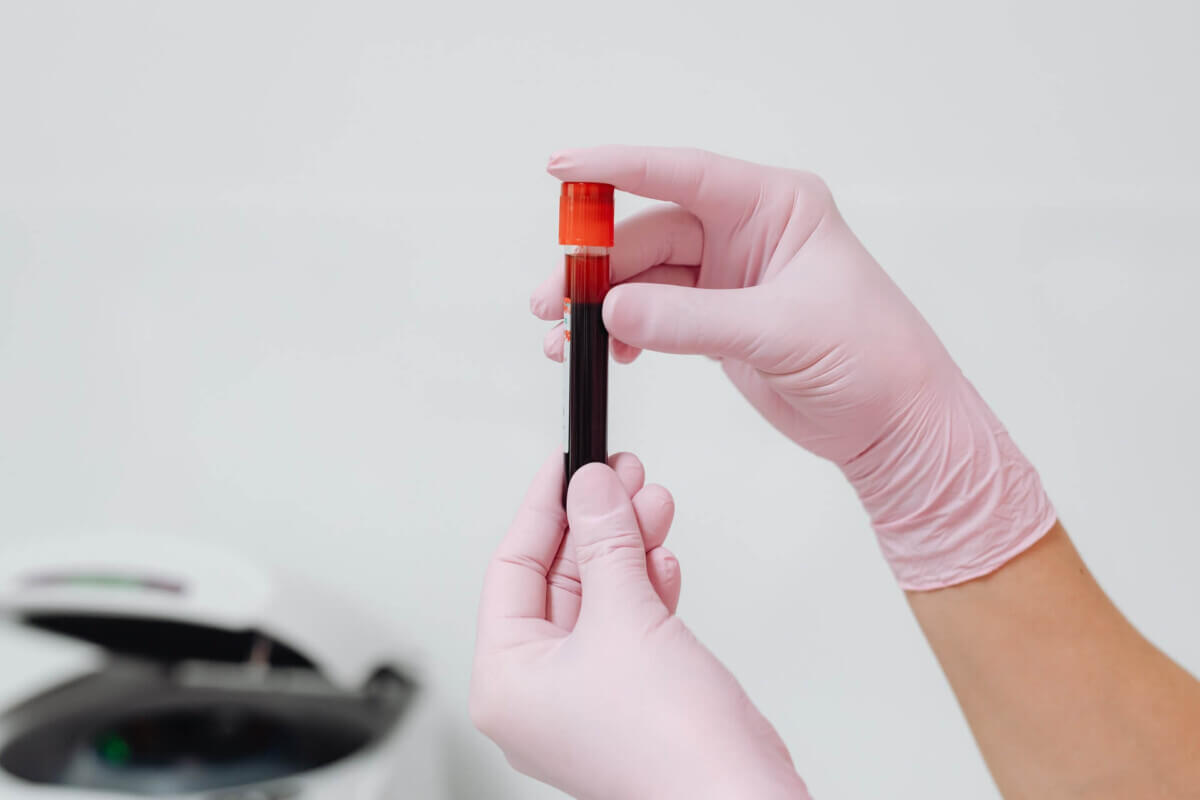
(Photo by Karolina Grabowska from Pexels)
Your blood can tell you a lot about the health of your heart. You’re probably familiar with cholesterol testing and high “bad” cholesterol’s association with the buildup of plaque in the arteries. Arteries carry oxygenated blood to every part of the body, including heart muscle. High cholesterol is also associated with heart failure.
A number of blood tests yield information about your heart health. No single blood test gives a complete picture, but considering the results of diverse types of blood tests can increase their predictive value for determining your risk of heart disease.
Blood tests, however, are not the most useful predictors of your risk of heart disease. The factors most predictive of heart disease are:
- Smoking
- High blood pressure
- High cholesterol
- Diabetes
Let’s examine how cholesterol and several lesser-known blood tests are valuable in assessing one’s risk for heart disease.
Cholesterol
A cholesterol blood test is also called a lipid profile or lipid panel. It measures triglycerides as well. Both cholesterol and triglycerides are fats in the blood. The results are analyzed to predict your risk of heart disease or of having a heart attack.
- Total cholesterol is the amount of the blood’s cholesterol content. An elevated level can increase your risk for heart disease. The desirable level is less than 200 milligrams per deciliter (mg/dL.)
- High-density lipoprotein (HDL) cholesterol is sometimes referred to as the “good” cholesterol because it carries LDL cholesterol away from the heart. It, therefore, lessens plaque formation and eases blood flow. Men should try to keep their HDL cholesterol greater than 40 mg/dL. Women should aim for greater than 50 mg/dL. For both – the higher the better.
- Low-density lipoprotein (LDL) cholesterol is often referred to as the “bad” cholesterol. An excessively elevated level of LDL cholesterol increases your risk for heart disease by forming plaques in the blood vessels in the heart. The plaques can build up inside the blood vessels, block blood flow, and cause disease. The two most grave conditions are heart failure and heart attacks. Your LDL cholesterol should be less than 130 mg/dL, but the lower, the better. People with a history of heart disease, heart attack, or any heart condition should aim for less than 70 mg/dL.
- Very low-density lipoprotein (VLDL) cholesterol is primarily responsible for transporting triglycerides to various tissues in your body. These particles are rich in triglycerides but also contain cholesterol, fatty acids, and proteins. They can contribute to the buildup of plaque in arteries and con be converted into LDL cholesterol. A desirable level is less than 30 mg/dL.
- Non-HDL cholesterol (non-HDL-C) is the total cholesterol minus HDL cholesterol. It is a calculation rather than a type of lipid. It may reflect plaque buildup in the coronary (heart) arteries. A desirable level is less than 130 mg/dL.
- Triglycerides are another type of fat in the blood. Higher levels can increase the risk of heart disease. The level should be less than 150 mg/dL.
High-sensitivity C-reactive protein
The liver makes C-reactive protein (CRP) in response to injury or infection. It’s part of the inflammatory response, which has a critical role in the buildup of plaque in the arteries (atherosclerosis).
High-sensitivity CRP (hs-CRP) helps show the risk of heart disease before there are symptoms. A higher hs-CRP is linked to a higher risk of heart disease, heart attack, and stroke. An hs-CRP level above 2.0 milligrams per liter (mg/L) indicates a higher risk of heart disease.
Other things can cause CRP levels to rise briefly, such as a respiratory infection or vigorous exercise. If a test is above the normal range, it should be repeated two weeks later.
Natriuretic Peptides
The heart and blood vessels make a protein called brain natriuretic peptide. It’s also called a B-type natriuretic peptide (BNP). It relaxes blood vessels, helps rid the body of blood, and releases sodium into the urine. Heart damage produces high BNP in the blood to ease the strain on the heart. It’s important to learn if shortness of breath is due to heart failure.
BNP levels vary by gender, age, and weight. A baseline BNP can be helpful because future tests may help measure how well treatment works.
Plasma ceramides
All cells make ceramides, which are linked to atherosclerosis. The test measures the level of ceramides in the blood. Three ceramides are linked to plaque buildup and insulin resistance, which can lead to Type 2 diabetes. Higher levels of these are a sign of a higher risk of getting heart disease in one to five years.
Lipoprotein (a)
Lipoprotein (a), also called Lp(a), is a type of LDL cholesterol. Genes, not lifestyle, affect its level. Higher levels may indicate a higher risk of heart disease, but it isn’t clear how much risk. Your healthcare provider might order an Lp(a) blood test if you have heart disease but seem to have safe cholesterol levels or if you have a family history of early-onset heart disease, stroke, or sudden death.
There are drugs that lower Lp(a), but it isn’t clear if they affect heart disease.
Troponin T
Troponin T is a protein in the heart muscle. A high-sensitivity Troponin T test can help determine the risk for heart disease; a higher number has been associated with a higher risk. Troponin T also helps diagnose a heart attack.


