What affects coffee's bitterness more: roasting techniques or your predisposed genetics? (Photo by Mix and Match Studio on Shutterstock)
Is your coffee shop habit starting to bite into your budget? It might be time to switch back to a more affordable grocery store option. But be warned—not all coffee you find on store shelves is created equal. While some top brands have enjoyed long-term popularity, their taste doesn’t always match. Despite clever marketing and appealing packaging, some store-bought coffees are still stuck in the past with stale flavors and lackluster quality. Let’s explore some of the worst store-bought coffees according to taste tests across seven websites and see which ones are worth avoiding. Do you have a least favorite? Let us know below.
StudyFinds is a research-driven platform that analyzes and synthesizes expert recommendations from trusted sources. Rather than writing reviews ourselves, we meticulously compile consensus findings from leading industry experts and established publications to save consumers valuable research time. Each article represents hours of analysis across multiple authoritative sources to identify the most consistently recommended choices.
Coffee Experts Say You Should Avoid These Brands at the Grocery Store
1. Folgers
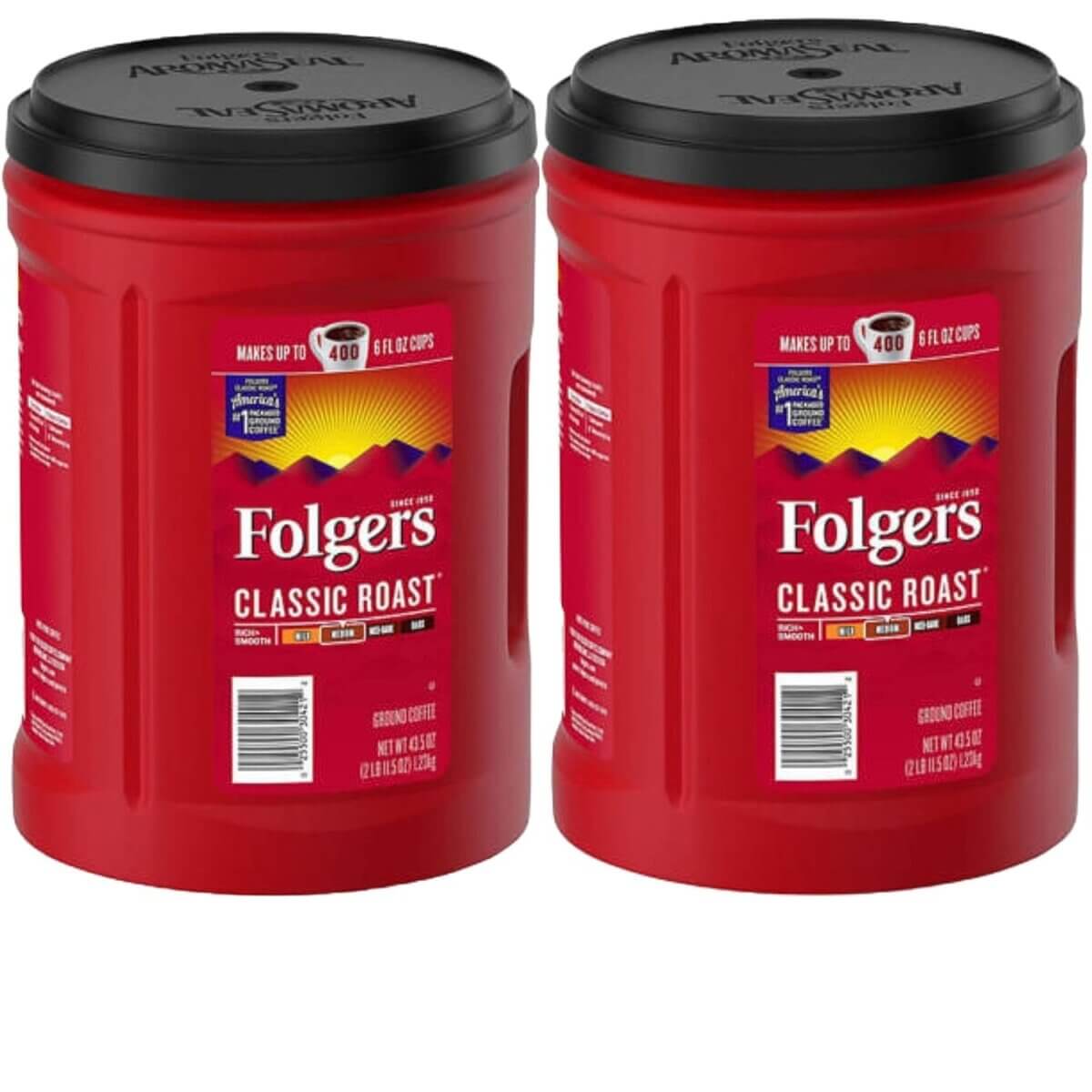
This iconic brand may be easier on your wallet, but you get what you pay for. Caffeine Informer says it’s poor-quality coffee that is pre-ground and not fresh. Parent company Smucker’s also uses pesticides, herbicides, and fungicides.
24/7 Wall Street adds the brand has no organic options and no sustainability certifications, meaning it’s not committed to ethical coffee production and sourcing. Though it remains a beloved brand, many warn that its quality has declined.
Folgers Classic Roast and its Instant Coffee version contain higher levels of acrylamide, a carcinogen that could increase cancer risk if consumed in large amounts. While the brand is budget-friendly and accessible to many, its taste and health concerns have landed it on our list of worst coffee brands by Worst Brands.com.
2. Death Wish
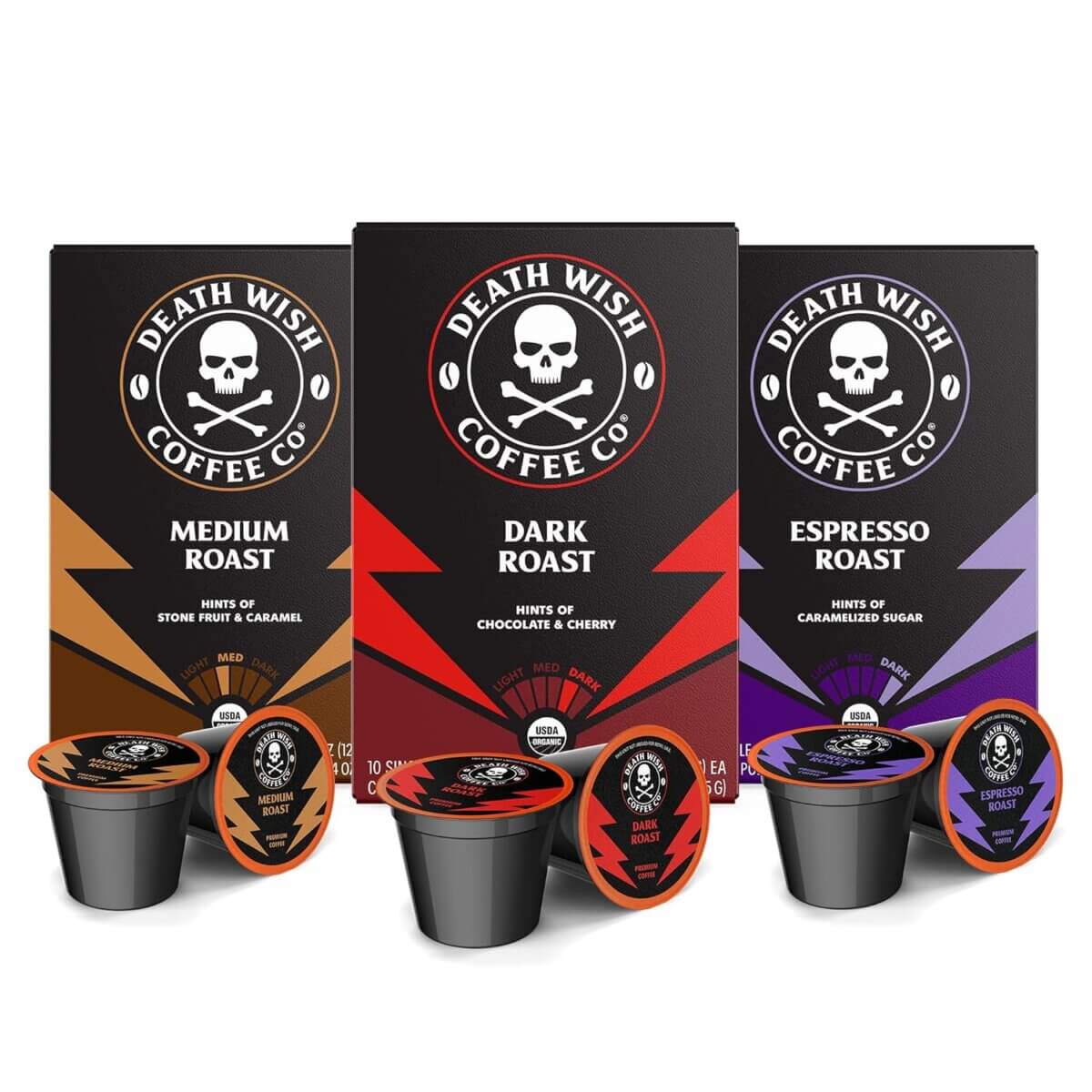
This coffee packs plenty of caffeine to wake you up, but experts say the beans used by the company are questionable. According to Eat This, Not That, the company sources Arabica and Robusta beans from India and Peru. Robusta beans have more caffeine but tend to be of lower quality compared to Arabica beans. Some people also dislike the oily nature of whole-bean coffee, which can clog home grinders.
Launched in 2012, this U.S. brand claims to produce the “World’s Strongest Coffee.” Fans swear a single cup of their Dark Roast will wake you up, with caffeine equivalent to 6 or 7 regular cups, though the exact amount is unknown. According to WorstBrands.com, despite being USDA-certified and organic, the taste and caffeine level don’t justify the hype.
Mashed says the flavor is “mediocre at best” and warns the high caffeine content can cause health issues. Frankly, you’d only drink Death Wish Coffee for its caffeine kick. If you must, go slow and be cautious—this brand’s name is no joke.
3. Yuban
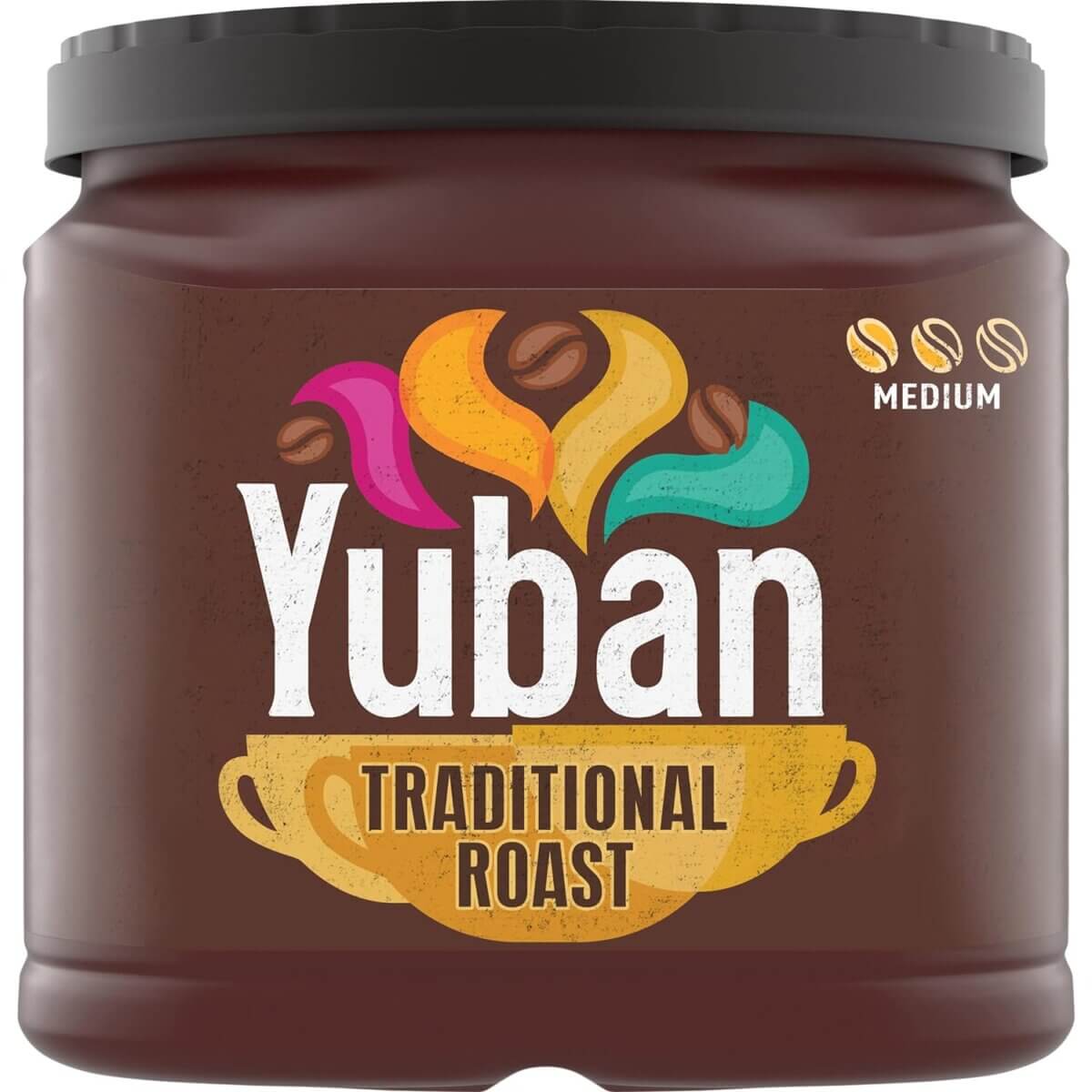
If you still think Yuban is made from 100% Colombian beans, Eat This, Not That says you’re mistaken. Yuban isn’t just missing the Colombian beans, it’s missing the quality. The company now says its coffee is “made with Robusta and Arabica beans from Latin America and other tropical regions,” which sounds like a fancy way of saying they used the cheapest beans they could find.
Yuban may be over 100 years old, but its quality is a thing of the past. Once a grocery store staple, Tasting Table believes its flavor now feels stale, likely due to careless ownership by Kraft-Heinz or the rise of the third-wave coffee movement. While it still boasts sustainable practices and a Rainforest Alliance Certification, Yuban’s popularity leans more on tradition than taste.
Since the company changed its formula, Mashed says the coffee is bland. In other words, it’s not your father’s coffee brand anymore, and there are much better choices on the market. If you’re looking for flavor and quality, it’s time to explore other options.
4. Maxwell House
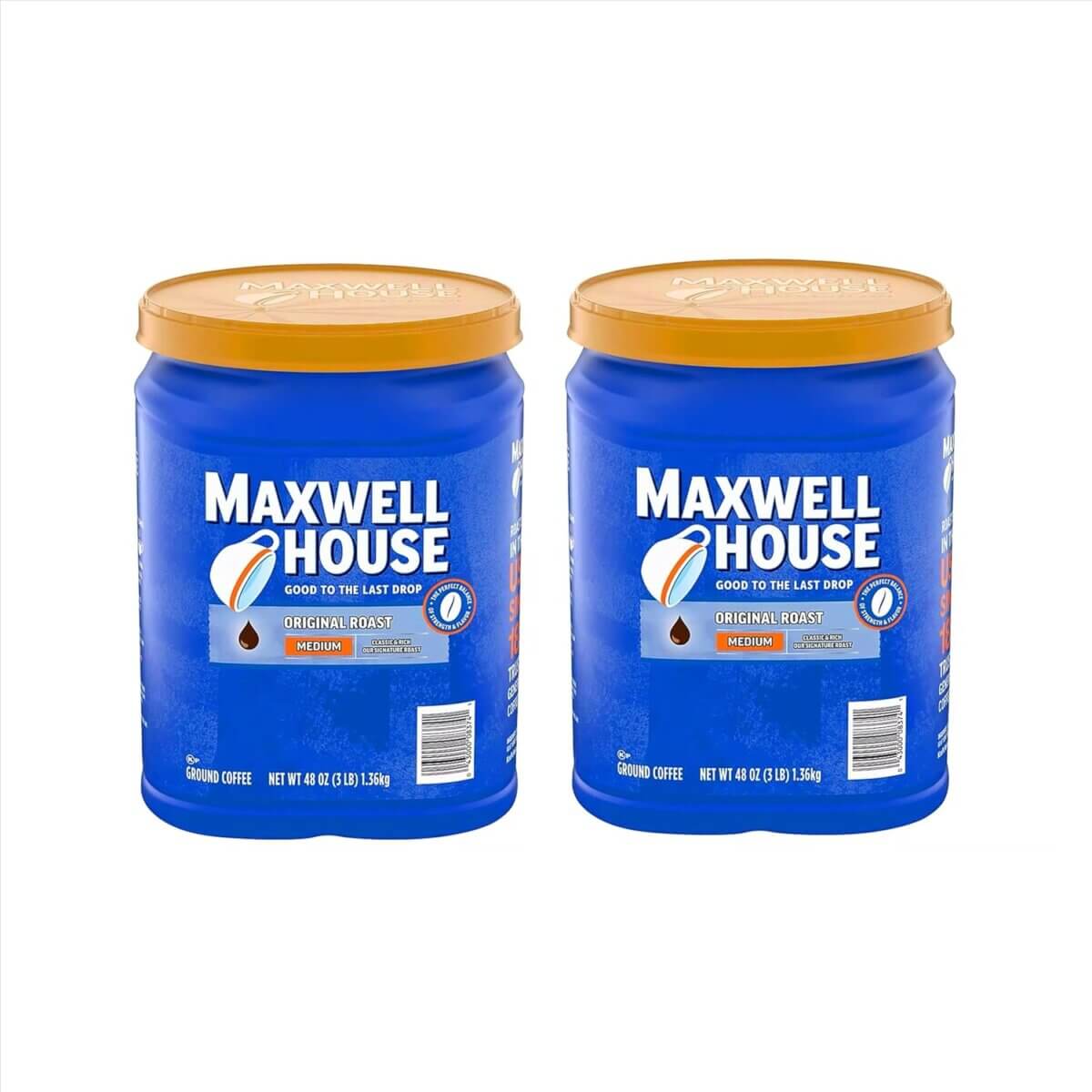
Here’s another iconic brand that is no longer “Good to the last drop.” According to Caffeine Informer, it lacks sustainability practices, and the pre-ground coffee raises questions about its freshness. Plus, it doesn’t offer any organic options.
Mashed says that this brand tastes like diner coffee that’s been sitting for hours. You can do better by trying any of the newer coffee brands available. It’s sure to be an improvement.
Maxwell House is so bad Tasting Table says the parent company once considered dropping it from its portfolio. But, there were no takers. So, for now, it’s still around, but you might want to walk past it in the coffee aisle.
5. McCafe
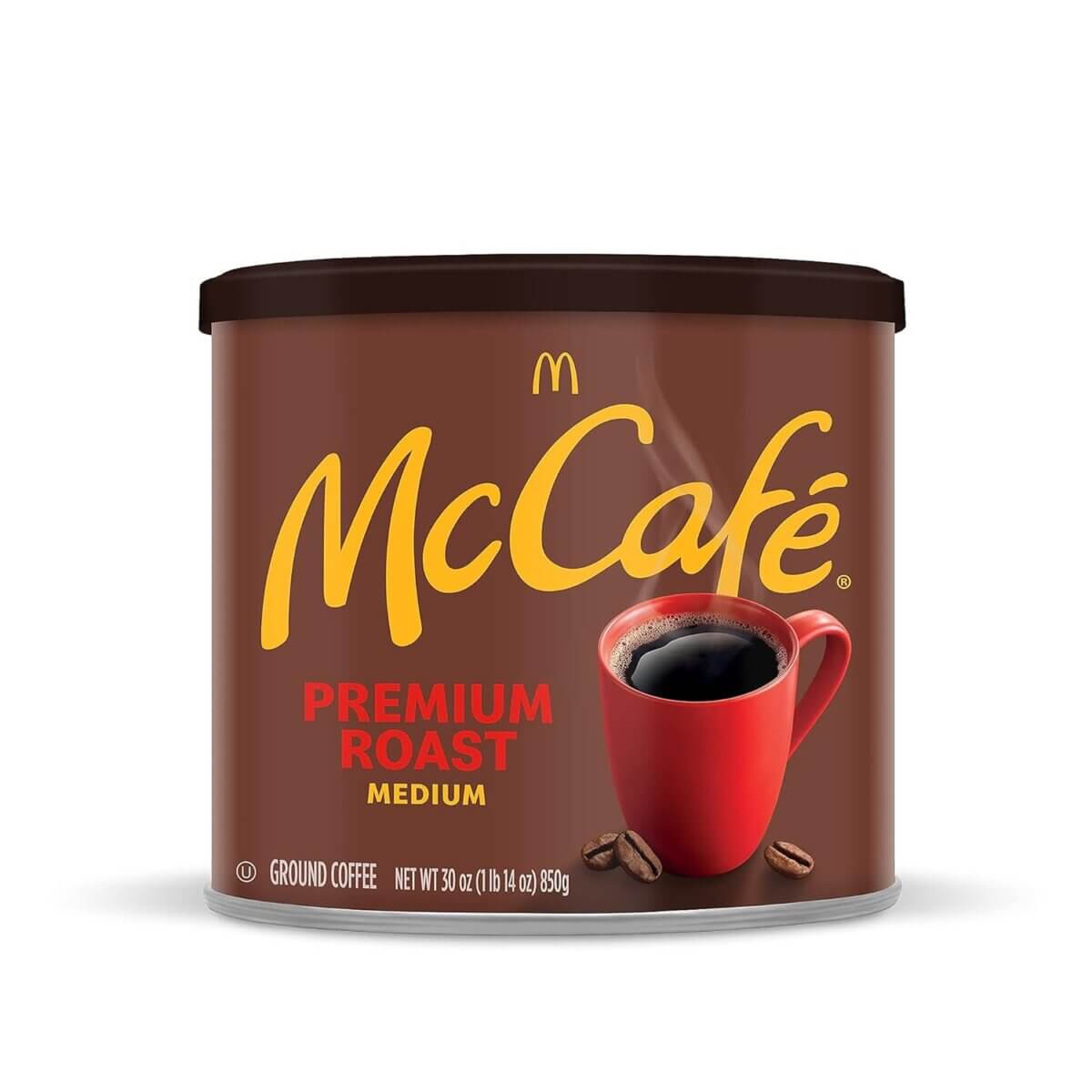
If you love McCafé, stick to the drive-thru because the store-bought version is nothing like the restaurant’s. Mashed says the grocery version tastes like burnt coffee from the bottom of the pot. Despite McDonald’s success with drive-thru coffee, its retail offerings are a letdown.
Tasting Table agrees you shouldn’t serve this to your worst enemy, because of its burnt flavor. Even microwaved coffee is better than this. Worst Brands notes the inconsistency, not the brand’s best look.
6. Nescafe
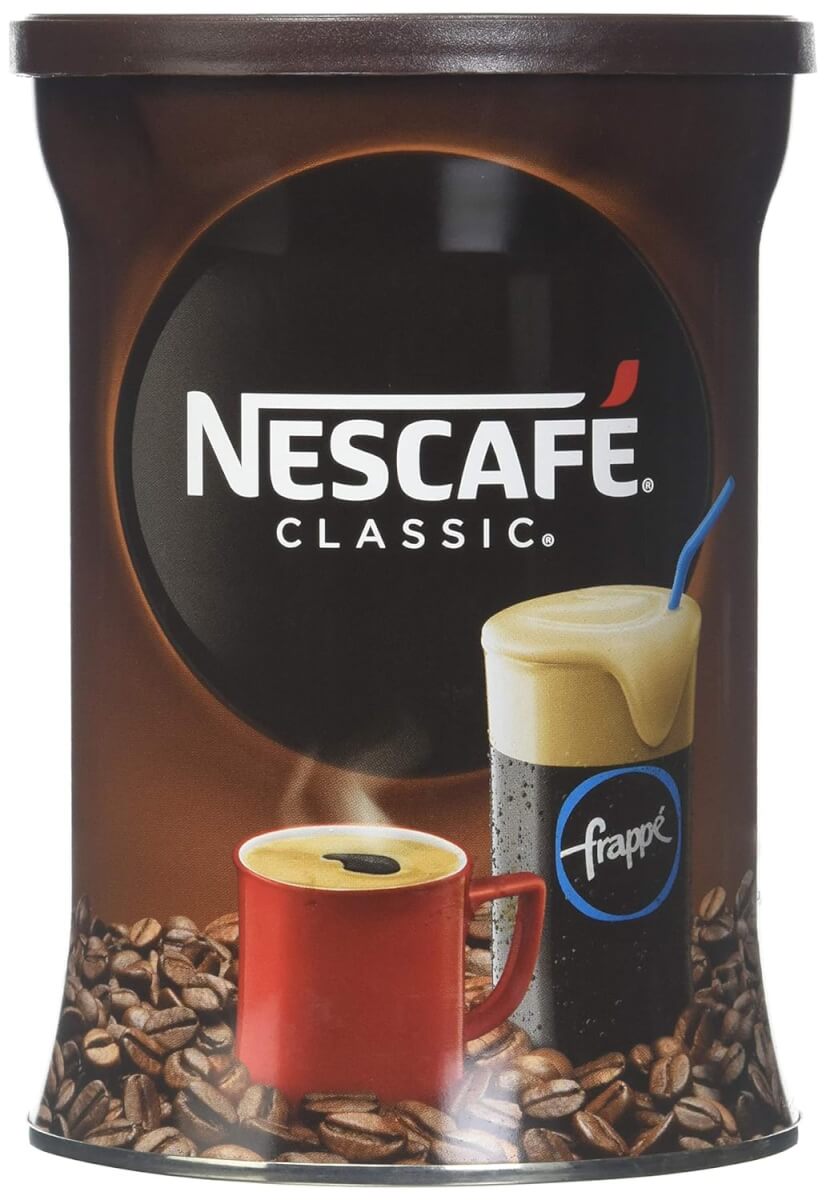
Nescafé claims its instant coffee is “100% pure coffee,” but with a two-year expiration date, you have to wonder, “What else could it be?” Despite being the best-selling coffee brand worldwide, its heavy roasting flavors leave much to be desired. Just because it’s popular doesn’t mean it’s good, says Tasting Table.
24/7 Wall St. raises concerns about Nescafé’s freshness and quality, noting that its lack of organic certification could mean the coffee contains harmful chemicals and mold. There are better options out there for conscientious coffee drinkers.
Just because this brand is popular, doesn’t mean it’s good! Even die-hard fans are turning away since the brand changed the recipe. Worst Brands says the taste is downright “vile.”
7. Seattle’s Best
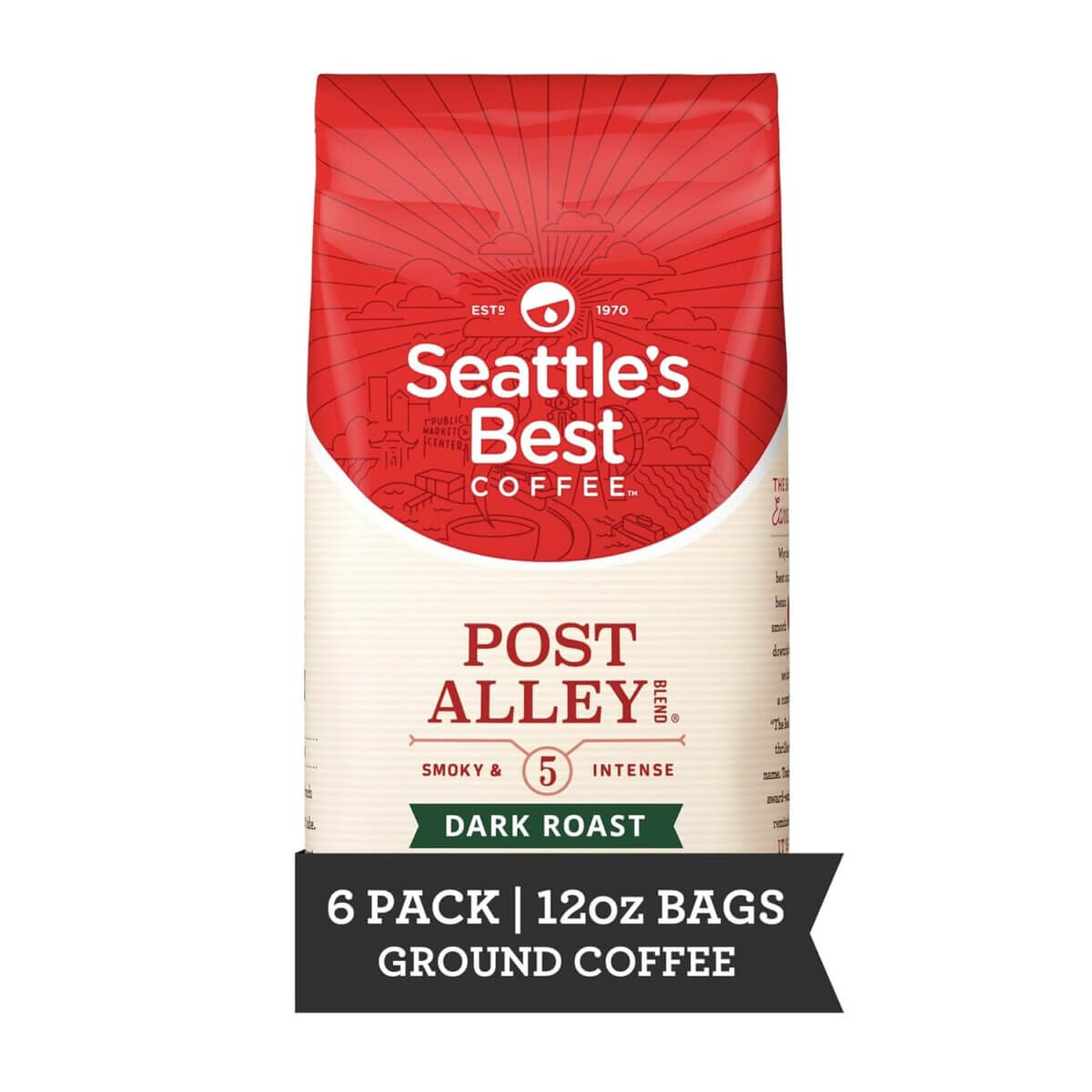
Rounding out our list is Seattle’s Best, owned by Starbucks, but according to Mashed it tastes like “liquified disappointment.” Though similar to Starbucks coffee, it’s more bitter and less enjoyable, making it not worth the savings. Every sip reminds you that you’re drinking the budget version of Starbucks.
Caffeine Informer calls this “Starbucks’ dirty little secret” to compete with lower-end brands like Maxwell House. Worst Brands encourages you not to let the Starbucks connection distract you from the taste, which is “extra bitter.”
Sources:
Note: This article was not paid for nor sponsored. StudyFinds is not connected to nor partnered with any of the brands mentioned and receives no compensation for its recommendations. This article may contain affiliate links in which we receive a commission if you make a purchase.


