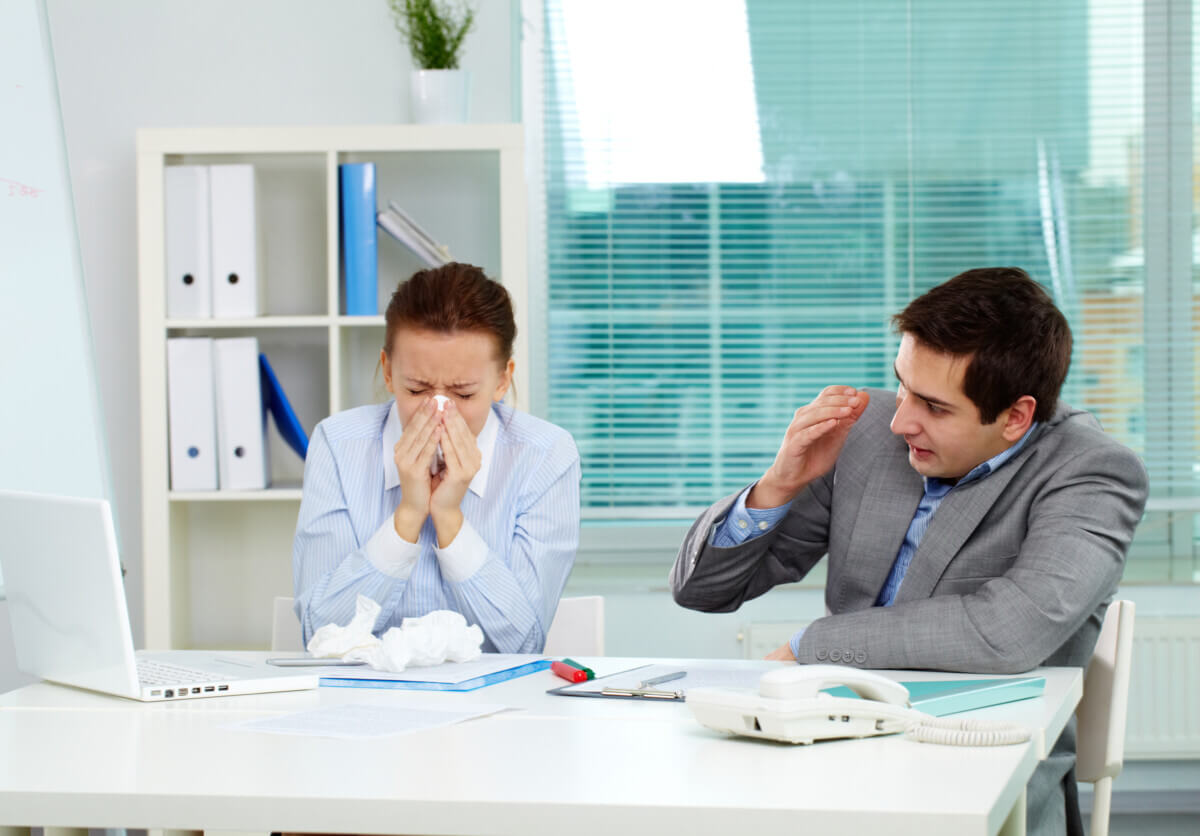
(Photo 24739672 | Sick © Pressmaster | Dreamstime.com)
In A Nutshell
- Cultural shift: 31% of Americans say showing up sick is no longer admirable, and only 25% think it impresses bosses.
- Generational divide: Gen Z and millennials are most likely to view sick colleagues as “selfish”; 42% say it harms relationships, and 64% use that label.
- Post-COVID caution: 57% say their expectations around illness changed since the pandemic, and 70% are more careful about hygiene and exposure.
- Workplace adaptation: 70% would turn off their camera during a video meeting if sick, blending flexibility with professionalism.
- Health first: Most rely on water (67%), sleep (52%), and vitamins (47%) to strengthen immunity; prevention now trumps presenteeism.
NEW YORK — Younger workers are drawing a hard line in the sand when it comes to illness in the workplace, and they’re not afraid to call out those who cross it. According to a new survey, Gen Z and millennials are leading a cultural revolution that’s transforming the once-celebrated act of “powering through” sickness into something far less admirable in our germophobic world: selfish behavior.
A survey of 2,000 Americans conducted by Talker Research on behalf of Zipfizz shows a clear attitude shift around workplace illness. Forty-two percent of respondents said their relationship with someone would be negatively affected if that person knowingly showed up sick. This sense of betrayal was especially strong among younger generations, specifically Gen Z and millennials, who increasingly value health boundaries in social interactions. Among all those who said relationships would be harmed, 64% classified such behavior as “selfish.”
This marks a stark departure from older workplace norms, where dragging yourself to the office with a fever was often seen as a badge of honor. Nearly one in three Americans now say showing up to work sick is no longer worthy of praise, with only 25% believing it would impress a boss. The survey suggests younger generations are particularly vocal about this shift, prioritizing collective wellbeing over outdated notions of workplace martyrdom.

Why Sick Colleagues Face Social Consequences
Attitudes toward working while ill are even becoming dealbreakers in relationships. The data shows that Gen Z and millennials feel especially strongly about protecting health boundaries, viewing violations of these boundaries as a breach of social responsibility rather than admirable dedication.
While some workers may have been conditioned to view presenteeism (being physically present at work regardless of health) as dedication, many now see it as inconsiderate and potentially harmful to others. The vast majority of Americans, 86%, feel concerned about their own well-being when others come to work visibly ill.
“The results of this survey reflect a significant cultural shift where taking care of one’s health is increasingly seen as more important than ‘powering through’ an illness,” said Marcela Kanalos, a spokesperson for Zipfizz. “While some may still feel compelled to show up despite being sick, it’s clear that both personal well-being and social relationships are now top priorities for many, especially among younger generations who value boundaries and respect in social interactions.”
Despite this cultural shift, many workers still face pressure to show up when sick. Twenty-eight percent said they attended work or social events while ill because “I had already committed,” while 27% couldn’t afford to miss work. Only 22% of currently employed respondents felt direct pressure from their employer to show up when unwell, suggesting the pressure often comes from internal expectations rather than external demands.

How COVID-19 Changed Workplace Health Standards
The COVID-19 pandemic accelerated existing concerns about workplace illness. Fifty-seven percent of respondents said their expectations around sickness have changed since the pandemic began. Seventy percent now feel more cautious about hygiene and illness compared to pre-pandemic times, with handwashing, social distancing, and avoiding sick individuals becoming standard practices.
These shifts extend beyond the workplace into social settings. Twenty-nine percent of people now feel uncomfortable eating from shared food at buffets or charcuterie boards. While 49% would share food with friends, only 24% would do so with coworkers, and just 3% would share drinks with them.
Technology offers a compromise for sick workers. Seventy percent of respondents said they’d feel comfortable turning off their camera during a video meeting if sick, offering a middle ground between full in-person attendance and calling out entirely.
“As we continue to adapt to new expectations around health, it’s clear that people are becoming more mindful of how their actions affect others—both in person and online,” added Kanalos. “The rise in remote work and virtual meetings, combined with an increased focus on hygiene and personal well-being, reflects a broader understanding that health isn’t just about feeling better—it’s about respecting the health of those around you.”
Prevention Beats Working While You’re Sick
Rather than celebrating those who work through illness, Americans are focusing on proactive health measures. Drinking plenty of water topped the list of immune system support at 67%, followed by getting enough sleep at 52%, and taking vitamins or supplements at 47%.
The shift in attitudes toward workplace illness goes beyond generational preferences. It reflects a broader rethinking of what it means to be a responsible colleague. For many workers, particularly younger ones, being professional now means protecting others from illness, respecting boundaries, and recognizing that individual choices affect the collective. The days of viewing sick-day martyrdom as admirable appear to be ending.
Survey Methodology
Talker Research surveyed 2,000 Americans between August 7 and August 11, 2025. The survey was commissioned by Zipfizz and conducted online. Respondents were sourced from non-probability sampling methods, including traditional online access panels where participants opt in to take part in online market research for an incentive, and through programmatic methods where respondents online are given the option to take a survey to receive a virtual incentive related to their online activity. The survey was conducted in English, and respondents were awarded points with a small cash-equivalent monetary value for completing it. Dynamic online sampling was used to achieve specified quotas during fielding. Interviews that failed quality-checking measures were excluded from final analysis, including speeders (respondents who completed the survey faster than one-third of the median interview length), inappropriate or irrelevant text in open-ended responses, bots identified through Captcha technology, and duplicates prevented through digital fingerprinting.


