
When outdoor air quality is affected by wildfire smoke, people spend more time indoors. (Photo by StudyFinds on Shutterstock AI Generator)
In a nutshell
- During the 2020 West Coast wildfires, people in smoke-affected areas spent significantly more time indoors, up to 16% more in some cities, creating ideal conditions for airborne diseases like flu and COVID-19 to spread.
- Disease models showed that even with partial immunity, wildfire-driven indoor crowding led to higher infection peaks, especially for fast-spreading viruses with short generation times.
- Masking indoors during wildfire smoke events could dramatically reduce transmission risk; even 10% mask use lowered disease spread in simulations, with 50% offering substantial protection.
PARIS — The obvious dangers of wildfires are flames, smoke, and evacuations. But scientists just discovered a hidden threat that’s been flying under the radar. When toxic air drives millions of people to shelter indoors together, it sets up a domino effect that can turn a single sick person into a full-blown disease outbreak.
The study, published in PLOS Climate, focused on the devastating 2020 West Coast wildfires. Scientists found that when smoke forced people to shelter indoors, it triggered significant spikes in activities that help airborne diseases spread.
During the worst of the smoke, indoor activity jumped by 11% and 16%, respectively, in major cities like Portland and Seattle. Oregon counties saw indoor activity surge by an average of 14.3%, while Washington counties experienced 10.8% increases.
Researchers discovered that these behavioral changes create a cascade effect that could dramatically amplify outbreaks of diseases like COVID-19, flu, and RSV, the very illnesses that spread most easily in crowded, poorly ventilated indoor spaces.
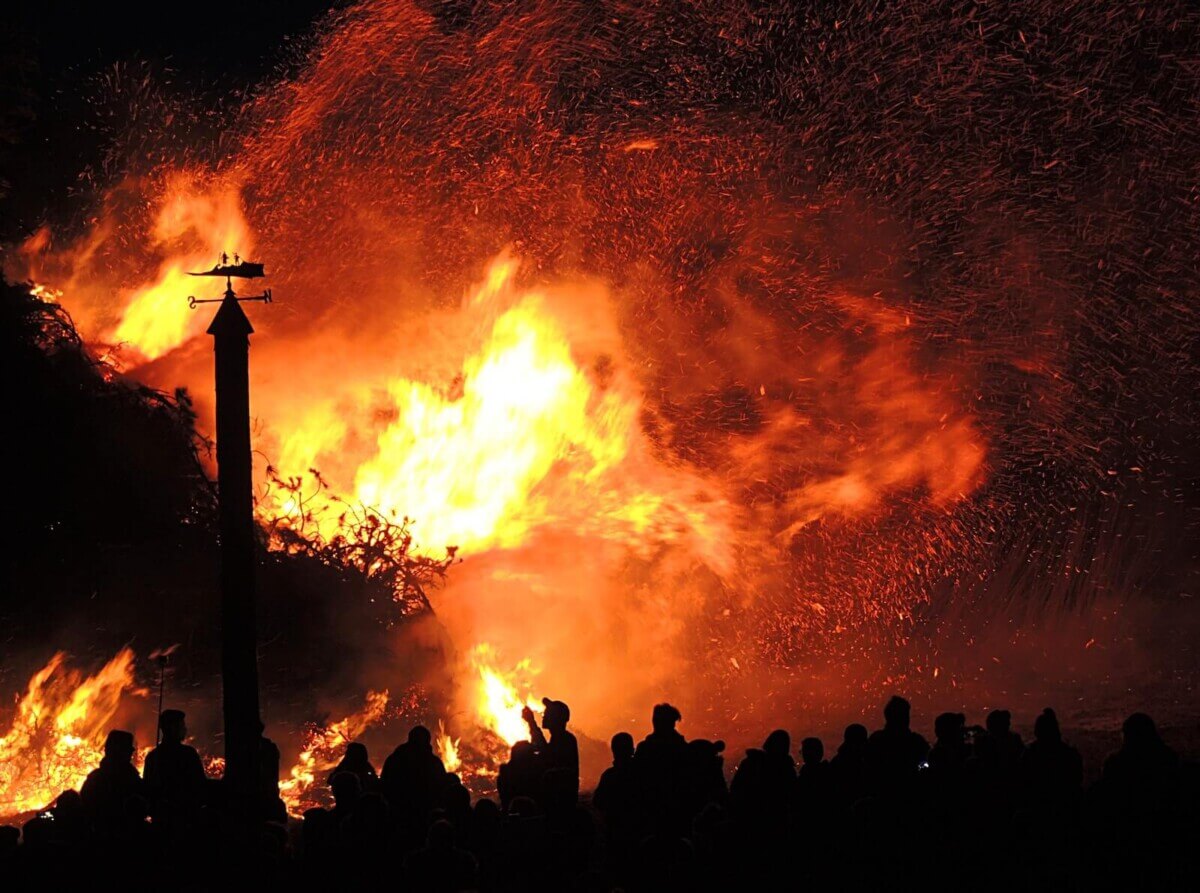
While most attention focuses on the direct health impacts of breathing smoky air, this research reveals an entirely different threat hiding in plain sight.
Bad Air Quality Drives People Together
Climate change is making wildfires bigger, more frequent, and smokier than ever before. The 2020 wildfire season was among the worst on record, with massive fires burning across California, Oregon, and Washington. By early September, a record-breaking heat wave and intense winds had spread smoke across vast regions, creating air quality emergencies hundreds of miles from the actual flames.
Using mobile phone data tracking visits to more than 4.6 million locations across the United States, researchers were able to measure exactly how people’s behavior changed when the air turned toxic. They looked at visits to indoor places like schools, hospitals, and grocery stores versus outdoor spaces like parks and recreation areas.
During the four weeks when wildfire smoke was at its worst, people in affected areas dramatically shifted their daily routines. Instead of spending time outdoors, they clustered in indoor spaces where respiratory viruses spread most easily.
The research tracked 10 counties across Oregon and Washington that were hit hardest by poor air quality, comparing them to 51 counties nationwide that maintained healthy air during the same period.
The Perfect Disease Laboratory
Researchers used mathematical models to simulate how these behavioral changes would affect the spread of various respiratory diseases. They tested scenarios with different types of viruses, from fast-spreading ones like influenza to slower-moving diseases like pertussis (whooping cough).
Diseases that spread quickly from person to person showed the most dramatic increases in transmission. For viruses similar to COVID-19 and seasonal flu, the models predicted notable increases in peak infection rates in wildfire-affected areas compared to places with clean air.

Generation time refers to how quickly a disease can jump from one person to another. The faster the generation time, the more wildfire-induced indoor crowding accelerates outbreaks.
Even when researchers tested scenarios where half the population had immunity from previous infections or vaccines, a best-case scenario for diseases like seasonal flu, wildfire-affected areas still showed significantly higher disease transmission rates.
Simple Solutions
When scientists modeled what would happen if people wore masks indoors during wildfire events, there were huge improvements. Even modest mask-wearing rates of just 10% could significantly reduce disease transmission risk. For substantial protection, mask compliance rates need to reach around 50%.
Public health officials already recommend staying indoors during poor air quality events. But this research suggests they should also be promoting indoor masking to prevent a secondary public health crisis.
We know wildfire smoke directly harms people’s lungs and hearts. But the indirect effects have received much less attention.
During the COVID-19 pandemic, researchers observed similar patterns when heat waves drove people indoors to air-conditioned spaces, leading to increased virus transmission. New wildfire research confirms this isn’t a one-off phenomenon but part of a broader pattern where climate disasters create conditions for infectious disease outbreaks.
As wildfire seasons grow longer and more severe across the American West, millions more people will find themselves sheltering indoors from toxic air. Without proper precautions, each wildfire emergency could become a double threat – poisoning the air outside while creating perfect conditions for respiratory diseases to flourish inside.
Paper Summary
Methodology
Researchers analyzed the 2020 West Coast wildfire season, focusing on September events that created severe air quality problems across Oregon and Washington. They used mobile phone data from SafeGraph (now Advan Patterns) to track visits to over 4.6 million indoor and outdoor locations from 2018-2021. Air quality data came from the Environmental Protection Agency, identifying counties where the Air Quality Index exceeded 150 for at least three days. The study compared 10 heavily affected counties in Oregon and Washington to 51 unaffected counties nationwide. Researchers used mathematical disease transmission models (SIR models) to simulate how behavioral changes would affect respiratory disease spread, testing various scenarios with different virus types and reproduction rates.
Results
Counties in Oregon experienced average indoor activity increases of 14.3%, while Washington counties saw 10.8% increases during wildfire events. Major cities showed significant impacts: Portland (11% increase) and Seattle (16% increase). Disease transmission models showed that viruses with shorter generation times (like COVID-19 and influenza) experienced the most dramatic increases in peak infection rates. Even with 50% population immunity, wildfire-affected areas still showed elevated disease transmission. Mask-wearing interventions proved effective, with 10% compliance providing notable protection and 50% compliance offering substantial risk reduction.
Limitations
The study focused on a specific wildfire season in the United States, which may limit broader applicability. The research relied only on ratios of indoor-to-outdoor activities and didn’t account for indoor activities at home. The models assumed fully susceptible populations in many scenarios, which may not reflect real-world immunity levels. The study didn’t incorporate actual public health data on infection rates, limiting direct correlation between behavioral changes and disease outcomes.
Funding and Disclosures
Research was supported by the Fritz-Family fellowship program. The authors declared no competing interests. Giulia Pullano received salary support from the Fritz-Family fellowship program.
Publication Information
The paper “Disruption of outdoor activities caused by wildfire smoke shapes circulation of respiratory pathogens” was published in PLOS Climate (Volume 4, Issue 6) on June 18, 2025. The paper is available as open access under the Creative Commons Attribution License.


