
(© Antonioguillem - stock.adobe.com)
New research shows that desserts, spicy foods, meat and cereals can also lead to bad dreams.
In a nutshell
- Certain foods really can affect your dreams, especially if you have food sensitivities like lactose intolerance or allergies that cause digestive distress.
- Dairy and sweets top the list of foods people blame for nightmares and bizarre dreams, while fruits, veggies, and herbal teas are linked to better sleep.
- When you eat matters too: Late-night snacking and night-eating are both tied to poorer sleep quality and more frequent nightmares.
MONTREAL — Ever wake up from a bizarre nightmare and blame it on that midnight snack? You might actually be onto something. New research shows there’s real science behind the age-old belief that certain foods can mess with your dreams, and it all comes down to what’s happening in your stomach.
A comprehensive study of over 1,000 college students found that people with lactose intolerance are significantly more likely to experience nightmares, with dairy products ranking as the second most common food blamed for disturbing dreams. The research shows that gastrointestinal symptoms like bloating, cramping, and gas may be the missing link between what you eat and what haunts your sleep.
Published in Frontiers in Psychology, the findings offer the first solid evidence that food sensitivities can directly impact dream content through very real physical mechanisms happening in your digestive system. Among participants who reported that food affected their dreams, dairy came in second only to desserts and sweets as the most frequently blamed culprit.
The Lactose-Nightmare Connection
Nearly 22% of dream-affecting foods were dairy products, with participants specifically citing milk, yogurt, cheese, and other dairy items. Interestingly, people with lactose intolerance scored significantly higher on nightmare frequency and severity scales.
Researchers at the University of Montreal discovered that gastrointestinal symptoms appeared to bridge this relationship. Essentially, it’s not the cheese itself causing nightmares, but rather the physical discomfort your body experiences when it can’t properly digest it.
These results give new credibility to the century-old “Dreams of the Rarebit Fiend” comic strip, where cartoonist Winsor McCay depicted characters blaming their bizarre nightmares on eating Welsh rarebit (essentially melted cheese on toast) before bed. McCay might have been onto something, or perhaps he was drawing from personal experience with undiagnosed lactose intolerance.

Foods That Mess With Sleep
While dairy dominated the nightmare headlines, desserts and sweets topped the list of foods blamed for dream disturbances, accounting for nearly 30% of all foods cited by participants. Spicy foods, meat, and cereals also made the troublemaker list.
On the flip side, participants who reported better sleep quality typically pointed to fruits, vegetables, and herbal teas. These observations align with existing research showing that certain foods can either promote or disrupt sleep quality, and poor sleep is a known trigger for nightmares.
Food allergies also played a role. People with any type of food allergy were more than twice as likely to report that food affected their dreams, even when researchers controlled for other factors. This points to immune system responses to problematic foods contributing to dream disturbances beyond just digestive discomfort.
When You Eat Matters Too
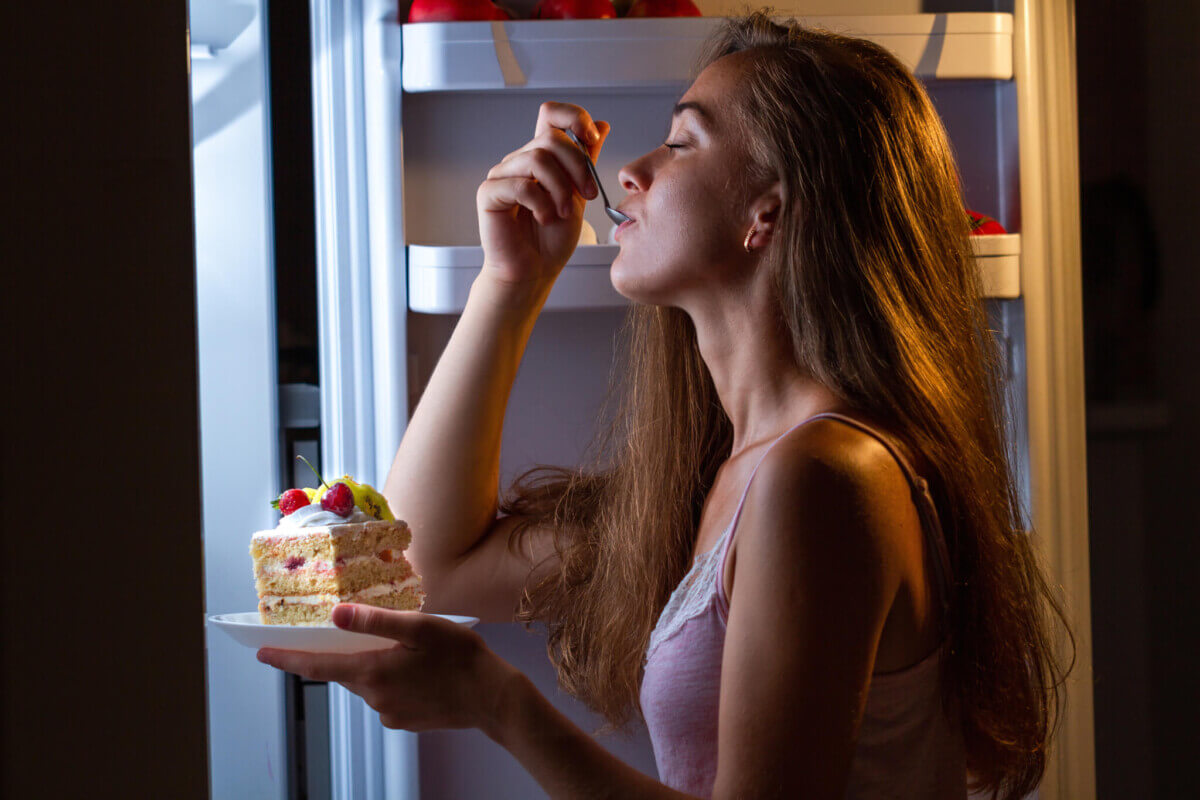
The study also examined timing, not just food choices. Late-night eating and evening snacking were strongly associated with both poor sleep quality and increased nightmare frequency. Your digestive system needs time to process food before you lie down, and eating close to bedtime can disrupt the natural sleep cycle.
Participants who engaged in “night eating” — getting up in the middle of the night to snack — showed particularly strong associations with nightmare occurrence. Evening eating was linked to more negative dream emotions and higher scores on nightmare disorder measures.
How Your Gut Talks to Your Brain
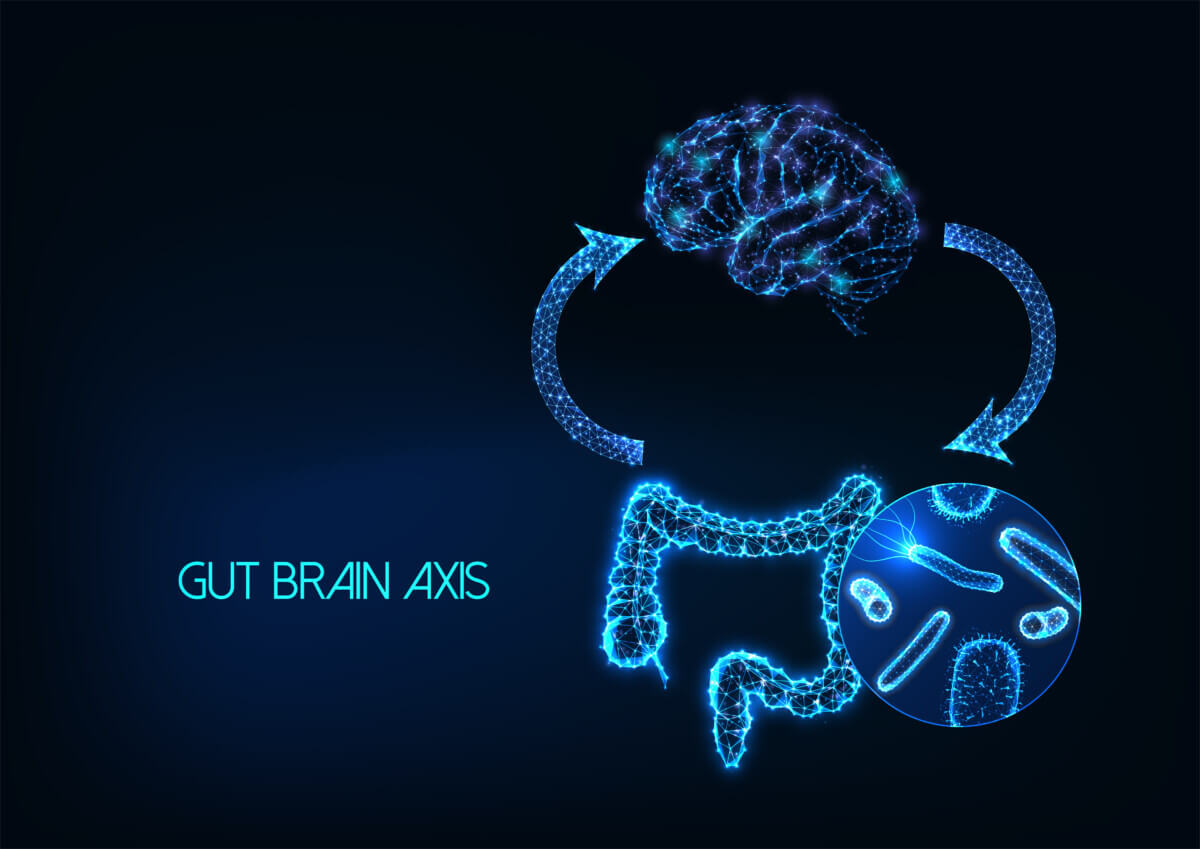
Researchers proposed several mechanisms to explain how food might influence dreams. The most compelling involves the gut-brain axis, which is the complex communication network between your digestive system and your brain. When you eat foods that cause gastrointestinal distress, those uncomfortable sensations don’t just disappear when you fall asleep. Instead, they can infiltrate your dreams as disturbing or bizarre content.
The study found that anxiety and depression symptoms partially explained the relationship between digestive problems and nightmares, meaning physical discomfort creates psychological stress that then manifests in dream content. Sleep quality also played a mediating role, as foods that disrupt normal sleep patterns can increase the likelihood of waking during REM sleep, when dreams are most vivid and memorable.
For anyone struggling with frequent nightmares or disturbed sleep, these results offer practical solutions. Rather than reaching for sleep medications, examining your diet — particularly your evening eating habits and potential food sensitivities — might provide a more natural approach. People with lactose intolerance could potentially reduce nightmare frequency by managing digestive symptoms through dietary changes or lactase supplements.
“We need to study more people of different ages, from different walks of life, and with different dietary habits to determine if our results are truly generalizable to the larger population,” says the study’s lead author Dr. Tore Nielsen of Université de Montréal, in a statement. “Experimental studies are also needed to determine if people can truly detect the effects of specific foods on dreams. We would like to run a study in which we ask people to ingest cheese products versus some control food before sleep to see if this alters their sleep or dreams.”
While these observations show correlation rather than definitive causation, and the study focused exclusively on college students, the research validates what many people have suspected for centuries: what you eat really can affect what you dream. Sometimes the path to better dreams really does run through your stomach, and paying attention to both what and when you eat might be the key to more peaceful nights.
Paper Summary
Methodology
Researchers surveyed 1,082 undergraduate students (average age 20.3 years) from MacEwan University using an online questionnaire administered from January to April 2023. The study assessed participants’ perceived relationships between food and dreaming through validated questionnaires measuring sleep quality (Pittsburgh Sleep Quality Index), nightmare frequency and severity (Nightmare Disorder Index), dietary habits, food sensitivities, and various psychological factors. Students received course credit for participation and could skip questions or withdraw at any time.
Results
Key findings showed that 40.2% of participants reported food affected their sleep, while 5.5% reported food affected their dreams. Among those reporting food-dependent dreaming, desserts/sweets (31%) and dairy (22%) were most commonly blamed for disturbing dreams. People with lactose intolerance had significantly higher nightmare scores, with gastrointestinal symptoms mediating this relationship. Food allergies and gluten intolerance were also associated with perceived food effects on dreams. Evening and night eating patterns correlated with poor sleep quality and increased nightmare frequency, while healthy eating habits predicted better dream recall.
Limitations
The study was correlational, making it impossible to determine whether food actually causes dream changes or if people experiencing nightmares are more likely to attribute them to food. The sample consisted exclusively of college students, limiting generalizability to other age groups. The research relied on self-reported perceptions rather than objective measures of food consumption or dream content. Additionally, the study couldn’t account for all potential confounding variables like stress levels, medications, or other lifestyle factors that might influence both diet and dreaming.
Funding and Disclosures
This research was supported by the Natural Sciences and Engineering Research Council of Canada grant RGPIN-2018-05065 and an Alexander Graham Bell Canada Graduate Scholarship-Doctoral Program. The authors declared no commercial or financial conflicts of interest and stated that no generative AI was used in creating the manuscript.
Publication Details
Nielsen, T., Radke, J., Picard-Deland, C., & Powell, R. A. (2025). “More dreams of the rarebit fiend: food sensitivity and dietary correlates of sleep and dreaming,” was published in Frontiers in Psychology, on June 30, 2025. DOI: 10.3389/fpsyg.2025.1544475


