
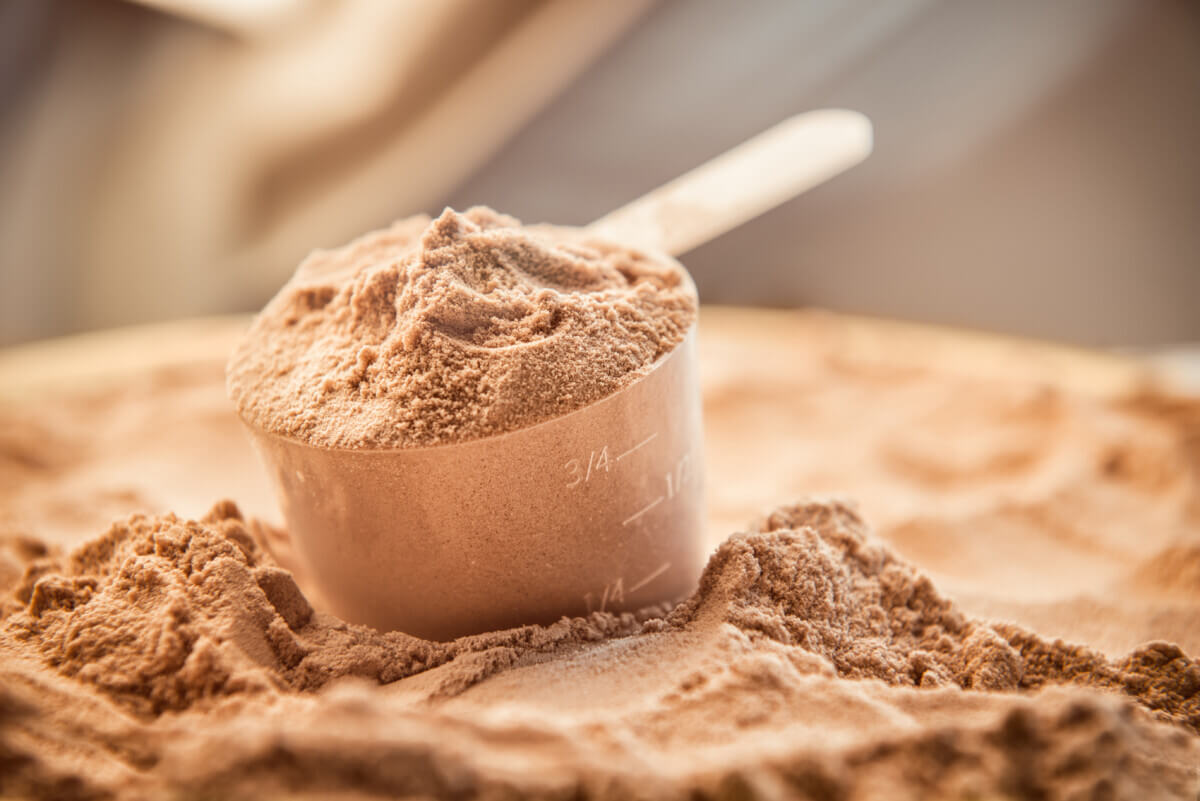
Too much protein can be a problem. (© LIGHTFIELD STUDIOS - stock.adobe.com)
In A Nutshell
- Most people already eat more protein than they need, despite social media and marketing hype.
- Eating more protein than the body requires offers no extra benefit and can increase fat storage, stress the kidneys, or lead to “protein poisoning.”
- Plant-based protein sources are linked with better long-term health outcomes, while high animal-protein intake is tied to higher risks of diabetes, cancer, and premature death.
- Balance is key: focusing on both the amount and source of protein helps support overall health.
The hype around protein intake doesn’t seem to be going away. Social media is full of people urging you to eat more protein, including via supplements such as protein shakes. Food companies have also started highlighting protein content on food packages to promote sales.
But is all the extra protein giving us any benefit – and can you have too much protein?
Protein’s Important – But Many Eat More Than They Need
Eating enough protein is important. It helps form muscle tissue, enzymes and hormones and it plays a role in immune function. It can also give you energy.
Australia’s healthy eating guidelines, penned by experts and backed by government, recommend we get 15–25% of our daily energy needs from protein. The recommended daily intake of protein for adults is 0.84 grams per kilogram of body weight for men (~0.38 grams of protein per pound) and 0.75 grams per kilogram of body weight for women (~0.34 grams of protein per pound).
This is about 76 grams per day for a 90 kilogram man (198-pounds) or 53 grams per day for a 70 kilogram woman (154-pounds). It’s a bit more if you’re over 70 or a child, though.
Most Australian adults are already eating plenty of protein. Even so, many people still go out of their way to add even more protein to their diet.
For people working to increase muscle mass through resistance training, such as lifting weights, a protein intake up to 1.6 grams per kilogram of body weight per day (that’s 144 grams a day for a 90 kilogram person) can help with increasing muscle strength and size.
But research shows there is no additional muscle gain benefit from eating any more than that.
For most of us, there’s no benefit in consuming protein above the recommended level. In fact, having too much protein can cause problems.
What Happens When I Eat Too Much Protein?
Excess protein is not all simply excreted from the body in urine or feces. It stays in the body and has various effects.
Protein is a source of energy, so eating more protein means taking in more energy. When we consume more energy than we need, our body converts any excess into fatty tissue for storage.
There are some health conditions where excess protein intake should be avoided. For example, people with chronic kidney disease should closely monitor their protein intake, under the supervision of a dietitian, to avoid damage to the kidneys.
There is also a condition called protein poisoning, which is where you eat too many proteins without getting enough fats, carbohydrates and other nutrients.
It’s also known as “rabbit starvation,” a term often linked to early 20th-century explorer Vilhjalmur Stefansson, in reference to the fact that those who subsisted on a diet of mainly rabbits (which are famously lean) quickly fell dangerously ill.
Where You Get Your Protein From Matters
We can get protein in our diets from plant sources (such as beans, lentils, wholegrains) and animal sources (such as eggs, dairy, meat or fish). A high intake of protein from animal sources has been associated with an increased risk of premature death among older Australians (especially death from cancer).
High animal protein intake is also associated with increased risk of type 2 diabetes.
On the other hand, consuming more plant sources of protein is associated with:
- a lower risk of dying from cancer
- a reduced risk of type 2 diabetes and
- improved blood cholesterol levels.
Many animal sources of protein are also relatively high in fat, particularly saturated fat. A high intake of saturated fat contributes to increased risk of chronic diseases such as heart disease. Many Australians already eat more saturated fat than we need.
Many plant sources of protein, however, are also sources of dietary fiber, which most Australians don’t get enough of. Having more dietary fiber helps reduce the risk of chronic diseases (such as heart disease) and supports gut health.
Striking A Balance
Overall, where you get protein from – and having a balance between animal and plant sources – is more important than simply just trying to add ever more protein to your diet.
Protein, fats and carbohydrates all work together to keep your body healthy and the engine running smoothly. We need all of these macro nutrients, along with vitamins and minerals, in the right proportions to support our health.
Margaret Murray, Senior Lecturer, Nutrition, Swinburne University of Technology. She does not work for, consult, own shares in or receive funding from any company or organization that would benefit from this article, and has disclosed no relevant affiliations beyond their academic appointment.
This article is republished from The Conversation under a Creative Commons license. Read the original article.


