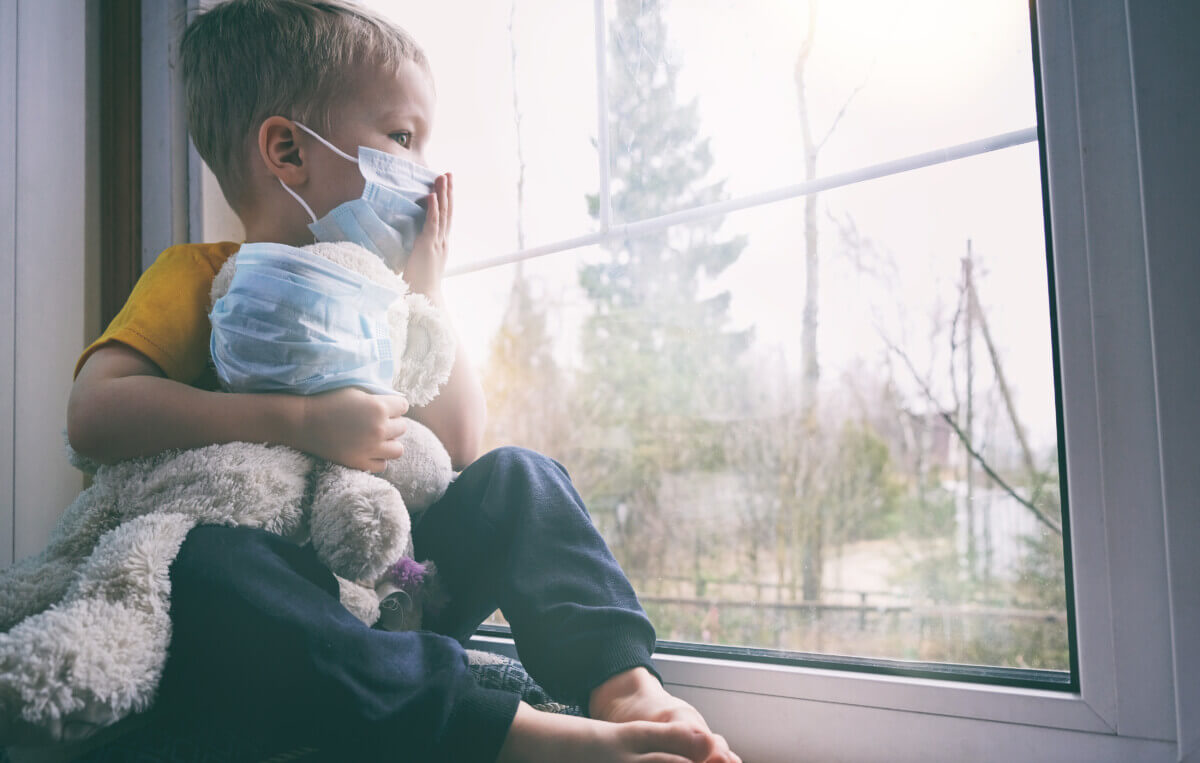
(© Gargonia - stock.adobe.com)
The COVID-19 pandemic was the worst infectious disease outbreak in our nation’s history. It killed twice as many people in the United States as the 1918 influenza pandemic. Many of us feel vulnerable to health issues in ways we have never felt before. I practiced in a decaying, poverty-stricken area of Detroit as the HIV/AIDS saga was unfolding. Medical personnel were exposed to plenty, including the afflicted and their body fluids, but it never shook my sense of safety. Precautions were effective. Not so with COVID-19. It’s the first disease that scared me personally.
The COVID-19 pandemic brought lessons in preparedness and response. One of these lessons is that an effective response requires the cooperation of private citizens and resources, as well as government and academic resources. Every individual chooses whether to be part of the problem or part of the solution. Everyone affects other individuals in their spheres of direct or indirect contact.
That is why it’s important to know the issues in readiness for a powerful defense when another deadly strain or pathogen strikes. It’s complicated, but I hope that you take away from this article that research in vaccinology and disease processes remains both vigorous and rigorous. It is being conducted with tens of thousands of voluntary participants (and thanks are due to them.)
The greatest minds in medicine at the greatest institutions are brainstorming, checking and rechecking results and each other, and sharing every bit of knowledge gleaned from their labors. Their purpose is protecting you, and strengthening lives and society.
What did doctors learn from the pandemic?
The COVID-19 pandemic led to extraordinary advances in vaccinology. These are the greatest advances in medicine of our time, as life-changing and life-determining as the development of antibiotics in the 20th century. The response of scientists demonstrated the ability of the medical community to rapidly address a major challenge when faced with urgent public health need.
Another lesson, however, is about the frailty of the national and global vaccine enterprise, including issues of vaccine distribution and acceptance. The medical community is not for a moment resting on its laurels for its feats with the COVID-19 vaccines. They appreciate the difficult and urgent work that the relentless threat of infectious disease demands.
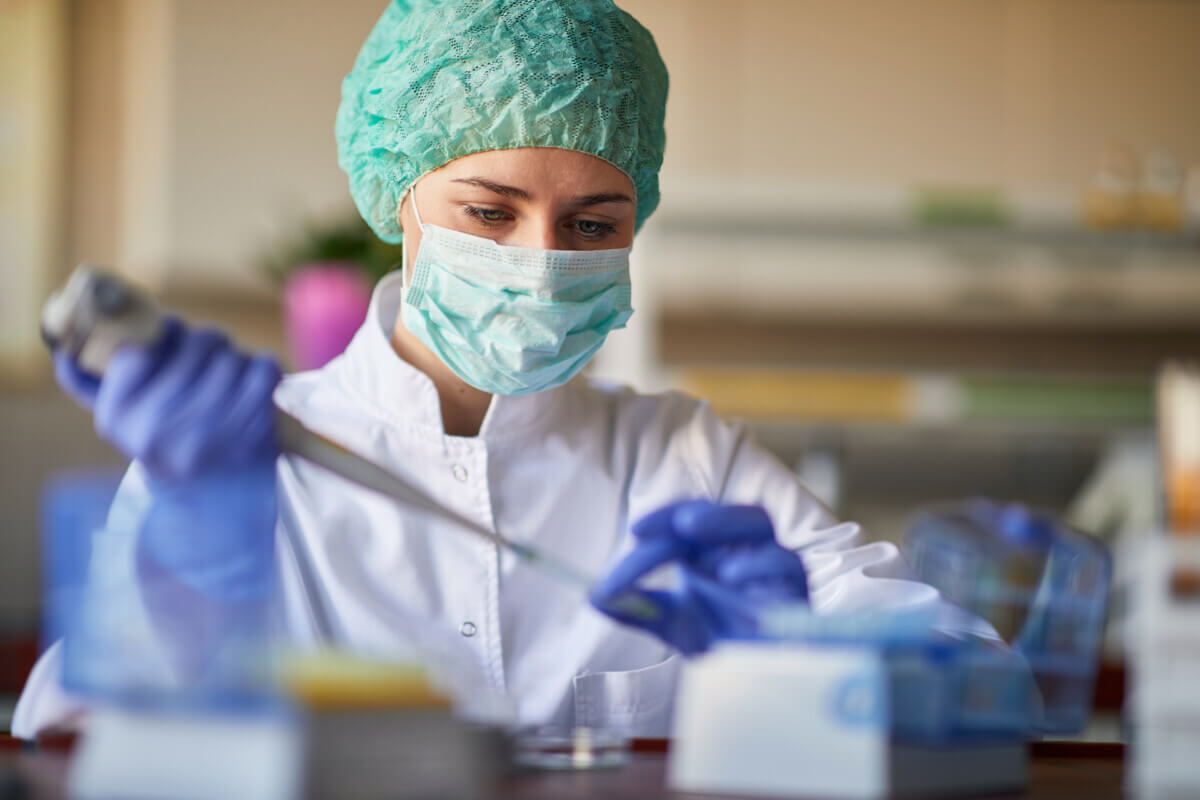
What is Project NextGen?
Project NextGen is the plan for vaccine development. The top goal of the next clinical trials (phase 2b) will be greater than 30% improvement in vaccine effectiveness (called efficacy) over a one-year period. Efficacy is based on protection against symptoms of COVID-19. Participants will self-test weekly, using nasal swabs. Asymptomatic infections are the goal – secondary only to no infection.
New vaccines are in development, which are active against various parts of the virus currently not targeted by vaccines. Advantages to these approaches include a more durable immune response and greater vaccine durability at refrigerator temperatures.
A difficult challenge for vaccine manufacturers is the need to have surge capacity. The manufacturers must be able to produce hundreds of millions of vaccine doses within a federally proposed 100 days after the onset of a pandemic.
As a pandemic wanes, and during periods between pandemics, demand for vaccine drops dramatically. The industry faces challenges preserving supply chains of essential materials. Manufacturing processes operating at less than full pandemic scale still require validation by the U.S. Food and Drug Administration.
If results from phase 2 studies are promising, the risks of future studies decrease dramatically. That may encourage private investment, which could lead to commercial development.
The duration of the current interpandemic period cannot be known, but experience indicates that this interval should not be wasted. It is a time to build knowledge about vaccine immunology and to reestablish trust and confidence in vaccines.


