
(Photo by Inzmam Khan on Pexels.com)
In A Nutshell
- Modest but real improvements: Teens taking a high-dose vitamin and mineral supplement for eight weeks showed better mood control and less emotional reactivity than those on placebo, though results varied across measures.
- Biggest impact for severe cases: Nearly two-thirds of teens with disruptive mood dysregulation disorder improved significantly on the supplement, compared to only one in eight on placebo.
- Relatively safe option: The most common side effect was temporary diarrhea in about one in five participants. No serious health problems were linked to the supplement itself.
- Not a quick fix: The treatment required swallowing 12 capsules daily, costs around $130 monthly, and didn’t work dramatically for about half of participants. Parents should consult their teen’s doctor before trying this approach.
Slamming doors. Screaming matches over homework. Meltdowns that erupt from nowhere and leave everyone exhausted. For parents living with a chronically irritable teenager, these scenes play out daily, and the options for help feel painfully limited.
New research published in the Journal of the American Academy of Child & Adolescent Psychiatry offers an unexpected alternative. Scientists gave 132 struggling teens either a high-dose vitamin and mineral supplement or a placebo for eight weeks. The teens taking the real supplement showed measurably better mood control, fewer emotional explosions, and less suicidal thinking than those on the fake pills.
Overall, the improvements were modest, and results varied across different measures. But in a small subgroup of 30 teenagers diagnosed with disruptive mood dysregulation disorder, a condition where anger and irritability interfere with daily life, nearly two-thirds improved significantly on the supplement. Only one in eight improved on placebo.
The researchers noted an urgent need for interventions that directly target irritability, have fewer side effects than current medications, and are accessible to all communities, particularly those that are disadvantaged. Irritability is one of the main reasons families seek pediatric mental health services, yet medication options come with significant side effects and questionable effectiveness.
How Researchers Tested Micronutrients For Teen Irritability
Rather than recruiting through clinics, researchers used social media to find teenagers nationwide who weren’t on psychiatric medications but struggled with moderate to severe irritability. Half got a supplement formula with vitamins and minerals at higher-than-normal doses. The other half received convincing fakes.
Everyone met monthly with a psychologist online and filled out weekly check-ins about mood and behavior. Both parents and teens tracked the changes.
The supplement group tended to rate better across measurements. Parents saw less emotional reactivity. Teens reported better quality of life and lower stress. Clinicians noted clearer overall improvement on some scales, though not all measures showed significant differences between groups.
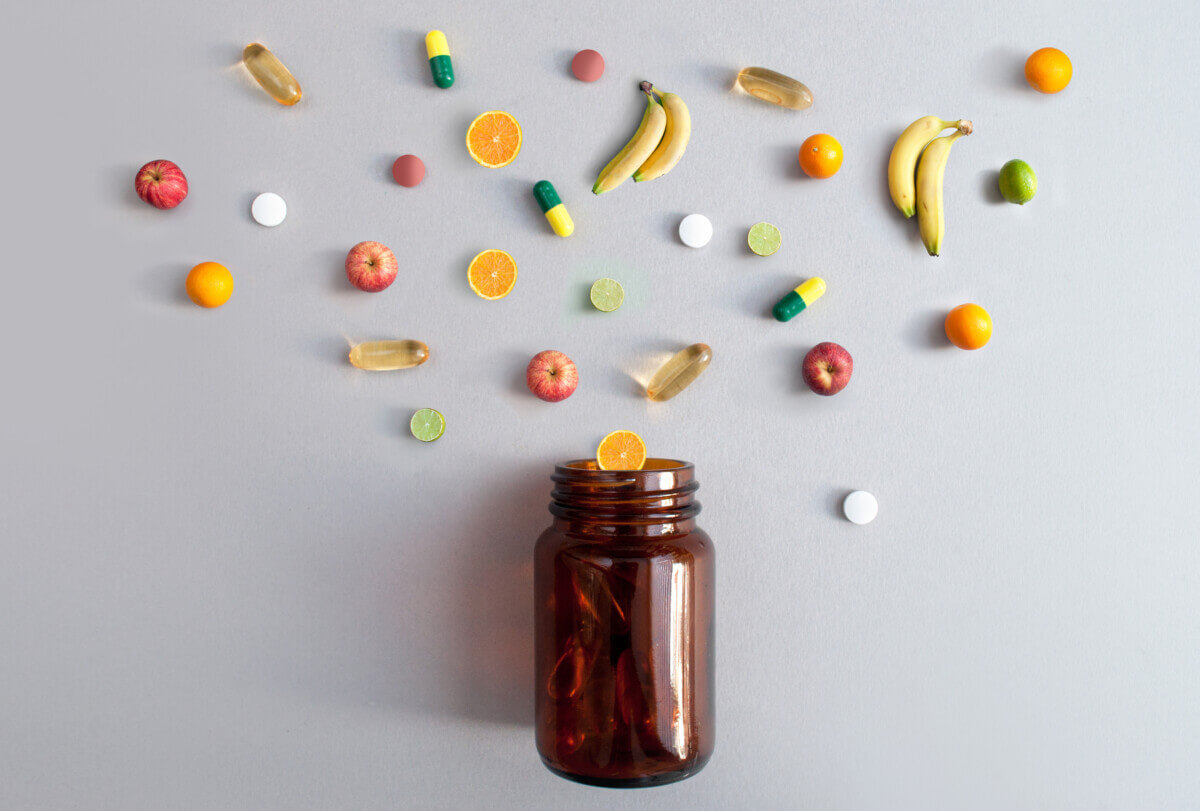
What’s In The Vitamin Formula For Teen Anger?
This wasn’t a standard multivitamin. Participants swallowed 12 capsules daily, delivering nutrients at levels above recommended daily amounts but generally below upper safety limits. Some teens, especially those already oppositional by nature, found the pill burden challenging, though the study doesn’t specify how many dropped out solely for this reason.
The most common complaint was temporary diarrhea, which affected about one in five on the supplement versus one in sixteen on placebo. Beyond that, the treatment proved remarkably safe. No serious health problems emerged that were linked to the pills themselves.
Why Poorer Teens Responded Better
One unexpected finding: teenagers from lower-income families showed stronger responses than those from wealthier backgrounds. Researchers aren’t entirely sure why. One possibility is that teens from lower-income families may start with bigger nutritional gaps, since wealthier families often have easier access to nutrient-rich foods.
The teenage years are notorious for deteriorating diets. Kids gain independence and choose french fries over salads. They skip meals, survive on snacks, and reject anything their parents suggest. Meanwhile, their brains are undergoing massive development that requires steady supplies of nutrients to build brain chemicals, fuel cells, and maintain structure.
Previous research has linked poor adolescent diet to increased mental health problems, particularly mood issues. Early childhood malnutrition predicts behavioral problems that last into adulthood. But getting a defiant, irritable teenager to completely overhaul their eating habits borders on impossible.
A daily supplement may offer a simpler workaround.
What Parents Should Know About Supplement Treatment For Teen Anger
Current treatment options for teen irritability are sparse. Therapy helps some kids but requires access, time, and money many families don’t have. Medications can work but often bring weight gain, sedation, and other unwanted effects. Some parents have turned to punishment or removal of privileges, which typically backfire and escalate conflicts.
This study ran for only eight weeks, so questions about long-term use remain unanswered. The screening process may have missed the most severely affected teens. And researchers didn’t have teachers rating behavior, partly because of COVID-19 restrictions, so we don’t know if improvements carried into school settings.
The supplement used in this trial, Daily Essential Nutrients with added Vitamers, currently sells for around $130 per month at full dose. That’s not trivial for many families, though it’s less than most psychiatric medications with insurance co-pays.
Parents considering this route should talk with their teen’s doctor first. This isn’t a magic cure. About half the teens on the supplement didn’t show dramatic improvement. But for families dealing with explosive anger and running out of options, it’s a relatively safe avenue worth exploring.
The most important finding may be the drop in suicidal thoughts among teens taking the supplement. While researchers didn’t design the study to measure this specifically, teens reported feeling less suicidal by the end compared to those on placebo.
| Pros (The Benefits) | Cons (The Challenges) |
| Fewer Side Effects: Unlike many psychiatric medications, these supplements didn’t cause weight gain, “zombie-like” sedation, or sleep issues. | The “Pill Burden”: Swallowing 12 large capsules every day can be a major battle for teens who are already defiant or oppositional. |
| Lower Suicidal Thoughts: One of the most encouraging findings was a measurable drop in suicidal thinking among teens taking the micronutrients. | Monthly Cost: At roughly $130 per month, the specific formula used (Daily Essential Nutrients) may be a financial stretch for some families. |
| Addresses Nutritional Gaps: Particularly effective for teens with poor diets or those from lower-income backgrounds who may lack steady access to nutrient-rich foods. | Not a Magic Bullet: About 50% of the teens in the supplement group did not see a dramatic change, meaning it doesn’t work for everyone. |
| Improved Quality of Life: Parents and teens both reported less “emotional reactivity” and lower overall stress levels by the end of the 8 weeks. | Short-Term Data: The study only lasted 8 weeks. We don’t yet know if the benefits last for years or if the dose needs to change over time. |
Disclaimer: This article is for informational purposes only and does not constitute medical advice. The research described is a single study with modest results that have not yet been replicated. Parents should not start their teenager on high-dose supplements without first consulting with their child’s physician or mental health provider. Self-treating mental health conditions can be dangerous. The supplement discussed is not FDA-approved for treating irritability or any mental health condition. Individual results may vary, and what worked in a controlled research setting may not work the same way at home. Always seek professional medical guidance before making changes to your teen’s treatment plan.
Paper Notes
Limitations
Researchers acknowledged several limitations. The sample size was modest, particularly for teens with DMDD. By including teens with DMDD within the ODD diagnosis group, treatment effects in ODD participants may have been driven by severe irritability rather than general oppositional behavior. The study didn’t use structured clinical interviews for all diagnoses. There was no third-party rater like a teacher, partly due to COVID-19 restrictions. The screening measures may not have captured severe irritability as well as intended. Diet was assessed only crudely. Some participants found swallowing 12 pills daily challenging.
Funding and Disclosures
This research was funded by a Health Research Council (HRC) Explorer Grant, UC Foundation and the School of Psychology, Speech and Hearing at the University of Canterbury. Hardy Nutritionals supplied the micronutrients and matching placebo for free. Julia Rucklidge has received royalties from her book “The Better Brain” published by Harper Collins, with some funds reinvested into research. Other authors reported no financial conflicts of interest.
Publication Details
Authors: Julia J. Rucklidge, PhD (University of Canterbury, Christchurch, New Zealand); Angela H. Sherwin, PhD Candidate (University of Canterbury); Roger T. Mulder, PhD, FRANZCP (University of Otago, Christchurch); Leona Manna, MPhil, PG Dip Clin Psych, FNZCCP (University of Canterbury); Joseph M. Boden, PhD (University of Otago, Christchurch) | Journal: Journal of the American Academy of Child & Adolescent Psychiatry, February 3, 2026 | Title: Efficacy and Safety of Micronutrient Treatment for Irritability in Teenagers: 8-Week Double-Blinded Randomized Placebo-Controlled Trial (BEAM) | DOI: 10.1016/j.jaac.2026.01.013 | Trial Registration: ANZCTR12621000399897


