(© Olivier Le Moal - stock.adobe.com)
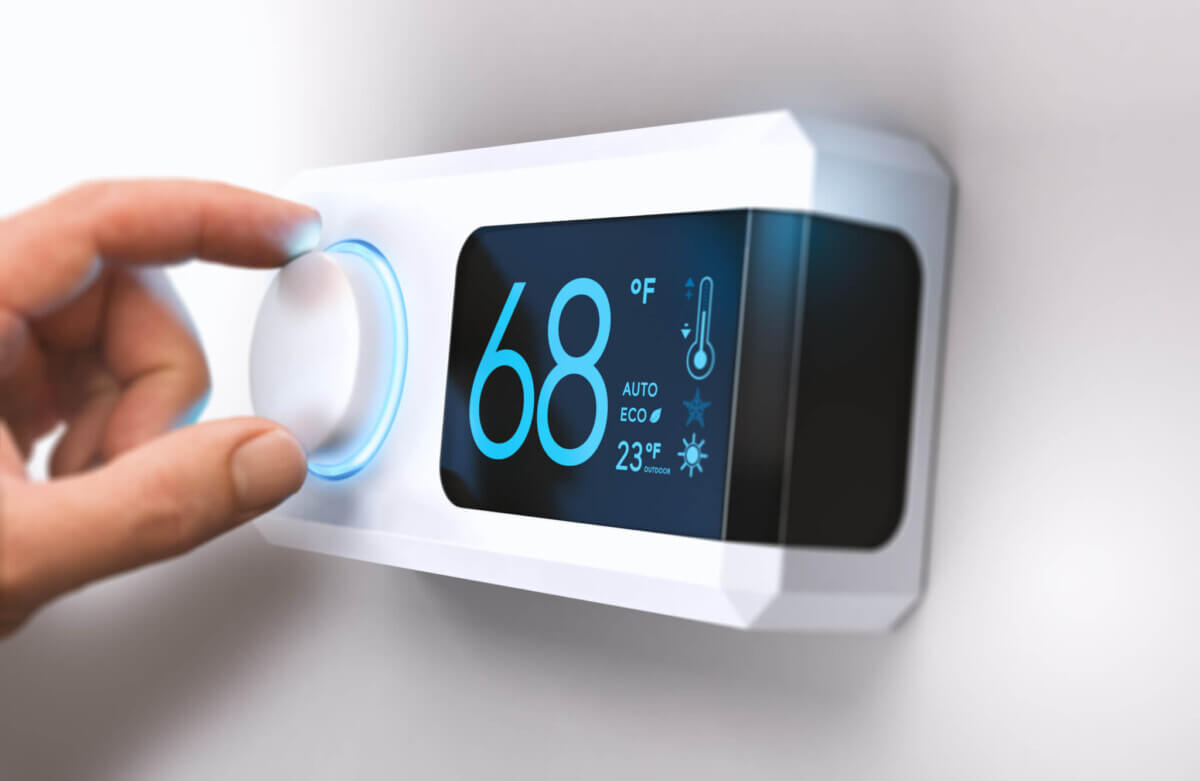
LONDON — Keeping your thermostat on 72 may not be the best for your gas and electric bill, but it could do wonders for your health. A recent study found that cooler indoor temperatures were linked to higher blood pressure.
How Indoor Temperature Affects Blood Pressure
Researchers at the University College London determined that for every one-degree Celsius decrease in indoor temperature, systolic blood pressure rises by an average of 0.48 mmHg, and diastolic blood pressure jumps about 0.45 mmHg. Systolic blood pressure measures the pressure in your blood vessels when your heart beats, whereas diastolic blood pressure measures the pressure in between beats. A blood pressure under 120/80 mmHg is considered normal.
“Our research has helped to explain the higher rates of hypertension, as well as potential increases in deaths from stroke and heart disease, in the winter months, suggesting indoor temperatures should be taken more seriously in diagnosis and treatment decisions, and in public health messages,” notes senior author Dr. Stephen Jivraj, of the UCL Institute of Epidemiology and Health Care, in a media release. “Among other diet and lifestyle changes people can make to reduce high blood pressure, our findings suggest that keeping homes a bit warmer could also be beneficial.”
Inside the Study
For the study, Dr. Jivraj’s team, evaluated data from 4,659 participants in the Health Survey for England. Individuals completed questionnaires on their general health and lifestyle choices, then nurses followed up on the questionnaire by visiting the participants in their homes to measure their blood pressure and take indoor temperature readings. They found that average blood pressure for residents in the coolest homes was 126.64/74.52, whereas those in the warmest homes averaged 121.12/70.51 mmHg.
Researchers had to account for other factors such as social deprivation and outdoor temperature to identify independent associations between blood pressure and indoor temperature. The effect was especially notable in people who were less physically active.
Though the authors didn’t pinpoint a temperature for a “warm enough home,” they do suggest that 21 degrees Celsius, or about 70 degrees Fahrenheit, is ideal. The findings of the study they believe are important for doctors to keep in mind when treating patients who are at-risk for high blood pressure.
What It Means for You
“We would suggest that clinicians take indoor temperature into consideration, as it could affect a diagnosis if someone has borderline hypertension, and people with cooler homes may also need higher doses of medications,” says co-author Hongde Zhao.
The study was published in the Journal of Hypertension.


