(Credit: oleschwander/Shutterstock)
In a Nutshell
- A single dose of the weight-loss drug semaglutide reduced a pregnant sheep’s heart output and the blood flow reaching her uterus within two hours.
- Oxygen levels in the fetal bloodstream dropped by the two-hour mark, even though heart rate and blood pressure in both mother and fetus held steady.
- Blood flow to the uterus kept roughly its normal share of the mother’s circulation, so the drop appears tied to her slower overall blood output rather than blood being diverted away from the womb.
A drug now taken by millions to lose weight left a measurable mark inside pregnant sheep within two hours of a single dose. Semaglutide reduced blood flow to the uterus and lowered oxygen levels in the fetal bloodstream, all while heart rate and blood pressure in both mother and fetus stayed steady, according to a new animal study.
Researchers from Adelaide University, the Hospital for Sick Children in Toronto, and the University of Toronto tracked these changes with detailed MRI scans on seven pregnant sheep given the drug through an IV. Their report, published in the journal Heart, Lung and Circulation, found that the drug’s footprint appeared only in specialized readings of blood flow and oxygen, the kind of monitoring that is not part of a routine checkup.
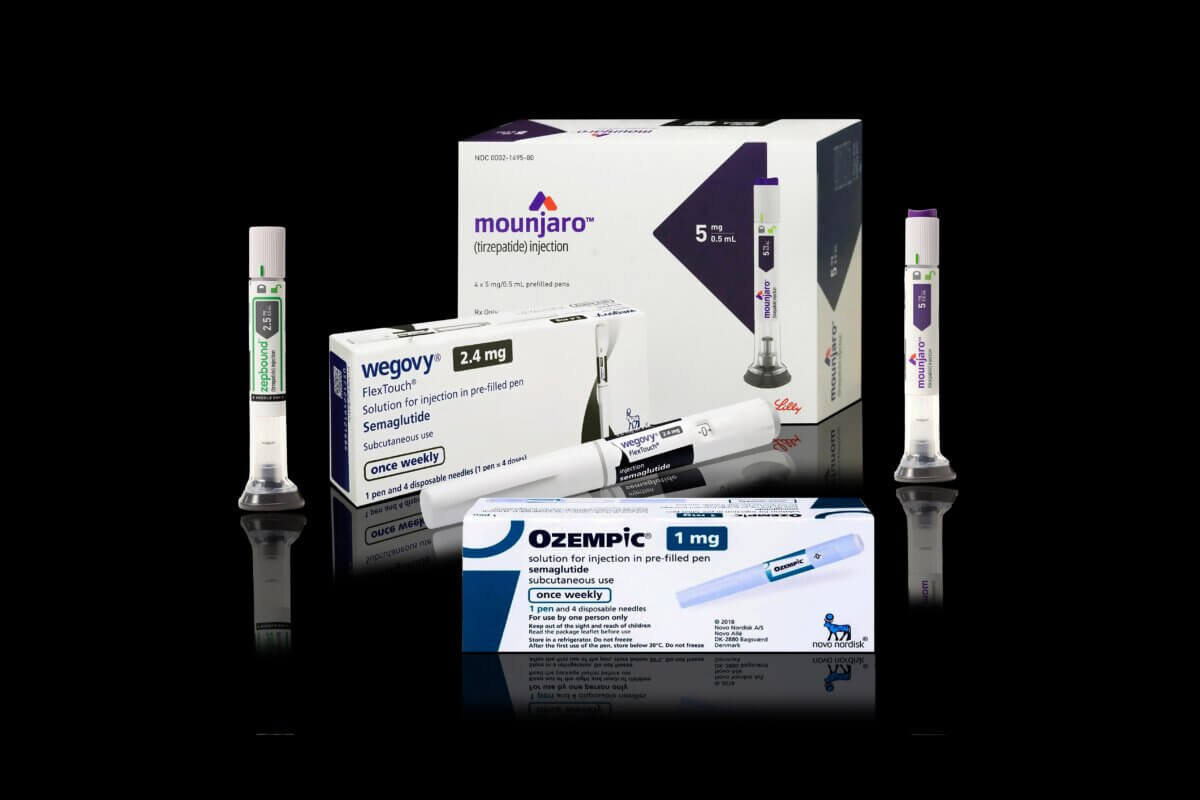
Millions of women now take semaglutide-based drugs like Ozempic and Wegovy to lose weight, and a large share of them are young enough to become pregnant. Because pregnant patients are almost always left out of drug trials, little is known about how these medications behave during pregnancy, and this sheep study was built to start closing that gap. Doctors have also reported unexpected pregnancies among patients on these drugs, since weight loss can restore fertility that extra weight had suppressed.
How Scientists Tested Semaglutide on Pregnant Sheep
A research team worked with seven pregnant sheep, performing surgery late in pregnancy to thread thin tubes, called catheters, into an artery in each fetus’s leg and a vein in the mother’s neck. These tubes let the team draw blood samples and track oxygen levels throughout the experiment. A few days later, each ewe underwent an MRI scan designed to measure how fast blood moves through specific vessels, including the mother’s overall heart output and flow through the artery that feeds the uterus.
Scans were captured at three points: before the drug, about 20 minutes after the semaglutide dose, and again two hours later. Blood samples from the fetuses were drawn before the dose and at 45 minutes and two hours afterward to check oxygen levels. Each fetus was also measured from the scan images using a computer program trained to calculate fetal volume. From there, the team ran the figures through statistical tests designed to separate real effects from random chance.
What Changed After a Single Dose
Heart rate and blood pressure barely moved in either the mother or the fetus after the dose, which on the surface might look reassuring. Deeper measurements pointed elsewhere. By the two-hour mark, the mother’s heart was pumping about 0.8 liters less blood per minute than at the start, and blood flow through the artery feeding the uterus had also fallen.
That stability came with a catch. A ratio the researchers tracked, comparing uterine blood flow against the heart’s total output, held about steady before and after the dose. That detail matters, because it points to the drug not singling out the uterus. Instead, the womb kept roughly its usual share of blood, just drawn from a smaller total supply as the mother’s whole circulation slowed. For a fetus, which depends entirely on that incoming flow, a shrinking supply can mean less of the oxygen it needs to grow. A single afternoon of slightly lower oxygen is unlikely to leave a mark, but the same drug taken month after month is a different question the study was not designed to answer.
Fetal oxygen followed the same decline. Oxygen pressure in fetal blood, a measure of oxygen levels in the bloodstream, averaged about 23 units before the infusion, slipped to just under 20 at 45 minutes, and dropped further to roughly 18.8 by two hours, a change the researchers counted as statistically meaningful. Average fetal size across the group landed near 2,375 cubic centimeters, a single baseline reading, since the study did not follow fetal growth over any longer stretch of time.

What Semaglutide Could Mean for Pregnant Women
Researchers behind the work framed it as a first look that raises questions worth chasing down. Their stated takeaway was blunt: further investigation is needed to determine the long-term impact on fetal growth. This was a short-term test of a single dose in sheep, far from a study of human pregnancy, and it did not track the fetuses long enough to know whether a brief dip in oxygen causes any lasting harm. Real-world use looks nothing like one injection, with patients taking these drugs weekly for months or years, a pattern the experiment did not attempt to copy.
Still, the pattern is hard to wave off. A medication used by growing numbers of reproductive-age adults measurably reduced blood flow to the uterus and lowered oxygen levels in fetal blood within a couple of hours of one dose. Human pregnancy may behave differently, yet findings like these are exactly the sort of early signal that argues for closer study before semaglutide gets waved through as risk-free for anyone who might conceive while taking it.
Disclaimer: This article describes findings from a preclinical study conducted in pregnant sheep, not humans. The research examined only the short-term effects of a single dose and did not track fetal growth over time, so the results do not establish risk in human pregnancy. The information here is for general awareness and is not medical advice; anyone with questions about semaglutide use during or around pregnancy should talk with a qualified healthcare provider.
Paper Notes
Limitations
This research was conducted in pregnant sheep, not humans, and involved a small group of seven animals. Measurements captured only the acute effects of a single semaglutide infusion over a two-hour window, so the study cannot address what might happen with repeated dosing over weeks or months, as these drugs are typically used by people. Fetal volume was recorded as a baseline measurement rather than tracked over time, meaning the study did not directly measure whether fetal growth was affected. One oxygen reading was borderline at 45 minutes before reaching significance at the two-hour point, which the researchers noted.
Funding and Disclosures
The published abstract lists no specific funding sources, grant numbers, or conflict-of-interest disclosures for this study.
Publication Details
Paper Title: “Do Weight Loss Drugs Impair Fetal Growth?”
Authors: S. Cho, M. Lock (corresponding author), S. Holman, J. Minns, J. Tu, C. Macgowan, M. Seed, M. Wiese, J. Morrison
Affiliations: Adelaide University, Adelaide, SA, Australia; Hospital for Sick Children, Toronto, ON, Canada; University of Toronto, Toronto, ON, Canada
Journal: Heart, Lung and Circulation


