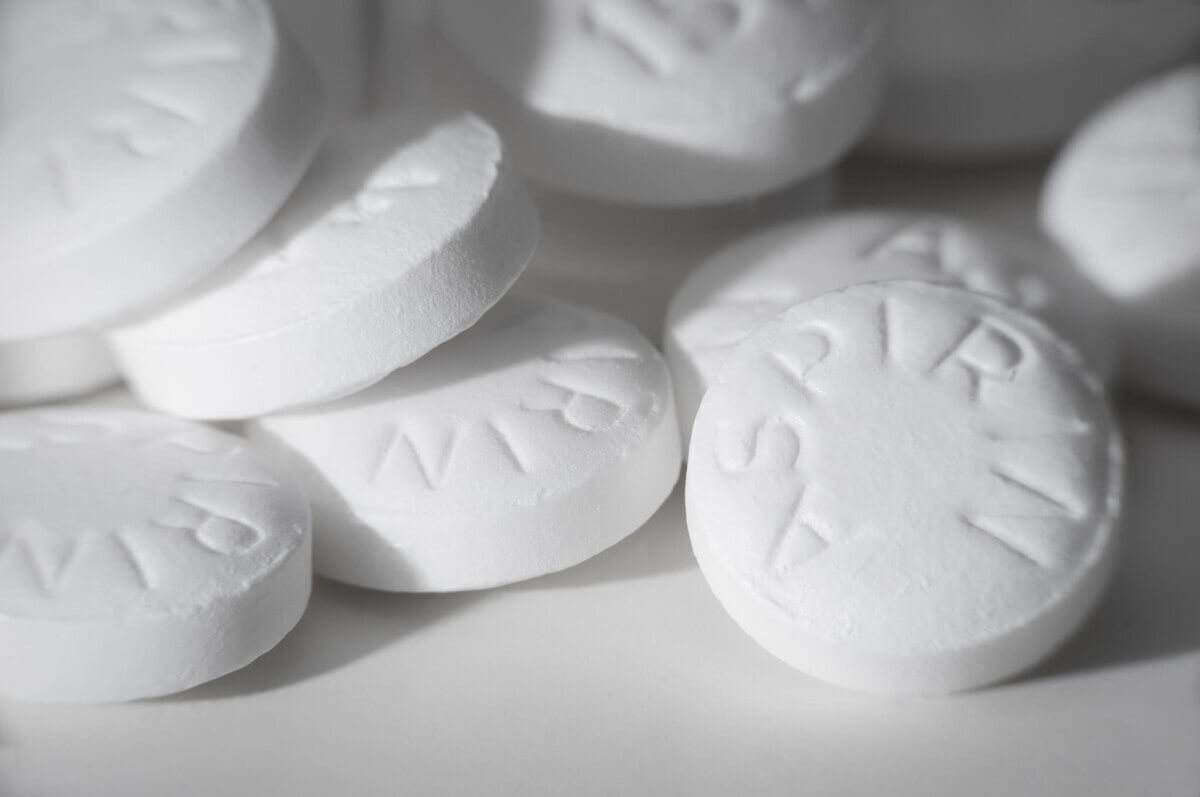
(© blueskies9 - stock.adobe.com)
MINNEAPOLIS — For years, doctors have been prescribing aspirin to help lower the risk of a heart attack or stroke. A new study has unfortunately revealed one thing taking aspirin doesn’t seem to prevent — dementia.
Research published in the journal Neurology, found that small doses of aspirin did not have a beneficial impact on the brain. Scientists had hoped a daily aspirin would lower the chances of developing dementia by reducing brain inflammation and minimizing blood clots.
The study followed 19,114 people for nearly five years. Most of the participants at least 70 years old and did not have any history of heart disease or dementia. To track their mental health, the seniors were given thinking and memory tests throughout the project.
Although some of the patients were given low-dose aspirin and some were given a placebo, researchers say there was no difference between the two groups and who started suffering from mental impairments.
“Unfortunately, our large study found that a daily low-dose aspirin provided no benefit to study participants at either preventing dementia or slowing cognitive decline,” study author Joanne Ryan of Monash University’s School of Public Health in Melbourne, Australia said in a statement.
Ryan says 575 people involved in the study eventually developed dementia. Researchers also noted that taking aspirin could increase the risk of bleeding in the brain, so getting proper advice from a doctor is important.
Ryan adds that it’s possible 4.7 years was not long enough to see the full effect of aspirin on brain health. The scientists plan to continue monitoring the participants to see if there’s any change in the years to come.


