(Photo by Unsplash+ in collaboration with Getty Images)
Pre-Massage Sugar Intake Keeps the Stress System Running, Research Finds
In A Nutshell
- German researchers found that drinking a sugary beverage before a massage kept the body’s fight-or-flight system elevated, preventing a key physical marker of full relaxation.
- Both massage and rest still activated the calming branch of the nervous system regardless of sugar intake, so relaxation wasn’t erased, just physically incomplete.
- Higher blood sugar was linked to better performance on a timed attention test, pointing to a trade-off between short-term mental sharpness and physical recovery.
- Results raise practical questions for anyone who pairs sugary drinks or snacks with yoga, spa treatments, or other relaxation routines.
Most people treat a massage as a reliable escape from stress. But new research out of Germany suggests something as small as what someone drinks beforehand can quietly undermine the body’s ability to fully unwind. Scientists at the University of Konstanz found that consuming glucose, the sugar that floods the bloodstream after a soda, juice, or sweet snack, kept part of the body’s fight-or-flight system more active than expected during a relaxation massage.
Millions of people reach for a sweetened coffee or energy drink without a second thought, then wonder why they still feel wired after supposedly relaxing. This study may help explain why the body doesn’t fully power down, even when the setting is calm and the massage itself should be doing the work.
Published in the International Journal of Psychophysiology, the experiment tested whether blood sugar levels interfere with the heart’s ability to shift into a calmer state during massage and rest. Glucose didn’t block every relaxation pathway, but it selectively targeted the branch of the nervous system responsible for revving the body up, and held it there.
Inside the Sugar and Massage Study
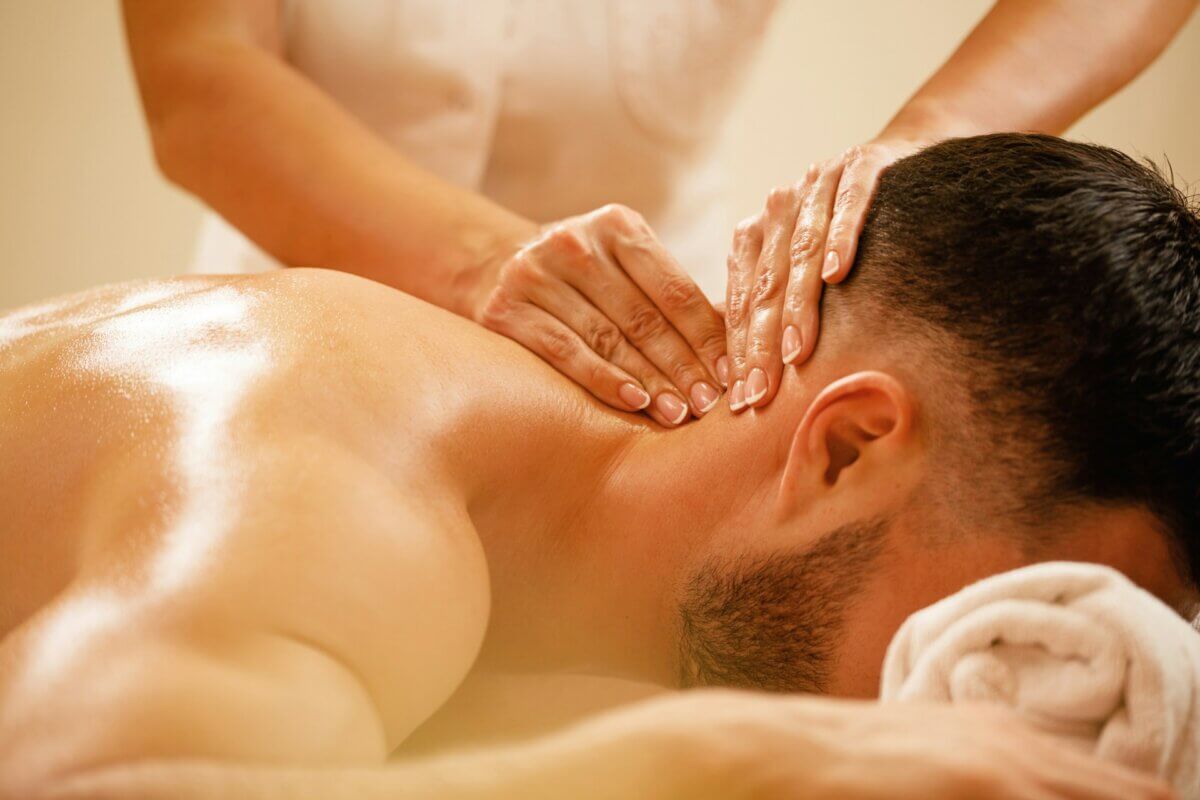
Researchers recruited 100 healthy adults, mostly in their early twenties, and randomly divided them into four groups. After fasting for at least four hours, each participant drank either a glass of water mixed with 75 grams of glucose, roughly the sugar equivalent of two cans of regular soda, or plain water. Half then received a 10-minute standardized shoulder and neck massage, while the other half sat quietly with eyes closed in the same position.
Throughout the session, scientists tracked blood sugar, blood pressure, heart rhythm, and a specialized measurement that captures how forcefully the heart is being driven by stress-related nerve signals. Participants also reported how aroused or relaxed they felt at several points. After the massage or rest period, everyone completed a timed attention test requiring them to quickly identify specific symbols under time pressure, giving researchers a window into whether the earlier treatments affected mental performance.
After excluding a handful of participants due to equipment issues, the final analysis included 94 people. For the heart-force measurement, which required additional electrode data from the same monitoring setup, the usable sample narrowed to 71.

What Sugar Does to the Body During a Massage
Both the massage and quiet rest successfully activated the body’s rest-and-digest system, the calming branch of the nervous system. Heart rhythm patterns associated with relaxation increased during both treatments, and the massage produced a notably stronger effect. Participants also reported feeling less keyed up afterward.
Sugar, however, activated the fight-or-flight system, as measured by how forcefully the heart was being driven by stress-related nerve signals. In the glucose groups, that stress-side pressure stayed elevated even during the massage.
Participants who drank water before their massage showed a clear withdrawal of fight-or-flight activity, meaning their bodies genuinely downshifted. Those who drank glucose before the same massage did not show this withdrawal. Sugar essentially prevented one of the body’s key physical signs of deep relaxation from fully kicking in.
Crucially, glucose did not appear to interfere with the calming branch of the nervous system. Relaxation-linked heart rhythm patterns increased across all groups regardless of what participants drank. So sugar wasn’t a total relaxation blocker; it was selective, keeping the stress-activation side elevated while leaving the calming side mostly intact.
Sugar, Focus, and the Trade-Off Worth Knowing
After the massage or rest period, all participants tackled the attention test. Stress-response activity spiked across the board during this demanding task, which makes physiological sense, as the body mobilizes energy when mental effort is required. Higher blood sugar levels were associated with better performance in this study, aligning with existing research suggesting the brain handles certain tasks better when glucose is abundant.
But that short-term cognitive edge came with a physiological cost. While sugar may have sharpened focus during the attention test, it simultaneously prevented the body from fully relaxing during the preceding massage. Previous research has linked poor recovery after stress to higher cardiovascular risk, which gives these findings more context.
Sugar and Relaxation Routines: A Practical Consideration
Whether it’s a sweetened tea before yoga, a granola bar before a spa appointment, or a sports drink before a cooldown stretch, glucose circulating in the bloodstream may be quietly working against the body’s relaxation machinery. Mood still improved and the calming nervous system still responded in the sugar groups, so the experience of relaxation wasn’t erased. But failing to fully dial down the fight-or-flight response could mean people aren’t getting the complete physiological benefit they’re counting on.
Granted, 75 grams of glucose dissolved in water is a controlled laboratory dose, not a typical snack. And participants were young, healthy university students, not middle-aged adults managing chronic stress. Still, the underlying biology, that blood sugar can activate the fight-or-flight system and may make it harder for that response to settle during relaxation, is likely not limited to a lab setting, though more diverse populations would need to be studied.
For anyone who routinely pairs sugary food or drinks with a relaxation practice, that biology makes a straightforward case: the body has a harder time letting go when it’s still running on a surge of sugar.
Disclaimer: This article is based on a single laboratory study conducted with a specific population of young, healthy adults. Findings may not apply to all individuals. Content is intended for informational purposes only and does not constitute medical advice.
Paper Notes
Limitations
Several limitations are worth noting. Participants were mostly young, healthy university students with an average age of around 23 and over 71 percent female, which limits how broadly the results apply to older adults or people managing chronic conditions. Nearly all participants correctly guessed whether they received sugar or water, so the study was not truly blinded from the participant perspective, and expectations about sweetness may have shaped responses. The 75-gram glucose dose is a standardized laboratory protocol and doesn’t reflect typical dietary habits. Because the glucose drink was sweet and the water was not, the study couldn’t separate the effects of caloric load from those of sweet taste. Data loss from the heart-force measurement was substantial, dropping the usable sample from 94 to 71, which reduced statistical power. Missing values for the remaining participants were filled using sample averages, introducing potential bias. Sessions were held only at 3 PM or 5 PM to control for daily biological rhythms, limiting generalization to other times of day. Physical activity and fitness levels were not assessed or controlled for. Finally, the attention test always followed the relaxation treatment, so the sequence of tasks may have influenced results.
Funding and Disclosures
Jens Pruessner received funding from the Committee of Research (AFF) of the University of Konstanz. Maria Meier received funding from the Konstanzia Fellowship of the University of Konstanz. Authors report no competing interests.
Publication Details
Title: “The effect of glucose on cardiac reactivity to a standardized massage in healthy adults” | Authors: Maria Meier, Eva Unternaehrer, Stephanie J. Ashcraft, Bernadette F. Denk, Raphaela J. Gaertner, Elea S.C. Klink, Stella Wienhold, Nina Volkmer, and Jens C. Pruessner | Affiliations: Department of Psychology, University of Konstanz, Germany; Child- and Adolescent Psychiatric Research Department, University Psychiatric Clinics Basel (UPK), University of Basel, Switzerland; Department of Psychology, University of Montana, United States; Centre for the Advanced Study of Collective Behaviour, Konstanz, Germany | Journal: International Journal of Psychophysiology, Volume 224, 2026, Article 113367 | DOI: https://doi.org/10.1016/j.ijpsycho.2026.113367 | Preregistration: Open Science Framework, October 28, 2022 (https://osf.io/jw4yv)


