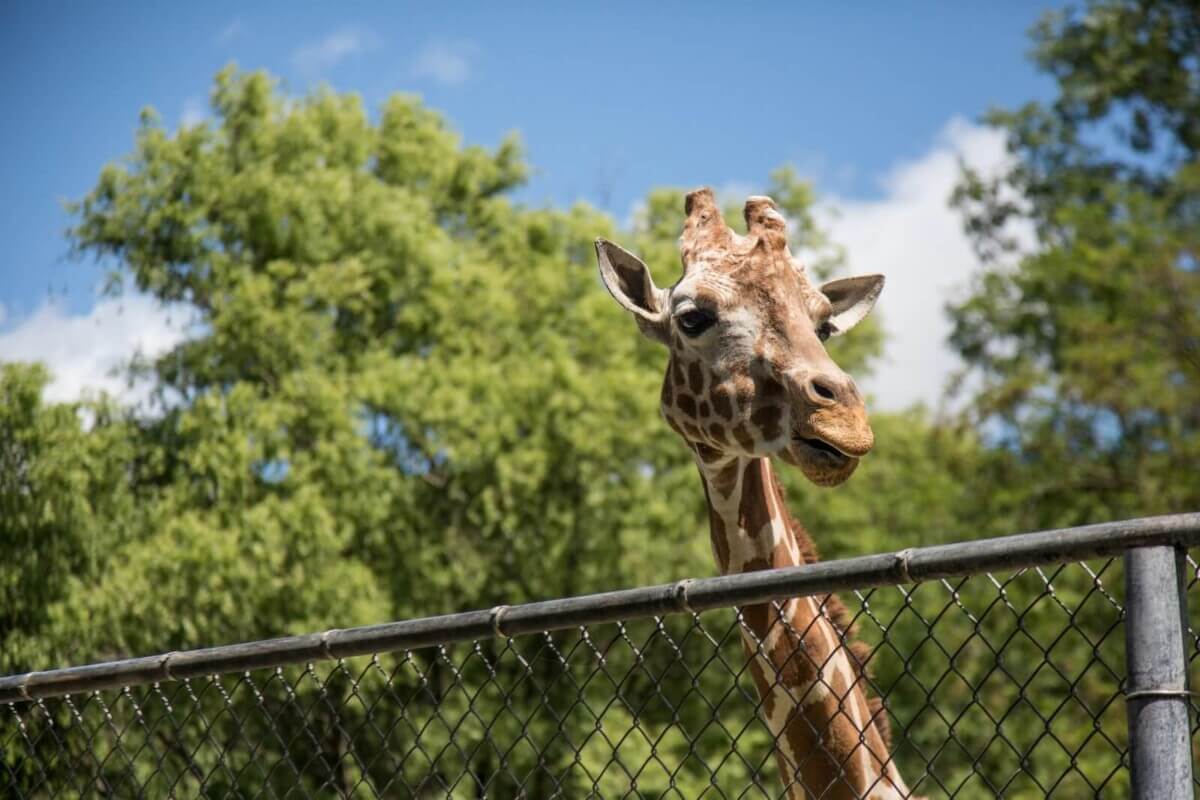
(Photo by Alexander Ross on Unsplash)
EXETER, United Kingdom — Picture your last visit to the zoo. The excited squeals of children, the constant chatter of families, the occasional burst of laughter at a penguin’s antics or a monkey’s acrobatics. Now imagine something different: the same zoo, but whisper-quiet, like a library or art gallery. Sound strange? A new study suggests this radical reimagining of the zoo experience might actually help fulfill these institutions’ core missions of conservation, education, and animal welfare.
Researchers from the University of Exeter and the University of St. Andrews have proposed a provocative idea in their latest paper: perhaps we should all keep quiet at the zoo. Their argument isn’t just about giving the animals some peace and quiet (though that’s part of it). Instead, they suggest that fostering a culture of quietness could transform how we interact with and learn from the magnificent creatures in our care.
The timing of this research is particularly interesting, as it was partly inspired by an unexpected experiment: the COVID-19 lockdowns. When zoos were forced to close their doors in 2020, something remarkable happened. The usual cacophony of human voices fell silent, leaving only the natural sounds of the animals themselves. While this silence was devastating for zoos’ finances, it offered a unique glimpse into how these spaces might function differently.
So, why should zoos be quiet?
The researchers draw fascinating parallels with other public spaces where we instinctively lower our voices: libraries, art galleries, memorial sites, and even hospitals. Each of these places maintains a culture of quietness for specific reasons that, surprisingly, align with zoos’ stated missions.
“During quiet appreciation people can still experience enjoyment, even fun, and quietness is best suited to the learning and conservation aims of zoos,” says study co-author Dr. Alexander Badman-King, a lecturer in philosophy at Exeter, in a statement. “If we say, ‘Here are some animals which we are keeping in captivity so that you can come and appreciate them in a respectful way and learn about the plight of their wild counterparts’, then we are engaging in a very different kind of activity from the more conventional ‘fun day out’ way of thinking about zoo visits.”

Consider how we behave in an art gallery. We speak in hushed tones not just out of courtesy to others but because quiet contemplation allows us to better appreciate the artworks before us. The researchers suggest this same principle could apply to zoo animals. When we’re quiet, we’re more likely to notice subtle behaviors, to truly observe and connect with the creatures we’re watching, rather than treating them as mere entertainment.
The study, published in Ethics in Science and Environmental Politics, goes deeper, drawing on philosophical concepts about attention and love. The researchers cite philosopher Iris Murdoch’s idea that truly paying attention to something – really focusing on it rather than on ourselves – is a form of love. In this context, being quiet isn’t just about reducing noise; it’s about shifting our focus from our own experience to really seeing and appreciating the animals before us.
This ties into one of the most thought-provoking aspects of the research: the suggestion that zoos might need to reconsider their current entertainment model. While most zoos market themselves as places for a “fun day out,” the researchers argue this might sometimes conflict with their deeper educational and conservation missions. After all, how do you properly contemplate the sobering reality of species extinction while treating the zoo like a theme park?
That’s not to say zoos should become somber places. Instead, the researchers suggest a more nuanced approach, perhaps offering designated quiet times or areas where visitors can experience the animals in a different way. When the research team conducted experimental quiet visits to two U.K. zoos, they found many participants were willing to pay extra for such experiences, appreciating the opportunity for a more mindful, peaceful encounter with the animals.
“It is important not to misconstrue this suggestion as being an oddly macabre insistence that everyone should be miserable when they visit zoos,” says Badman-King. “Zoos must and should communicate some unpleasant facts, they also show us profound beauty, the almost unfathomable wonder of the natural world, and yes, the funny, cute and intimidating forms and behavior of these animals. An attitude of appreciation, one which is coterminous with being quiet, fits this complex mixture of experiences far better than a culture of zoogoing which regards noise as normal.”
The study also points out an interesting parallel with hospital gardens, which historically were designed as places of quiet healing and contemplation. Early urban zoos served a similar purpose, offering city dwellers a peaceful retreat from the noise and bustle of industrial life. In our increasingly hectic world, perhaps it’s time to reclaim some of that original purpose.
The researchers acknowledge that implementing a culture of quietness would be challenging and probably shouldn’t be universal. Different species might warrant different approaches, and there’s certainly still room for the joy and excitement that currently characterize most zoo visits. But their work suggests that by occasionally turning down the volume, we might actually enhance both the visitor experience and the educational impact of these vital institutions.
After all, in our noisy world, sometimes the most profound connections happen in silence.
Paper Summary
Methodology
The researchers approached this study from multiple angles. They conducted extensive literature reviews comparing zoos to other public institutions where quietness is the norm, like libraries and art galleries. They also carried out practical experiments at two UK zoos (Paignton and Bristol), where they organized special quiet and silent visits with volunteer members of the public. These experimental visits were followed by focus groups to gather feedback about the experience. The research team also interviewed zoo staff about their perspectives on sound in the zoo environment and conducted systematic observations of animal behavior.
Key Results
The study found that participants in the quiet visits reported a more meaningful connection with the animals and a better appreciation of the educational aspects of the zoo. Many expressed willingness to pay extra for designated quiet visiting times. The research also revealed that zoo staff, who spend the most time with the animals, already practice a form of quiet attention in their work that could serve as a model for visitor behavior. The Covid-19 lockdown period provided additional evidence that some animals responded positively to reduced noise levels, though responses varied by species.
Study Limitations
The participants in the quiet visits were self-selecting and tended to be older, so their positive responses might not be representative of all potential zoo visitors. The research was conducted at only two UK zoos, so findings might not be generalizable to all zoo settings. The study also notes that implementing quiet periods could present practical challenges for zoos that rely on maintaining high visitor numbers for financial sustainability.
Discussion & Takeaways
The research suggests that zoos might benefit from offering more diverse visiting experiences, including quiet periods or zones. This could enhance their educational impact while potentially creating new revenue streams through premium quiet visiting times. The study emphasizes that quietness isn’t just about reducing noise, but about fostering a more attentive, appreciative approach to experiencing zoo animals. The researchers suggest that this could help zoos better fulfill their stated missions of conservation education and public engagement.
Funding & Disclosures
This research was supported by the Economic and Social Research Council (grant number ES/R009554/1) and was conducted in partnership with Bristol and Paignton zoos. The study was part of a larger project titled “Listening to the Zoo.”


