(Credit: ezps/Shutterstock)
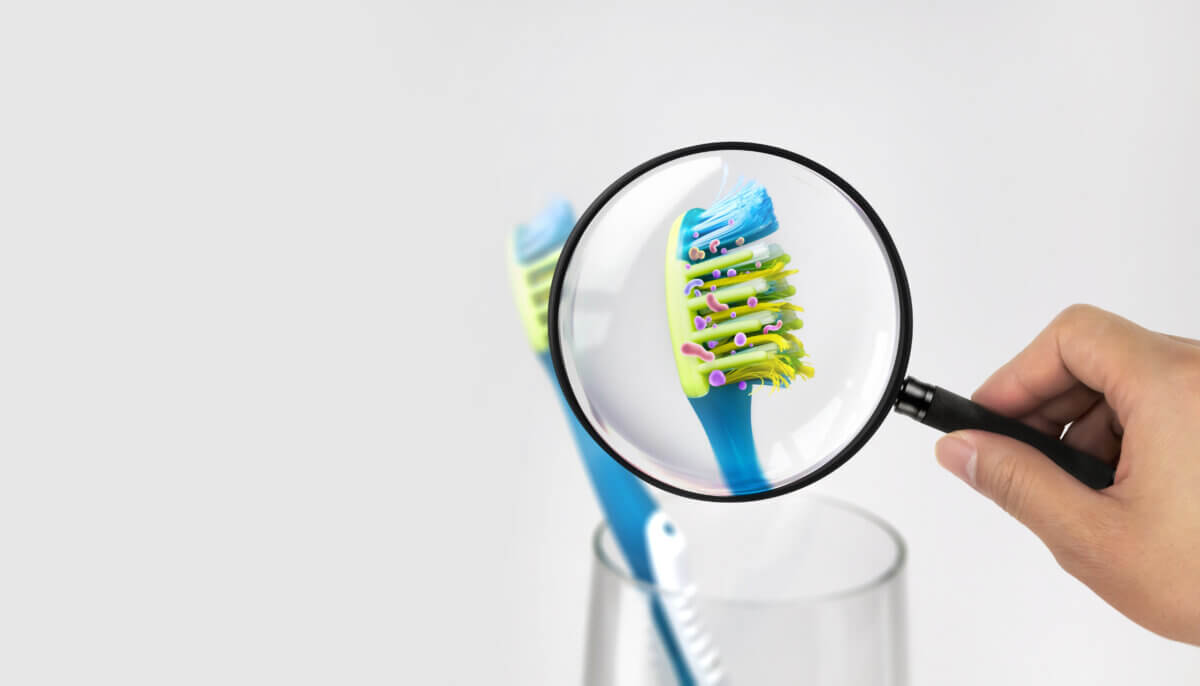
EVANSTON, Ill. — Researchers are giving us an unnerving look at the hidden world of microbes living in our bathrooms. Specifically, the study finds our showerheads and toothbrushes are teeming with viruses.
The study, published in Frontiers in Microbiomes, reveals that the microbial populations found on showerheads and toothbrushes are surprisingly distinct, despite both being located in bathrooms and regularly exposed to water. This finding challenges the notion that all bathroom microbes are created equal.
Researchers at Northwestern University analyzed 92 showerhead and 34 toothbrush samples from across the United States, using advanced DNA sequencing techniques to identify the bacteria and viruses present. The results paint a fascinating picture of the microbial world that surrounds us in our most private spaces.
“The number of viruses that we found is absolutely wild,” says Northwestern’s Erica M. Hartmann, who led the study, in a university release. “We found many viruses that we know very little about and many others that we have never seen before. It’s amazing how much untapped biodiversity is all around us. And you don’t even have to go far to find it; it’s right under our noses.”
One of the most intriguing discoveries was the presence of bacteriophages — viruses that infect bacteria — in both showerheads and toothbrushes. These tiny viral predators play a crucial role in shaping bacterial communities and may even influence our health in ways we don’t yet fully understand.
Interestingly, the study also found that toothbrushes harbor a more diverse range of microbes compared to showerheads. This difference is likely due to the variety of inputs toothbrushes receive, including bacteria from our mouths, food particles, and environmental microbes. Showerheads, on the other hand, are primarily exposed to tap water and thus host a more limited microbial community.
“We saw basically no overlap in virus types between showerheads and toothbrushes,” Hartmann explains. “We also saw very little overlap between any two samples at all. Each showerhead and each toothbrush is like its own little island. It just underscores the incredible diversity of viruses out there.”
The research team also identified several bacterial families that were common to both showerheads and toothbrushes, including Burkholderiaceae, Caulobacteraceae, and Sphingomonadaceae. These bacterial groups seem to thrive in both environments, suggesting they may be particularly well-adapted to bathroom conditions.
One surprising finding was the discovery of potentially novel bacteriophages, particularly those that infect Mycobacterium species. These newly identified viruses could have implications for controlling harmful bacteria and may even lead to new therapeutic applications in the future.
While the study didn’t find evidence of the viruses carrying antibiotic-resistance genes or known virulence factors, the researchers emphasize the need for further investigation. The high diversity of viral genes discovered suggests there’s still much to learn about the role of these microscopic entities in our everyday environments.
“Microbes are everywhere, and the vast majority of them will not make us sick,” Hartmann notes. “The more you attack them with disinfectants, the more they are likely to develop resistance or become more difficult to treat. We should all just embrace them.”
This research not only provides a glimpse into the invisible world that surrounds us but also raises important questions about how these microbial communities might impact our health and well-being. As we spend the majority of our time indoors, understanding the microbes in our built environments becomes increasingly crucial.
Paper Summary
Methodology
The researchers collected samples from showerheads and toothbrushes across the United States. They then extracted DNA from these samples and used advanced sequencing techniques to identify the genetic material present. This allowed them to create a detailed inventory of the bacteria and viruses in each sample. They also used sophisticated computer programs to analyze the data, looking for patterns and connections between different microbes.
Key Results
The study found that showerheads and toothbrushes have distinct microbial communities, with toothbrushes showing greater diversity. They identified over 600 different types of viruses, many of which were previously unknown. The researchers also discovered connections between certain viruses and bacteria, suggesting complex ecological relationships in these microscopic communities.
Study Limitations
The study was limited by its snapshot nature – it only looked at the microbial communities at one point in time rather than tracking changes over time. Additionally, the methods used may not have captured all the viruses present, especially those in low abundance. The researchers also note that technical issues in sample collection and processing could have influenced the results.
Discussion & Takeaways
The researchers emphasize the importance of understanding microbial communities in our everyday environments. They suggest that future studies should look at how these communities change over time and how they might affect human health. The discovery of potentially new viruses, especially those that infect Mycobacterium species, could lead to new ways of controlling harmful bacteria.
Funding & Disclosures
The study was supported by computational resources from Northwestern University and a National Science Foundation Graduate Research Fellowship. The researchers declared no conflicts of interest.


