
(© fizkes - stock.adobe.com)
In A Nutshell
- Defiance isn’t always loud: It can be as subtle as calmly saying “no,” asking for clarification, or pausing when pressured to comply.
- Compliance is the default: People often stay silent due to “insinuation anxiety,” the fear that refusal will signal distrust or disloyalty.
- A practice, not a trait: Defiance is a skill you can strengthen over time by anchoring actions in your core values and practicing small acts of resistance.
- The Defiance Compass: A 3-question framework (“Who am I?” “What type of situation is this?” “What does someone like me do?”) helps guide when and how to resist.
- Why it matters today: In workplaces, politics, and daily life, learning to defy wisely protects personal integrity, strengthens institutions, and sustains democracy.
You’re in a meeting when your boss suggests changing a number to make the quarterly report look stronger. Heads nod. The slides move on. You feel a knot in your stomach: Do you speak up and risk being branded difficult, or stay silent and become complicit?
Most people picture defiance as dramatic outbursts. In reality, it’s often these small, tense moments where conscience collides with compliance.
I first saw the power of defiance not in the workplace, but closer to home. My mother was the ultimate people-pleaser: timid, polite, eager to accommodate. Barely 4 feet, 10 inches tall, she put everyone else’s needs above her own. But one day, when I was 7, I saw a different side to her.
We were walking home from the grocery store in West Yorkshire, England, when a group of teenage boys blocked our path in a narrow alleyway. They hurled racist insults and told us to “go back home.”
My reaction was instantaneous: Stay quiet, avoid conflict and get past them as quickly as possible. I grabbed my mother’s arm, urging her to move with me. But she didn’t. My quiet, deferential, never-confrontational mother did something completely different. She stopped, turned and looked the boys directly in the eyes. Then she asked, calmly but firmly, “What do you mean?”
She wasn’t loud or aggressive. And in that moment, she showed me that defiance doesn’t always roar, and it can come from the people you least expect.
I’ve carried these lessons into my work as a physician-turned-organizational psychologist. For decades, I’ve studied why people comply, staying silent when they don’t want to, and how they can resist wisely. In my book “Defy: The Power of No in a World that Demands Yes,” I offer a framework based on behavioral science research that can help you defy in ways that are intentional, effective and true to your values.

What Defiance Really Is
When people think of defiance, they often picture teenagers slamming doors, protesters shouting in the streets or rebels breaking rules just for the thrill of it. But that’s not the kind of defiance I study or the kind that shapes our lives most often.
Defiance is not about being oppositional for its own sake. It’s about choosing to act in line with your values when there is pressure to do otherwise.
That pressure can come from anywhere: a boss urging you to fudge the numbers, a friend nudging you toward something you don’t believe in, a culture telling you to stay in your place. Defiance in those moments might be as small as saying “no,” asking for clarification or simply pausing instead of rushing along with the group. Other times, it means speaking up, challenging authority or maybe walking away.
Seen this way, defiance isn’t a fixed trait that some people are born with and others lack. It’s a practice: a skill you can strengthen over time. Some days you might comply, other days you might resist. What matters is that you have the awareness and the tools to make the choice consciously, rather than letting fear or habit decide for you.
Why People Comply
If defiance is so important, why do people so often stay silent?
One reason is a psychological process I’ve uncovered in my research: insinuation anxiety. It arises when people worry that not complying with another person’s wishes may be interpreted as a signal of distrust. Turning down a boss’s request to “adjust” the numbers might feel like you’re implying they’re dishonest. To avoid that discomfort, you go along – even when it violates your values.
Behavioral science has long documented this pull toward compliance. In the 1960s, for example, psychologist Stanley Milgram showed that ordinary people would administer what they believed were dangerous electric shocks to strangers simply because an authority figure told them to.
My own research has shown surprisingly high levels of compliance with obviously bad advice, even when given by a stranger with no consequences for disagreeing. People feel immense social pressure to go along with what others suggest. That’s because if you’ve never been trained in how to say no, it feels uncomfortable and awkward.
A Framework For Action
If compliance is the human default, how can you build the muscle of defiance? In my research, I’ve developed a simple actionable guide that I call the Defiance Compass. Like a navigation aid, it orients you in difficult situations by asking three questions:
- Who am I? What are the core values that matter most to me?
- What type of situation is this? Is it safe to resist? Will it have a positive impact?
- What does a person like me do in a situation like this? How can I take responsibility and act in a way that’s consistent with my identity and values?
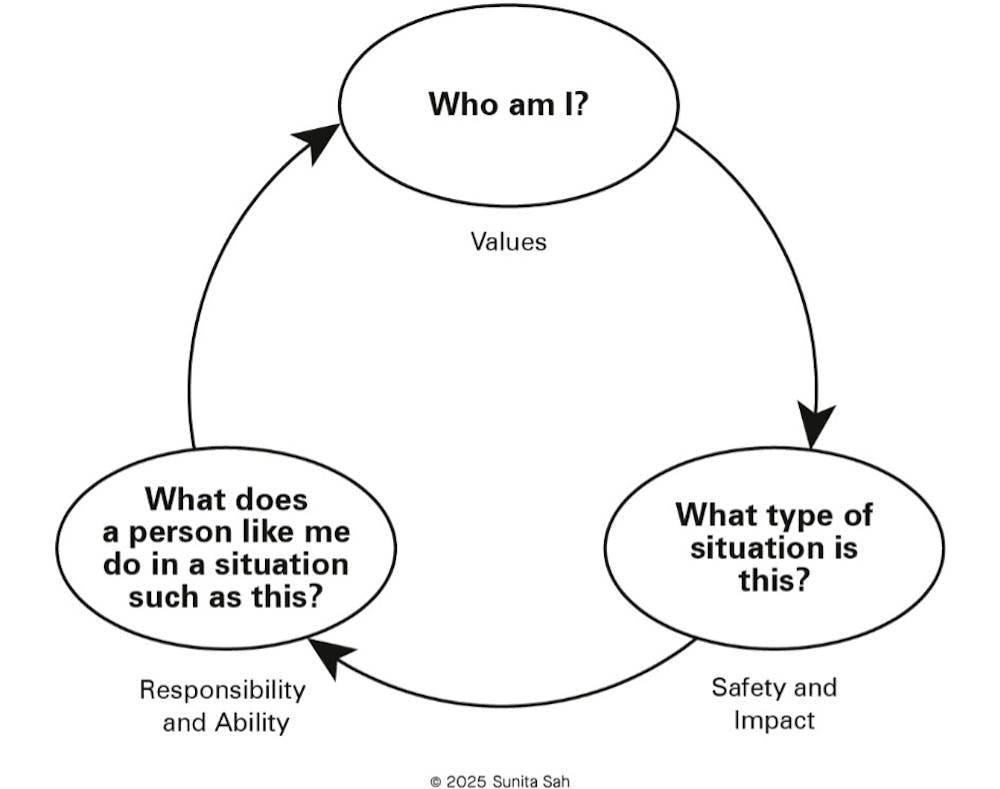
Asking these questions shifts defiance from a gut reaction to a conscious practice. And here’s what’s important: That third question (“What does a person like me do?”) circles back to the first (“Who am I?”), because how you act again and again becomes who you are.
Defiance doesn’t always mean open confrontation. Sometimes it means asking a clarifying question, buying time or quietly refusing. It can mean speaking up or walking away. The key is to start small, practice regularly and anchor your choices in your values. Like any skill, the more you practice, the more natural it becomes.
Why Defiance Matters Now
Defiance may be risky, but it’s never been more relevant. At work, employees are pressured to meet targets at any cost. In politics, citizens face waves of misinformation and polarization. In everyday life, people struggle to set healthy boundaries. Across all these contexts, the temptation to comply for the sake of comfort is strong.
That’s why learning to defy strategically matters. It protects personal integrity, strengthens institutions and helps sustain democracy. And it doesn’t require being loud or confrontational.
Of course, not every act of defiance is safe or guaranteed to make a difference. Sometimes it comes at real personal cost and some people still choose to act even when the impact isn’t certain: think of Rosa Parks refusing to give up her seat, or Colin Kaepernick taking a knee. In those moments, the act itself becomes the message. Both of those individuals were deeply connected to their values and the assessment is personal: What feels worth the risk to one person might not to another.
Defiance does require practice: noticing when values are at stake, pausing before you nod along, and choosing actions that align with who you want to be. Each act of consent, compliance or defiance shapes not just your story but the stories of our societies.
If you practice defiance, and teach it and model it, you can imagine a different type of society. You can start to envision a world where, in that same alleyway from my childhood, one of the boys will step forward and tell his friends, “That’s not OK. Let them pass.”
Sunita Sah, Professor of Management and Organizations, Cornell University. She does not work for, consult, own shares in or receive funding from any company or organization that would benefit from this article, and has disclosed no relevant affiliations beyond their academic appointment.
This article is republished from The Conversation under a Creative Commons license. Read the original article.


