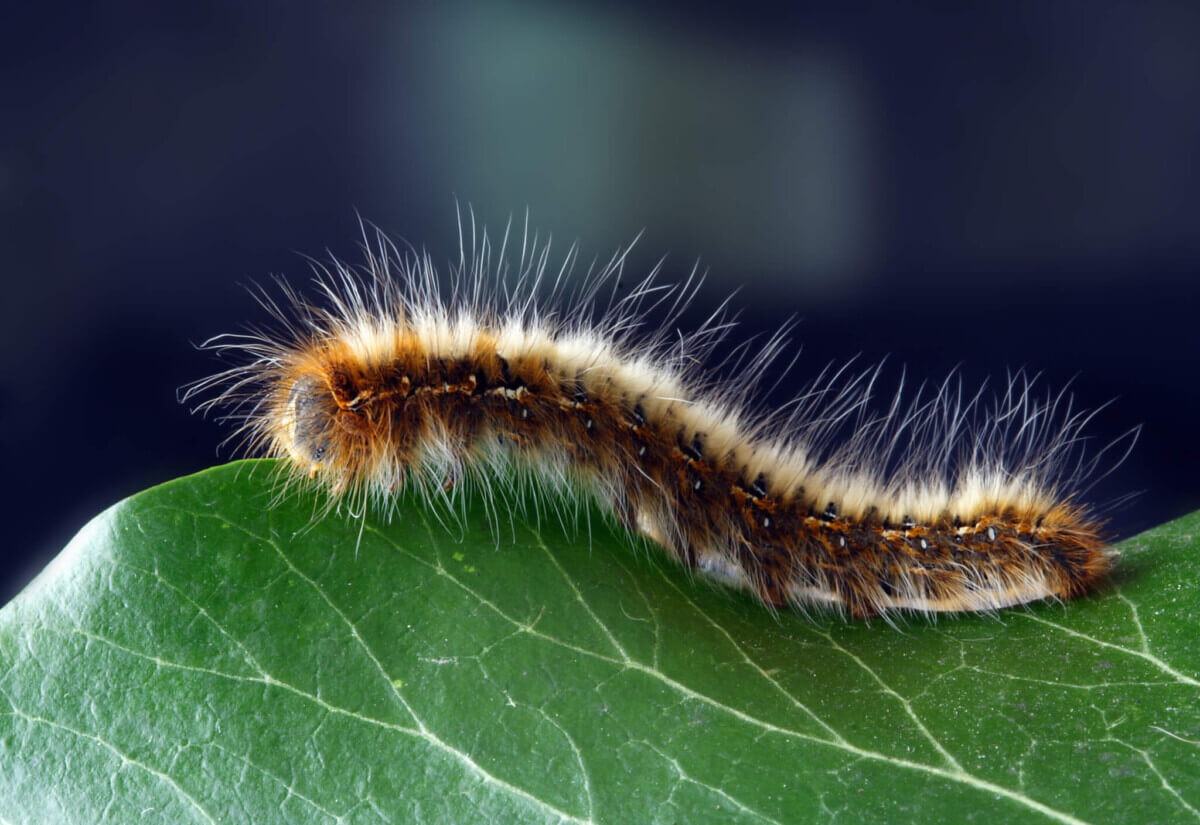
SHEFFIELD, England — Pollution is leaving a bad taste in the mouths of caterpillars.
A new study out of University of Sheffield shows that pollution in urban centers is making plants taste worse. This, researchers say, is likely harming populations of many creatures and sending a cascade of problems throughout ecosystems.
“Many people may be aware that insect pollinators, such as the thousands of species of bees, along with flies, moths and butterflies, are crucial for food production, but they also ensure the long-term survival of wildflowers, shrubs and trees,” says study author Stuart Campbell, explaining the far-reaching implications of the finding in a press release.
In the experiment, researchers exposed tobacco plants to the same heightened levels of nitrogen dioxide (NO2) found in dense cities. After doing this, they found the plants were better able to defend against the tobacco hornworm caterpillar by producing more foul tasting chemicals. As a result, the leaf eating insects were much less healthy than normal.
“Insects that feed on plants (herbivorous insects) help return plant nutrients to the soil, and are themselves food for wild birds, reptiles, mammals, and yet more insects,” Campbell says. “Insects are also immensely important for decomposing decaying organic matter and maintaining healthy soils. Scientists are warning about massive declines in insect numbers, which should be incredibly alarming to anyone who values the natural world and our sources of food.”
Indeed, many earlier studies have shown that other types of nitrogen pollution are causing steep declines in plant diversity due to altered soil chemistry and disruptions to the way plants compete for resources. But, when it comes to higher order life like insects and their predators, scientists say data is lacking on the effects of nitrogen pollution and more studies like this latest one are needed.
“Nitrogen dioxide is a major component of smog and is an example of pollution caused from human activity, particularly our reliance on fossil fuels…” Campbell elaborates. “Our research shows another example of the dangers of pollution to our environments and the reasons why we need to make a united effort to tackle it.”
A side-note of this study that may be of particular interest to smokers and tobacco companies: one of the defensive poisons produced in greater quantities due to increased NO2 exposure was nicotine — the chemical responsible for both tobacco’s stimulating buzz and deadly addictiveness. In fact, authors note, nicotine levels “were on average 45% higher under NO2 exposure.”
The study was coauthored by Dena Vallano of Cornell University and the U.S. Environmental Protection Agency. The full research paper was published in the journal Nature.


