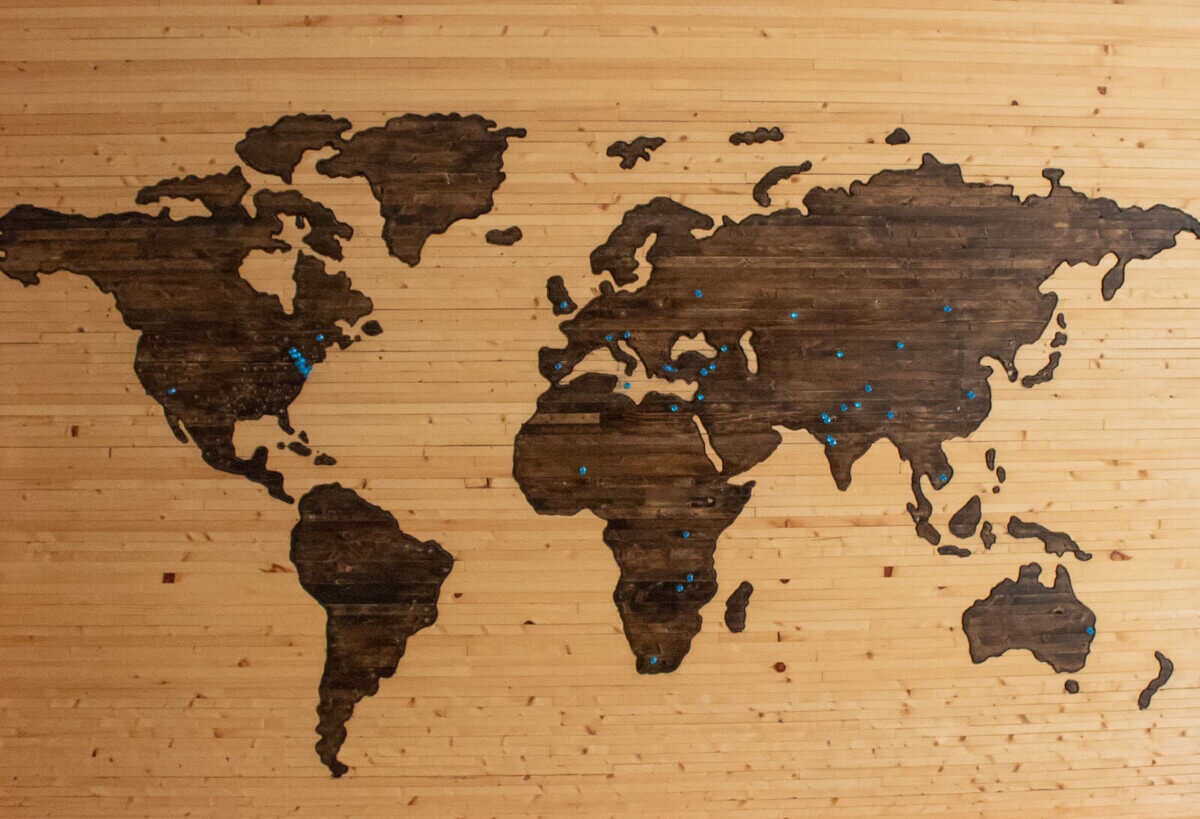
Photo by Brett Zeck from Unsplash
VANCOUVER, British Columbia — Plate tectonics didn’t play the pivotal role in the formation of Earth’s continents as once thought. A seminal discovery from geoscientists at the University of British Columbia reveals that the continents actually developed through internal geological processes within ancient oceanic plateaus.
During the Archean Eon, which spanned from 2.5 to four billion years ago, the Earth’s early crust was primarily formed from a unique combination of granitoid rocks known as tonalite, trondhjemite, and granodiorite (TTG). These rocks have been central to understanding the early continental formation, but their origins have remained elusive due to the complex geological processes they underwent from initial melting to final crystallization.
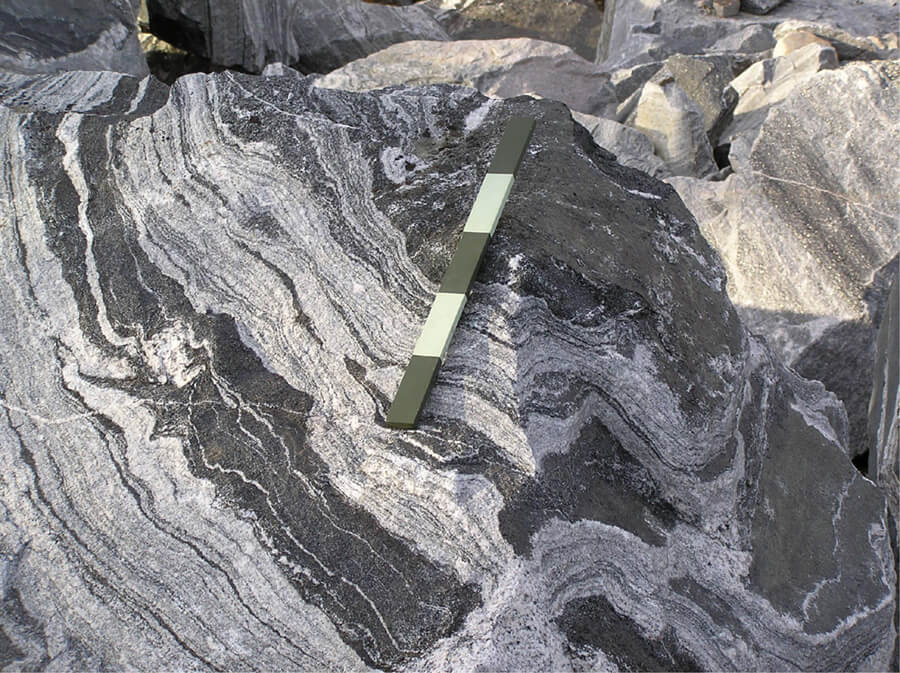
“We tracked a specific set of trace elements that aren’t affected by alteration and pristinely preserve signatures from the original magma that made new TTG crust,” says study author Dr. Matthijs Smit, an associate professor and Canada Research Chair at the University of British Columbia’s Department of Earth, Ocean and Atmospheric Sciences, in a university release. “These elements allowed us to look back through the chemical changes that TTG magmas go through and trace the melt compositions back to their initial state and source — most likely a sort of gabbro.”
Dr. Smit also notes this specific rock is found in many homes.
“Funnily enough, many people have varieties of this type of rock as a kitchen countertop,” says Dr. Smit. “In a way, many people are preparing their dinner on the type of rock that was responsible for making our modern continents.”
The significance of Archean TTG crust extends to the present day, as it still constitutes a substantial part of continents. For example, in North America, much of the Canadian Interior is composed of these ancient crustal fragments.
“All of these rocks — and especially their combination — can be explained by the model we present,” explains Dr. Smit. “Ours is a simple model in which TTGs, as well as the younger rocks that TTGs are typically associated with, resulted from the slow burial, thickening and melting of precursor crust that likely resembled oceanic plateaus. The continental crust was destined to develop the way it did, because it kept getting buried further and the rocks at its base had no choice but to melt. In doing so, they made the TTGs that proved a winning recipe for continental survival and growth.”
This new understanding refutes the previous theory that Archean TTGs were formed in Earth’s first subduction zones, marking the start of plate tectonics.
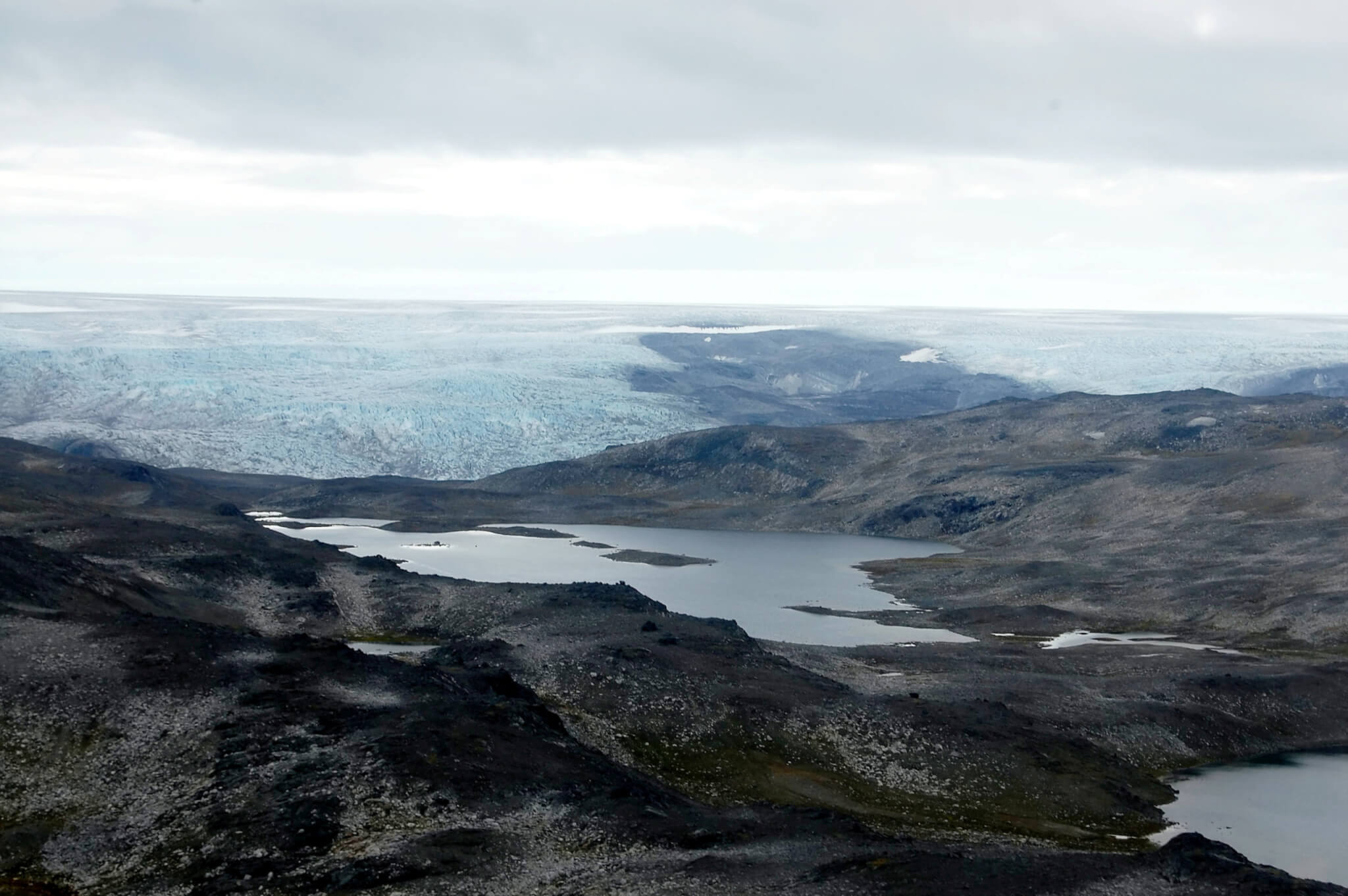
“There’s always been a ‘chicken-and-egg’ question of which came first — the start of plate tectonics or TTG magmatism to make new continental crust,” adds Dr. Smit. “We show that these things may actually not be directly related. The recognition of the type of source rock makes this leap possible and also takes away the need to have other mechanisms, such as meteorite impact, explain the growth of the first real continents.”
The University of British Columbia study utilized data from all the TTG samples ever analyzed, gathered from Archean cratonic fragments exposed globally. This comprehensive approach allowed them to filter out local anomalies and analytical issues, focusing on the actual compositional trends in the rocks. The data, available in the open-source Geochemistry of Rocks of the Oceans and Continents geochemical data repository hosted by Georg-August-Universität, Göttingen, has provided a new perspective on the development of Earth’s continents, independent of external factors such as meteorite impacts.
The study is published in the journal Nature Communications.
You might also be interested in:


