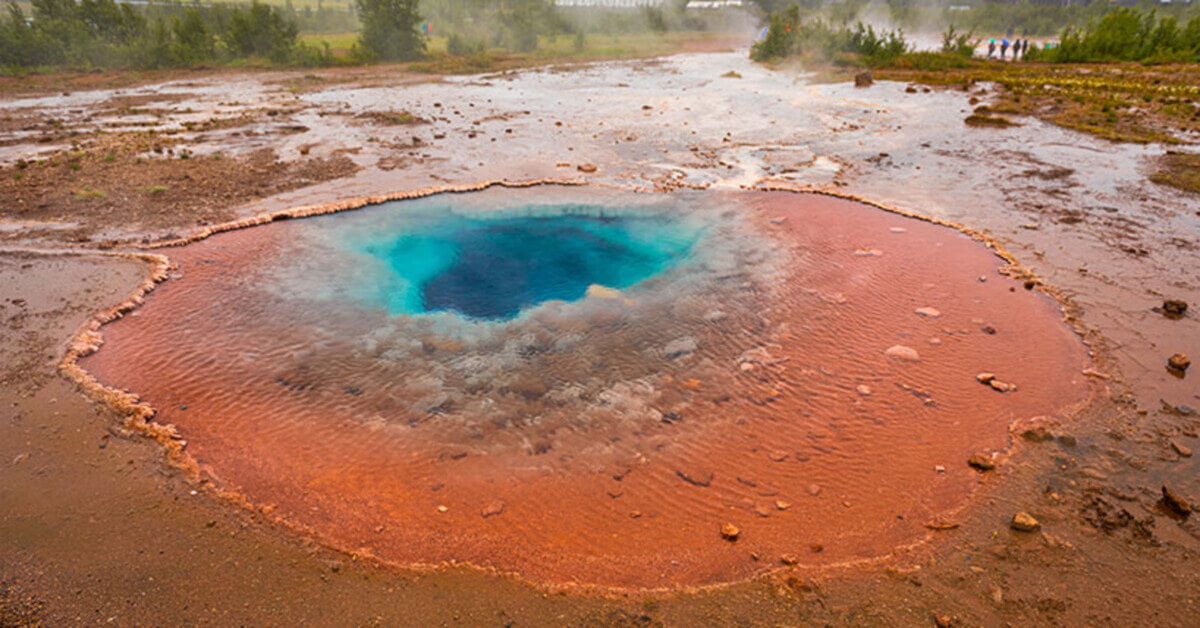
Thermal spring at Haukadalur Valley in Iceland. (credit: Newcastle University)
???? Key Findings:
- Living cells may have originated from non-living material 3.5 billion years ago
- The creation of fatty acids is critical for early cell development
- Similar events may be happening on icy moons in our solar system
NEWCASTLE, United Kingdom — Can ancient hot springs unlock the mysterious origins of life on Earth? That’s what Newcastle University scientists are banking on. Their new research explores how the first living systems emerged from non-living geological materials over 3.5 billion years ago.
The team’s discovery involves the creation of organic molecules, including long-chain fatty acids, crucial components of early cell membranes. These findings potentially explain a key step in the formation of life on Earth billions of years ago, suggesting a plausible origin for the organic molecules essential to ancient cell membranes.
Fatty acids are lengthy organic molecules with regions that both attract and repel water, naturally forming cell-like compartments in water. These molecules are believed to have been instrumental in making the first cell membranes. However, the origin of these fatty acids in life’s early stages remained a mystery. Researchers at Newcastle University propose that these molecules could have formed in hydrothermal vents, where hydrogen-rich fluids from underwater vents mixed with seawater containing carbon dioxide.
Replicating early Earth’s oceanic conditions in their lab, the team found that mixing hydrogen, bicarbonate, and iron-rich magnetite in a mild hydrothermal vent-like environment led to the formation of these vital molecules.
“Central to life’s inception are cellular compartments, crucial for isolating internal chemistry from the external environment. These compartments were instrumental in fostering life-sustaining reactions by concentrating chemicals and facilitating energy production, potentially serving as the cornerstone of life’s earliest moments,” says study lead author Dr. Graham Purvis, a postdoctoral research associate at Durham University, in a university release.
The study indicates that the interaction of hydrogen-rich fluids from alkaline hydrothermal vents with bicarbonate-rich waters on iron-based minerals could have precipitated the formation of early cell membranes. This process might have generated a variety of membrane types, some of which could have been the cradle of life as we know it.
“We think that this research may provide the first step in how life originated on our planet,” says study principal investigator Dr. Jon Telling, reader in biogeochemistry at Newcastle University’s School of Natural Environmental Sciences, in a university release. “Research in our laboratory now continues on determining the second key step; how these organic molecules which are initially ‘stuck’ to the mineral surfaces can lift off to form spherical membrane-bounded cell-like compartments; the first potential ‘protocells’ that went on to form the first cellular life.”
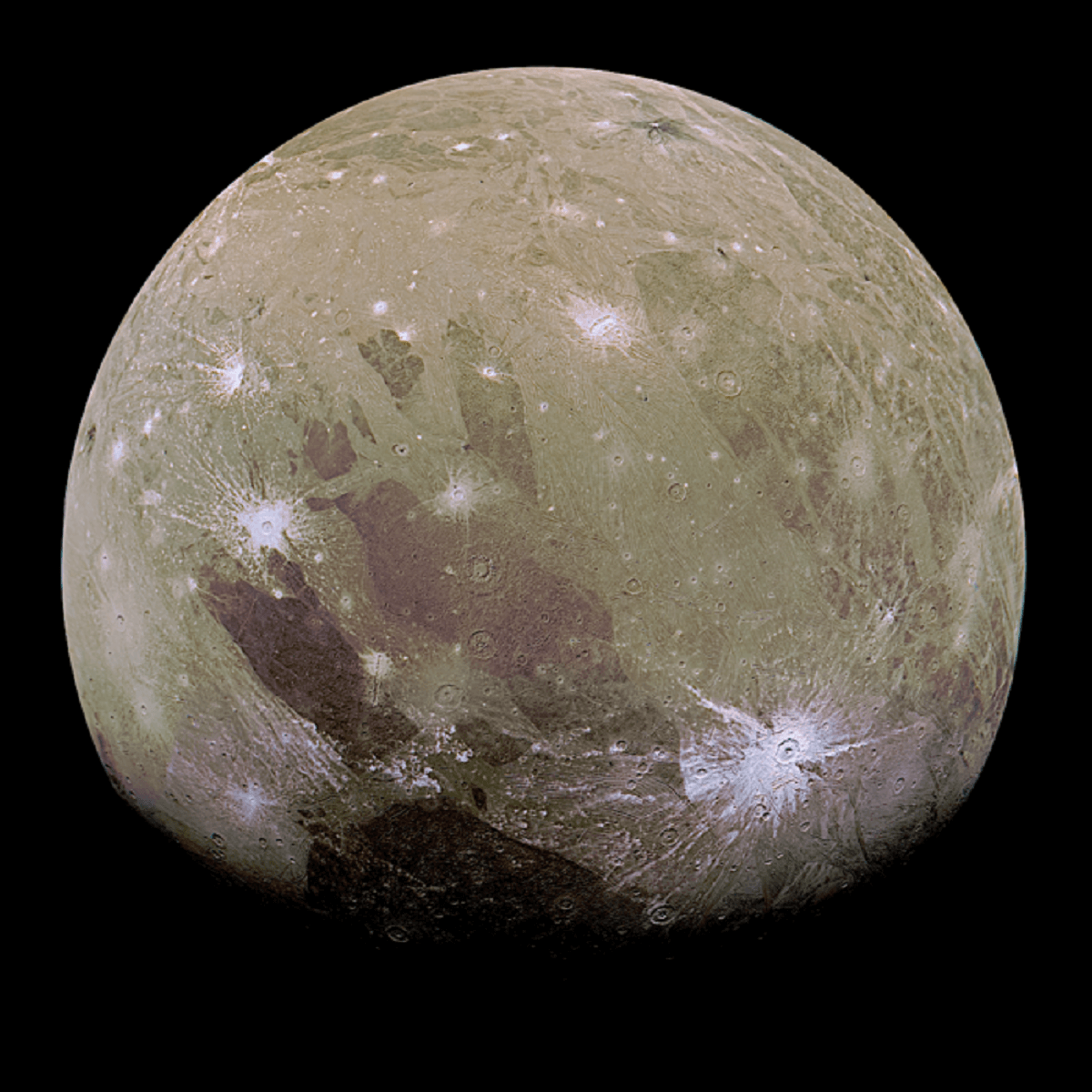
Interestingly, the research also suggests that similar membrane-creating reactions might still be occurring in the oceans beneath the icy surfaces of moons in our solar system, hinting at the possibility of life’s origins in these distant worlds.
This study not only provides insights into the genesis of life on Earth but also opens avenues for understanding the potential for life elsewhere in the universe.
The study is published in the journal Communications Earth & Environment.


