
(Credit: Antonio Guillem/Shutterstock)
LOS ANGELES — What if the solution to your medical bill woes was as simple as a conversation? A new study out of the University of Southern California challenges the silent resignation many feel when faced with daunting healthcare costs, revealing that those who speak up often come out ahead.
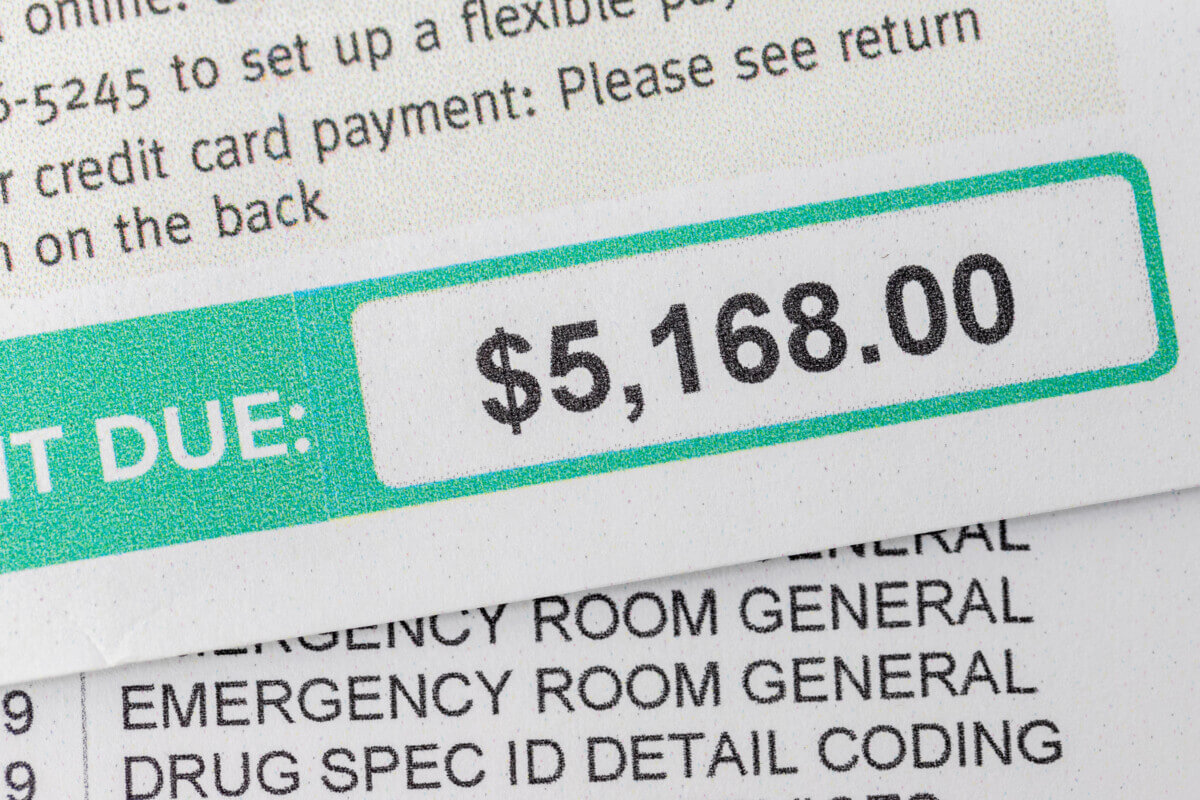
Imagine receiving a medical bill that makes your heart skip a beat – not from the ailment you were treated for, but from the eye-watering sum at the bottom of the page. Now, picture yourself tossing that bill aside, resigned to the fact that there’s nothing you can do about it. If this scenario sounds familiar, you’re not alone – but you might be making a $1,000 mistake.
The study, published in JAMA Health Forum, reveals that one in five Americans receives a medical bill they either can’t afford or disagree with. But here’s the kicker: only 61.5% of these individuals actually reach out to the billing office to address their concerns. The remaining 38.5% stay silent, potentially missing out on significant financial relief.
“Many people are hesitant to pick up the phone to question the accuracy of a problematic medical bill or explore financial options, but our findings indicate it’s worthwhile and typically takes less than one hour,” says lead author Erin L. Duffy, director of research training at the USC Schaeffer Center, in a media release.
This hesitation, it turns out, could be a costly mistake.
The study, which surveyed 1,135 U.S. adults, paints a picture of a healthcare system where self-advocacy is key, but not everyone is equally equipped to navigate it. Those without a college degree, with lower financial literacy, or lacking health insurance were significantly less likely to challenge problematic bills. This disparity suggests that the very people who might need financial relief the most are the least likely to seek it out.
For those who do muster the courage to pick up the phone, however, the rewards can be substantial. Among those who reached out about unaffordable bills, a whopping 76% received some form of financial relief. Even more impressively, 74% of those who questioned a billing error saw the mistake corrected. These aren’t just small victories – they represent real dollars saved and potential financial catastrophes averted.
The reasons for not reaching out are varied, but the most common (cited by 86.1% of those who stayed silent) was a belief that it wouldn’t make a difference. This pessimism, however, appears to be misplaced. The study found that most interactions with billing offices were positive, with the majority of people reporting they felt comfortable communicating and were treated with respect.
Interestingly, personality traits also play a role in who’s likely to challenge a bill. The study found that more extroverted individuals and those with less agreeable personalities were more likely to reach out. This suggests that the issue isn’t just about knowledge or resources but also about individual temperament and comfort with confrontation.
As medical debt continues to be a significant problem in the United States, these disparities in self-advocacy could be contributing to wider socioeconomic inequalities. Those who are already financially vulnerable may be accumulating more medical debt simply because they’re less likely or able to challenge problematic bills.
“Current healthcare billing practices generally require patients to practice a lot of self-advocacy, and those who cannot self-advocate well are missing opportunities for financial relief. Simpler billing processes and more transparency about financial options could make the system work better for patients,” says Erin Trish, a study co-author and Schaeffer Center co-director, in a media release.
The study’s findings underscore the need for systemic changes in how medical billing is handled. Potential solutions could include policies that require healthcare providers to proactively screen patients for financial assistance eligibility, or initiatives to provide more support and advocacy services for patients dealing with medical bills.
In the meantime, the message is clear: don’t let that intimidating medical bill gather dust on your kitchen counter. Pick up the phone, ask questions, and advocate for yourself. It might just be the most profitable hour you spend this year.
The message from this study is clear: when it comes to medical bills, silence can be costly. As we continue to debate and reshape our healthcare system, let’s not forget the power of the individual voice. By encouraging and equipping patients to speak up, we may find that the solution to our medical debt crisis has been within our grasp all along.
Paper Summary
Methodology
The researchers conducted a cross-sectional survey study using the Understanding America Study (UAS), a probability-based internet panel maintained by the University of Southern California. They surveyed 1,135 adults between August and October 2023, asking about their experiences with medical bills over the past year. The survey included questions about receiving problematic bills, reasons for not contacting billing offices, and outcomes for those who did reach out.
The researchers also collected demographic information and data on financial literacy and personality traits from previous UAS surveys. They used statistical techniques to analyze the relationships between various factors and the likelihood of receiving problematic bills and reaching out to billing offices. The responses were weighted to be nationally representative.
Key Results
The study found that 19.6% of respondents received a medical bill they couldn’t afford or disagreed with. Of these, 61.5% reached out to the billing office. Those with higher education, better financial literacy, and private insurance were more likely to reach out. Among those who reached out, many achieved positive outcomes: about 1 in 4 had their bill corrected, while about 1 in 7 received a payment plan or a price drop. Smaller numbers got financial help or had their bill canceled.
For those who reached out about an unaffordable bill, 76% received some form of financial relief. Of those who sought to negotiate, 62% said the price was dropped. Most people who contacted a billing office did so by telephone, and the majority reported the process took less than an hour.
Study Limitations
While the study provides valuable insights, it has some limitations. The sample size, though nationally representative, was relatively small at 1,135 respondents. The survey relied on participants’ recall of events from the past 12 months, which could be subject to memory bias.
Additionally, some of the data on respondent characteristics came from previous surveys, which might not perfectly reflect their current situation. The study also didn’t capture the full range of potential questions and experiences related to medical billing, leaving room for future research to expand on these findings.
Discussion & Takeaways
This study reveals significant disparities in how different groups respond to problematic medical bills. Those with less education, lower financial literacy, and no insurance are less likely to advocate for themselves, potentially missing out on opportunities for financial relief. However, for those who do reach out, the outcomes are often positive and can lead to significant financial benefits.
The researchers suggest that providing patients with more detailed written information about their bills and payment options when they’re billed could encourage more people to seek out relief. They also emphasize the need for simpler billing processes and more transparency about financial options to make the system work better for all patients.
Funding & Disclosures
The study was funded by the USC Schaeffer Center for Health Policy & Economics and a gift from Richard N. Merkin, MD. The authors disclosed various potential conflicts of interest, including grants and personal fees from various healthcare and pharmaceutical companies. However, these funders had no role in the design, conduct, analysis, or reporting of the study.


