
Your gut handles a whole lot more than lunch. (Photo by PeopleImages.com - Yuri A on Shutterstock)
Have you ever considered that gut health could be the key to unlocking your body’s full health potential? It’s not just about avoiding stomach aches or indigestion; the state of your gut has profound implications for your overall health, particularly your immune system. As a pharmacist, I can’t overstate how nurturing your gut can be a cornerstone for robust immunity and overall well-being.
The gut is often underestimated in its role as a guardian of health. It’s a bustling hub where trillions of bacteria and other microorganisms reside, forming a complex and dynamic ecosystem known as the gut microbiome. This microbiome is not just a passive collection of microbes; it’s actively involved in shaping and strengthening your immune system.
The relationship between the gut microbiome and the immune system is a two-way street. The microbiome educates and regulates the immune system, helping it differentiate between friendly and harmful invaders. A diverse and balanced microbiome is essential for maintaining this delicate balance. When the microbiome is disrupted, it can lead to an overactive or underactive immune response, making you more susceptible to infections and even autoimmune diseases.
What you eat significantly impacts your gut microbiome. Diets rich in fiber, found in fruits, vegetables, and whole grains, nourish beneficial gut bacteria. Fermented foods like yogurt, kefir, and sauerkraut introduce beneficial probiotics into your system, further enhancing gut health. Conversely, diets high in processed foods and sugars can disrupt the microbiome balance, weakening your immune defenses.
A healthy gut microbiome is a formidable barrier against pathogens. It helps in the production of certain vitamins and the absorption of nutrients, which are vital for immune function. Research has shown that a well-balanced gut microbiome can be instrumental in preventing a range of diseases, from the common cold to more serious conditions like inflammatory bowel disease and certain cancers.
When gut health becomes imbalanced
Stress doesn’t just affect your mind; it has tangible effects on your gut health. Chronic stress can alter the composition and function of your gut microbiome, weakening its ability to support the immune system. This highlights the importance of managing stress through techniques like mindfulness, meditation, and regular exercise.
While antibiotics are crucial in fighting bacterial infections, they can also disrupt the delicate balance of the gut microbiome. This disruption can temporarily weaken immune responses. Using antibiotics judiciously and restoring gut balance with probiotics and a healthy diet post-antibiotic treatment is essential.
Symptoms like chronic bloating, gas, diarrhea, or constipation can be signs of an imbalanced gut microbiome. Such symptoms should not be ignored, as they can indicate underlying issues that might compromise your immune health. Consulting a healthcare professional and considering a diet and lifestyle audit can be beneficial.
Supporting your gut for better health
To support your gut microbiome and, by extension, your immune system, consider incorporating a variety of fiber-rich foods into your diet, staying hydrated, and regularly consuming probiotics. Regular physical activity and strong mental health are vital to maintaining a healthy gut-immune axis.
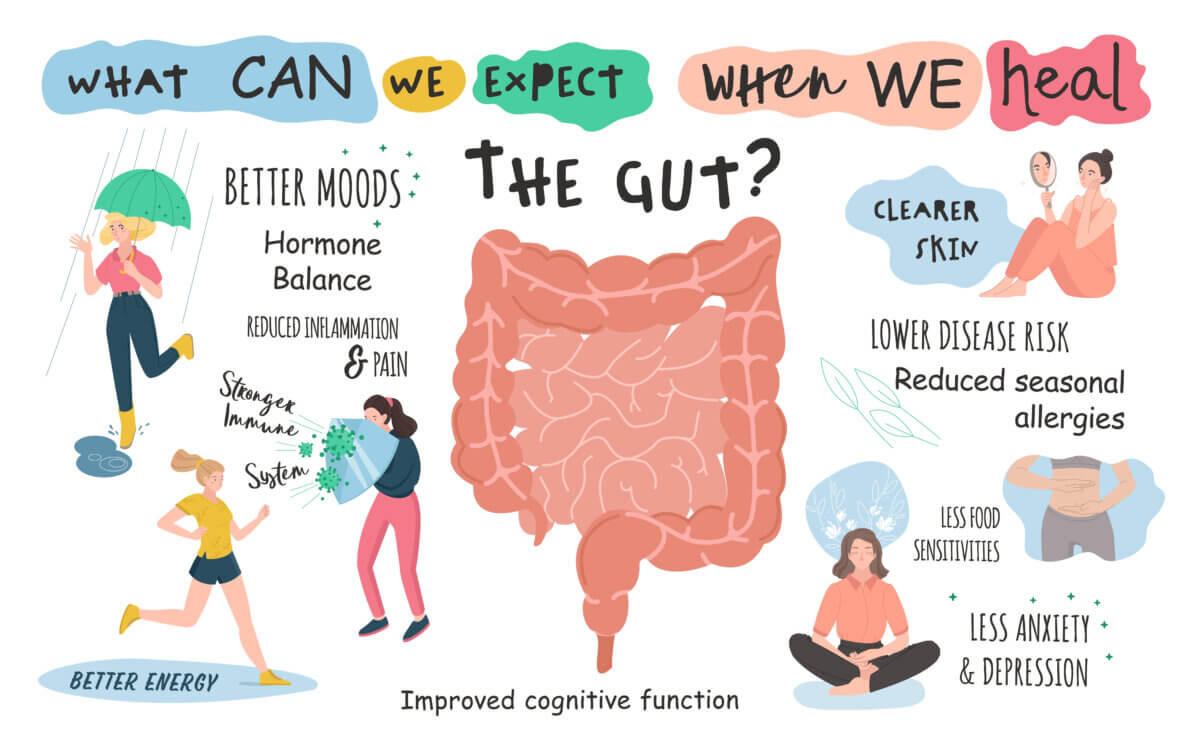
In summary, gut health is critical to your overall immunity and well-being. By nurturing your gut through a balanced diet, regular exercise, stress management, and mindful use of medications like antibiotics, you can bolster your body’s defenses against many health challenges. This holistic approach to health highlights the profound interconnectedness of our bodily systems. Understanding and nurturing these connections can pave the way toward better health and a more robust immune system.


