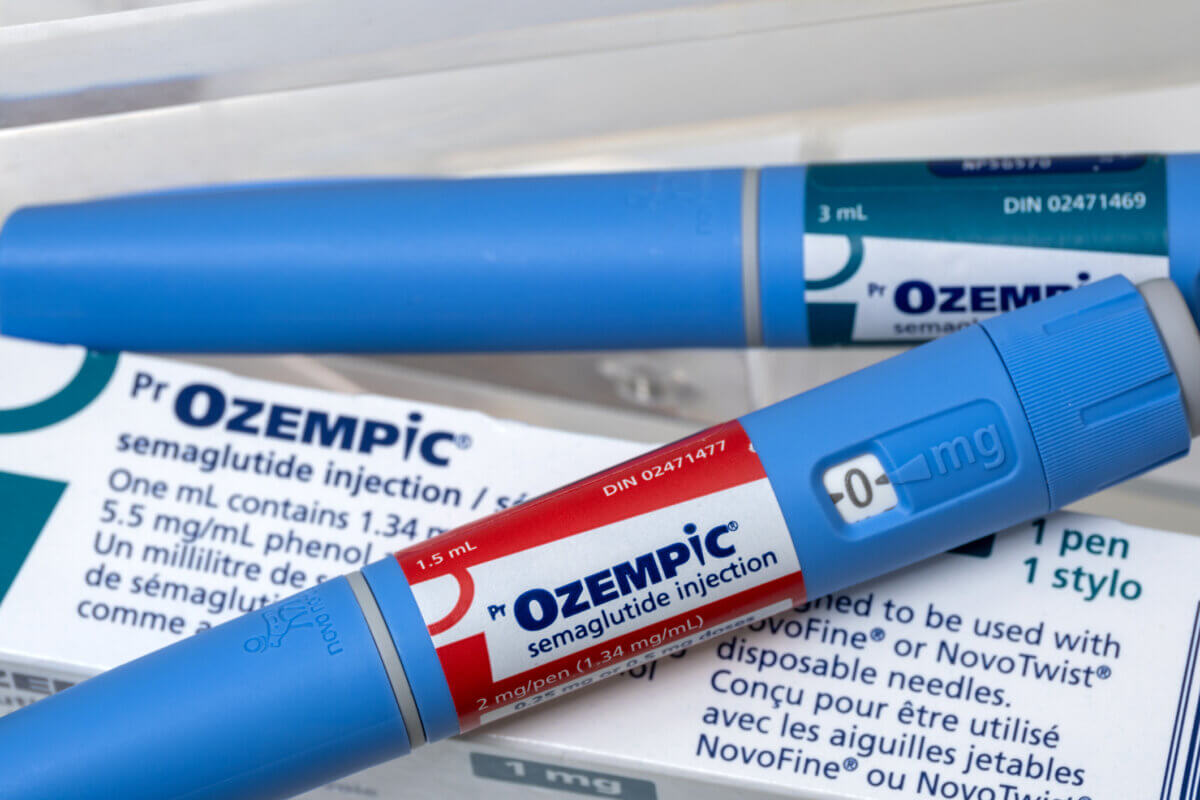
(Photo credit: © Marc Bruxelle | Dreamstime.com)
In A Nutshell
- Researchers analyzed 60 online reviews from people using Ozempic for weight loss and found that gastrointestinal side effects like nausea and vomiting didn’t predict whether users would continue treatment.
- Weight loss was the deciding factor: 78% of satisfied users reported losing weight, compared to only 33% of dissatisfied users, even though both groups experienced similar rates of stomach problems.
- More than half of reviewers gave Ozempic either a perfect 10 or the lowest rating of 1, showing deeply polarized experiences with almost no middle ground.
- Among people who planned to quit, 93% had experienced side effects, but only 36% were still losing weight, suggesting that lack of results, not discomfort, drove discontinuation.
What are people willing to endure to reach their body goals? A whole lot, according to research focusing on the use of Ozempic for weight loss.
Like many reviewers in a new study, one person endured constant nausea and spent days bedridden from vomiting. Work appointments were missed. The feeling was, in their words, “absolutely horrid.” But the weekly Ozempic injections continued. Then the weight stopped coming off, and suddenly all that suffering felt pointless. Treatment stopped.
This pattern shows up repeatedly in an analysis of 60 online reviews from people using Ozempic for weight loss. Researchers from Rutgers University and the University of Sydney discovered gastrointestinal side effects such as nausea, vomiting, diarrhea, and constipation did not significantly influence satisfaction ratings or decisions to continue treatment. What mattered was a single question: Is the scale moving?
Two-thirds of reviewers reported losing weight, suppressing appetite, or eliminating food cravings. These people gave Ozempic high marks even when side effects landed them in bed for days. The other third saw minimal results, and they quit, often rating the drug a dismal 1 out of 10, regardless of whether they felt sick.
“I have had all 5 of the main side effects, nausea, stomach pain, vomiting, diarrhea, and constipation,” one person wrote. “I am happy with the weight loss, so am learning to manage these.”
When Results Justify Suffering
Among people who rated Ozempic highly (8-10 out of 10), 78% reported weight loss. Among those who rated it poorly (1-7 out of 10), only 33% lost weight. Yet both groups reported gastrointestinal problems at nearly identical rates (around 60-70%).
The six people who explicitly planned to continue Ozempic despite side effects had one thing in common: every single one was still losing weight. All six experienced adverse events, mostly nausea and stomach issues. Four dealt with additional problems like headaches or gallbladder pain. But the dropping numbers on the scale made it worthwhile.
“The side effects at the beginning were worth it for me,” one person explained. Another saw the nausea as helpful: “What it has done is to force me to give up bad habits because I do not like staying nauseous.”
Compare that to the 14 people who said they’d quit. Only 36% of them were still losing weight or experiencing appetite suppression. Nearly all (93%) dealt with adverse events, but side effects alone weren’t the dealbreaker. Suffering without results was.
“I’ve been on Ozempic for 4 months,” one frustrated user wrote. “Recently raised my dose to .75 mg but I am stopping this medication. Yes, I lost 15 lbs but suffered with the worse sulfur gas, was sick in bed at times, missing appointments because I felt that crap.” Another lasted just three weeks: “This is my third week and I feel absolutely horrid!! I have constant dizziness, extreme fatigue, and generally feel like crap. I don’t think I will continue. It’s not worth it to lose maybe 20 lbs but can’t get out of bed and function.”

The Appetite Suppression Trade-Off
About half the reviewers described dramatic appetite changes. One person lost 55 pounds over nearly a year. Another dropped from 192 to 152 pounds in five and a half months. Several said their appetite dropped by 90%, forcing them to remind themselves to eat.
“I used to overeat, but now I can only manage two small meals a day,” one reviewer explained. Eight people said their cravings for sugar and greasy food vanished completely. “I found my sugar cravings disappeared once I started taking 1 mg,” someone wrote. “I lost all interest in greasy food from .5 mg and up.”
But the other side of this story involves people who endured weeks or months of side effects while the scale barely budged. “It has done absolutely NOTHING for me for weight loss,” one person reported. Another watched initial progress stall: “It seems to have plateaued as I haven’t lost any weight since Christmas and it’s now March.”
Clinical trials suggest weight loss from semaglutide often plateaus after about a year, with some people experiencing weight regain in year two as bodies adapt metabolically. The reviewers in this dataset didn’t consistently report how long they’d been on the drug, so the researchers couldn’t confirm that timing pattern in this group.
When Serious Complications Enter the Picture
While common nausea didn’t predict who would quit, more serious complications were more common among people who gave lower ratings or planned to stop. Several reviewers described emergency room visits for severe dehydration. Others needed gallbladder removal. One person collapsed at a baby shower due to dehydration and was experiencing blood loss in stools, anemia, and dangerous electrolyte imbalances.
Two reviewers reported depression they attributed to Ozempic. “The worst side effect for me was depression,” one wrote. “I would have mild anxiety and this drug made it a lot worse and made my mood very low.”
More than half of respondents gave Ozempic either the highest possible rating (10) or the lowest (1), almost nothing in between. For many reviewers, the drug either felt life-changing or deeply disappointing.
The Real-World Picture
The researchers analyzed reviews posted on Drugs.com, with data extraction occurring in June 2023 (the oldest review dated from February 2023). This timing captured peak media attention on Ozempic for cosmetic weight loss. People selected “weight loss” as their reason for using the drug, even though it’s officially approved only for type 2 diabetes. Drugs.com has since removed weight loss as a category option.
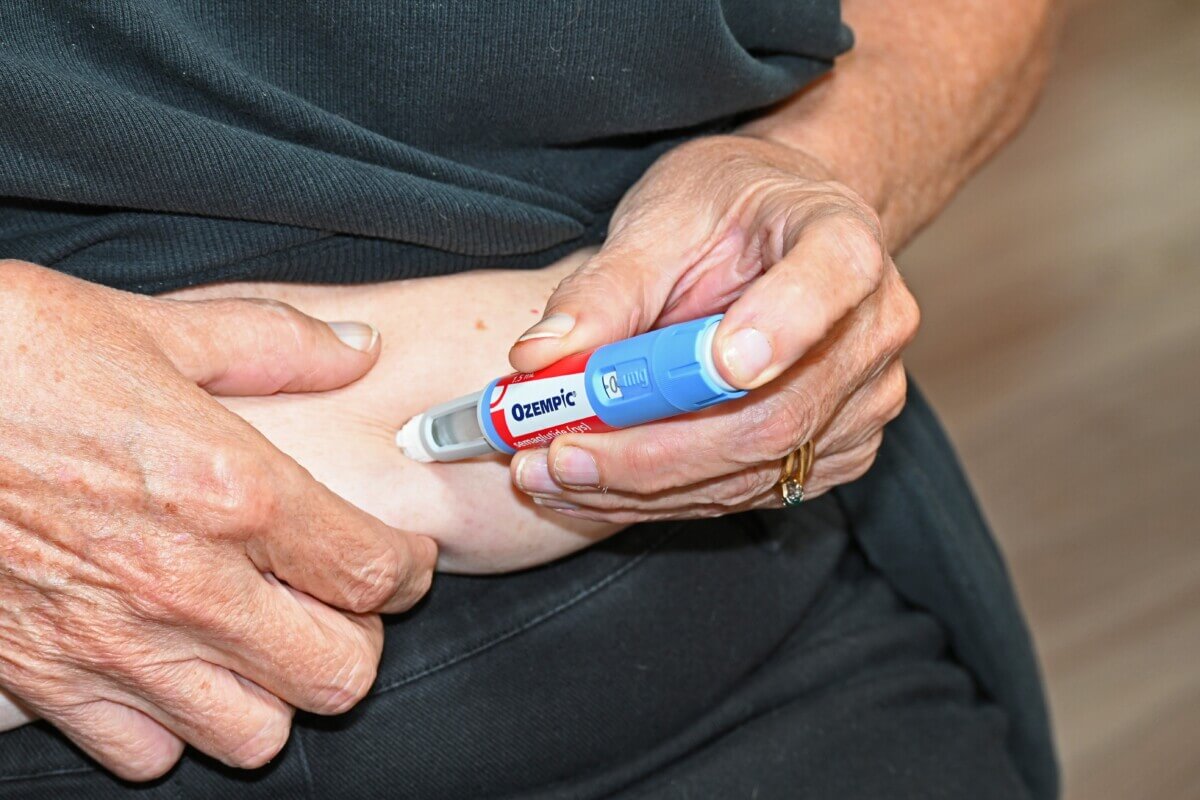
Most reviewers found the once-weekly injection straightforward, with a needle so thin they barely felt it. Cost varied dramatically. People with insurance coverage managed the expense, while those paying out of pocket struggled. “Don’t waste your money on this stuff,” one dissatisfied user advised.
The findings appeared in the Journal of Medical Internet Research. The data came from self-reported, anonymous reviews without demographic details or independent verification of outcomes, but it also offers a glimpse into how people weigh the trade-offs in real life. These are unsolicited accounts rather than responses to structured survey questions.
Clinical trials measure safety and efficacy. Online reviews reveal what patients actually care about when deciding whether to stick with a medication. For many reviewers in this study, visible weight loss outweighed discomfort. When results faded, so did their patience.
Disclaimer: This article is for informational purposes only and is not a substitute for professional medical advice, diagnosis, or treatment. Always seek the advice of your physician or other qualified health provider with any questions you may have regarding a medication or medical condition. Never disregard professional medical advice or delay in seeking it because of something you have read in this article. The experiences described are from self-reported online reviews and have not been independently verified.
Paper Notes
Study Limitations
The study faced several methodological constraints. Data came exclusively from Drugs.com reviews, representing a self-selected sample of people motivated to share their experiences publicly. This likely overrepresents individuals with strongly positive or negative reactions while underrepresenting those with moderate experiences. The anonymous nature of the platform meant no demographic data was available, limiting ability to determine how representative the sample was of broader Ozempic users.
All data was self-reported without independent verification of weight loss claims, side effects, or attribution of symptoms to Ozempic specifically. Some serious adverse events described could not be confirmed as directly caused by the medication. Most reviews didn’t include treatment duration or dosing information, preventing analysis of how these variables influenced outcomes.
The study period captured a four-month snapshot (oldest review from February 2023, data extraction in June 2023) during peak media attention to Ozempic for weight loss. Results may not reflect experiences outside this timeframe. The analysis reached thematic saturation after 60 reviews, but the small sample size (especially for subgroups like the 6 people planning to continue treatment) limits generalizability.
Coder bias represents another potential limitation. The research team consisted of individuals studying eating disorders and motivated behaviors, which could have influenced theme identification. The team used structured procedures to minimize this bias, including independent coding by two researchers and validation by a third-party reviewer.
Funding and Disclosures
The research received funding from multiple sources. Abanoub Armanious was supported by a Post-Baccalaureate Research Experience for LSAMP Students stipend from the National Science Foundation via the Garden State-LSAMP (NSF Award HRD-1909824). Rachel-Mae Hunter received support through an LSAMP Undergraduate Summer Research stipend from the same program.
The work was funded by grants to Dr. Morgan James from the University of Sydney (Horizon Fellowship), the National Institute on Drug Abuse (R00 DA04765 and R37 DA061303), the National Heart, Lung, and Blood Institute (U01HL150852), Rutgers Optimizes Innovation, the New Jersey Health Foundation (PC144-23 and PC98-22), and an International Collaborative Research Grant from Rutgers Global.
Dr. James disclosed being an inventor on patent PCT/US23/27918 titled “Therapeutic combinations and methods,” which describes novel approaches for reducing overeating. All other authors declared no competing interests.
Publication Details
Authors: Abanoub J. Armanious, Rachel-Mae Hunter, Kristi R. Griffiths, Hannah E. Bowrey, Robyn M. Brown, Morgan H. James | Journal: Journal of Medical Internet Research | Publication Date: January 9, 2026 | Volume/Issue: Volume 28, Article e78391 | DOI: 10.2196/78391 | Study Design: Mixed methods analysis combining qualitative thematic analysis with quantitative rating data from 60 publicly available, anonymous user reviews posted on Drugs.com between February and June 2023.


