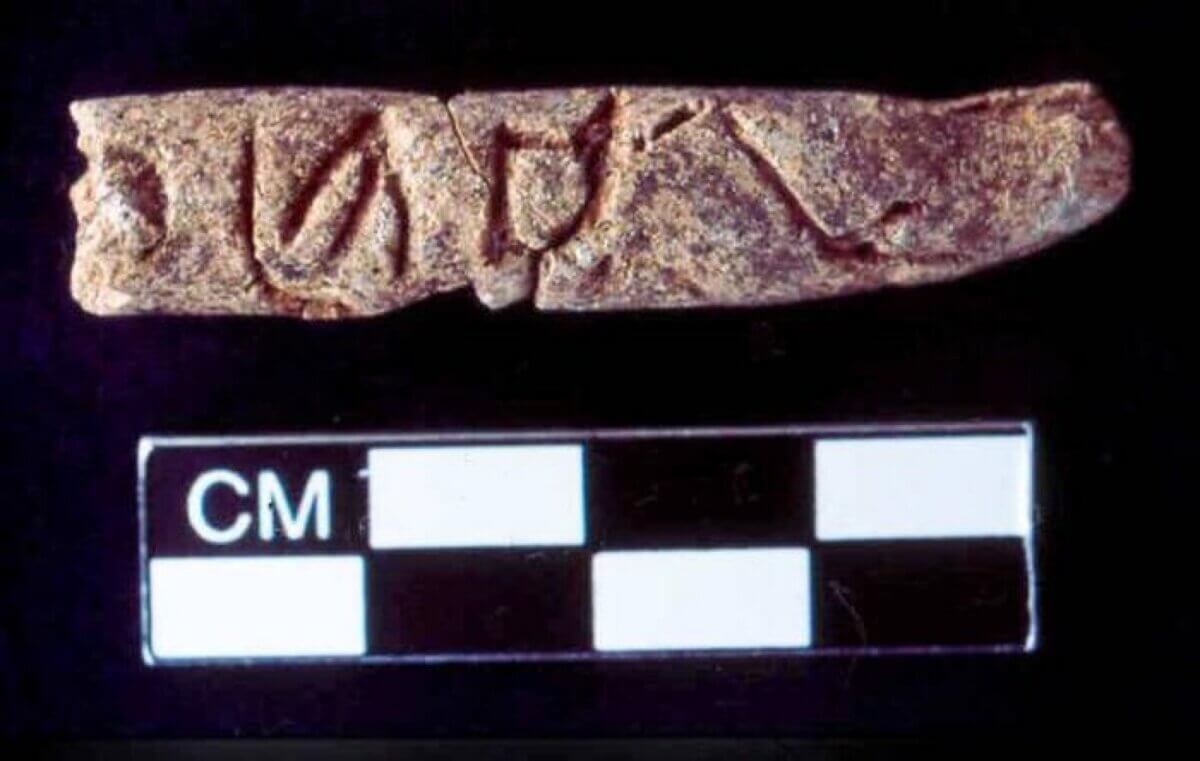
Clay objects roughly the size of fingers were discovered during a dig at the ancient city of Umm el-Marra. The engraved symbols may be part of the earliest known alphabet. (Credit: Glenn Schwartz, Johns Hopkins University)
BALTIMORE — In a groundbreaking discovery that’s turning the world of linguistics and archaeology upside down, researchers from Johns Hopkins University have unearthed what may be the oldest known alphabetic writing in human history — and it’s dramatically older than anyone previously thought.
Hidden within a tomb in western Syria, four delicate clay cylinders are challenging everything scholars believed about the origins of alphabetic communication. These finger-length artifacts, carefully extracted from Tell Umm-el Marra, date back to approximately 2400 BCE—a stunning 500 years earlier than previous historical records suggested. The work was presented at the American Society of Overseas Research’s Annual Meeting.
“Alphabets revolutionized writing by making it accessible to people beyond royalty and the socially elite,” says Glenn Schwartz, the lead archaeologist who made the discovery, in a media release. “Alphabetic writing changed the way people lived, how they thought, how they communicated.”
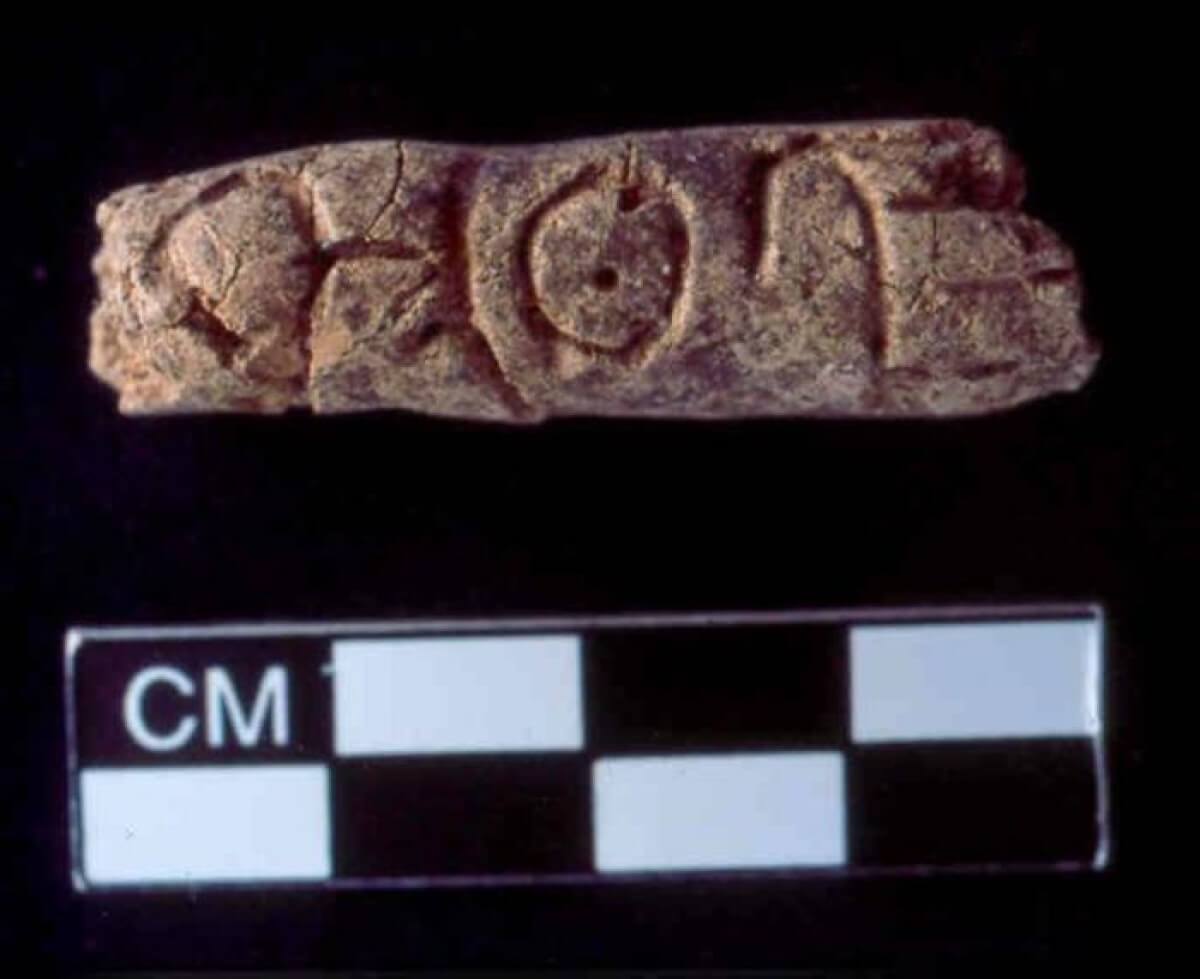
The cylinders were found nestled among an extraordinary archaeological treasure trove: a tomb containing six skeletons, glittering gold and silver jewelry, practical cookware, a spearhead, and intact pottery vessels. Most intriguingly, these clay cylinders appear to be labeled with what might be the earliest known alphabetic script.
Schwartz speculates that these perforated cylinders might have been used as labels, potentially identifying vessel contents, origins, or ownership. However, without a method to translate the writing, these are educated guesses.
“Previously, scholars thought the alphabet was invented in or around Egypt sometime after 1900 BCE,” Schwartz explains. “But our artifacts are older and from a different area on the map, suggesting the alphabet may have an entirely different origin story than we thought.”
The research team, which included colleagues from the University of Amsterdam, conducted a 16-year archaeological investigation at Tell Umm-el Marra. Their meticulous work included carbon-14 dating to confirm the age of the tombs, artifacts, and mysterious writing — providing robust scientific validation for their remarkable claims.
While the exact meaning of these ancient markings remains a mystery, one thing is clear: these clay cylinders represent a pivotal moment in human communication, offering a tantalizing glimpse into how our ancestors first began to record and share information beyond spoken language.


