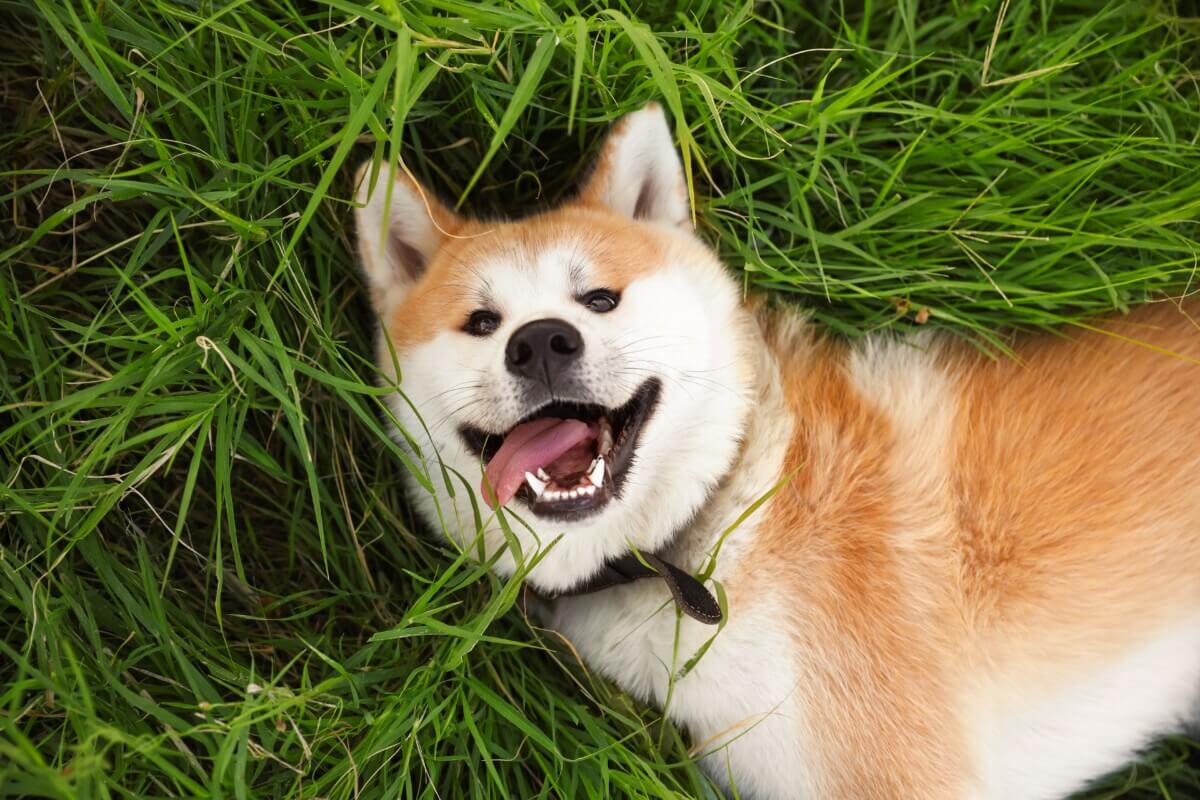
An Akita Inc laying in the grass (Photo by Pixel-Shot on Shutterstock)
Throughout human history, dogs have been our steadfast companions, with some breeds tracing their lineages back thousands of years to the earliest days of domestication. While modern breeds like Golden Retrievers and Labradoodles are relatively recent developments, several ancient dog breeds have maintained their distinctive characteristics across millennia, offering us a living window into our ancestors’ earliest relationships with canines.
Recent archaeological discoveries in Alaska have shed new light on this ancient bond, revealing that humans were sharing salmon with wolf-like canids as early as 12,000 years ago—about 2,000 years earlier than previously thought in the Americas. These findings, based on chemical analysis of ancient canine bones, suggest that food sharing may have been a crucial factor in the early stages of dog domestication, as these animals adapted to rely on human-provided meals rather than hunting their natural prey.
While the distant wolf-like canids mentioned above are thankfully not found in our households today, what are the oldest dog breeds that still exist? We researched through expert lists of ancient dog breeds to find out the consensus. Let us know if we missed one in the comments below.
StudyFinds is a research-driven platform that analyzes and synthesizes expert recommendations from trusted sources. Rather than writing reviews ourselves, we meticulously compile consensus findings from leading industry experts and established publications to save consumers valuable research time. Each article represents hours of analysis across multiple authoritative sources to identify the most consistently recommended choices.
The List: Oldest Dog Breeds, According to Experts
1. Basenji
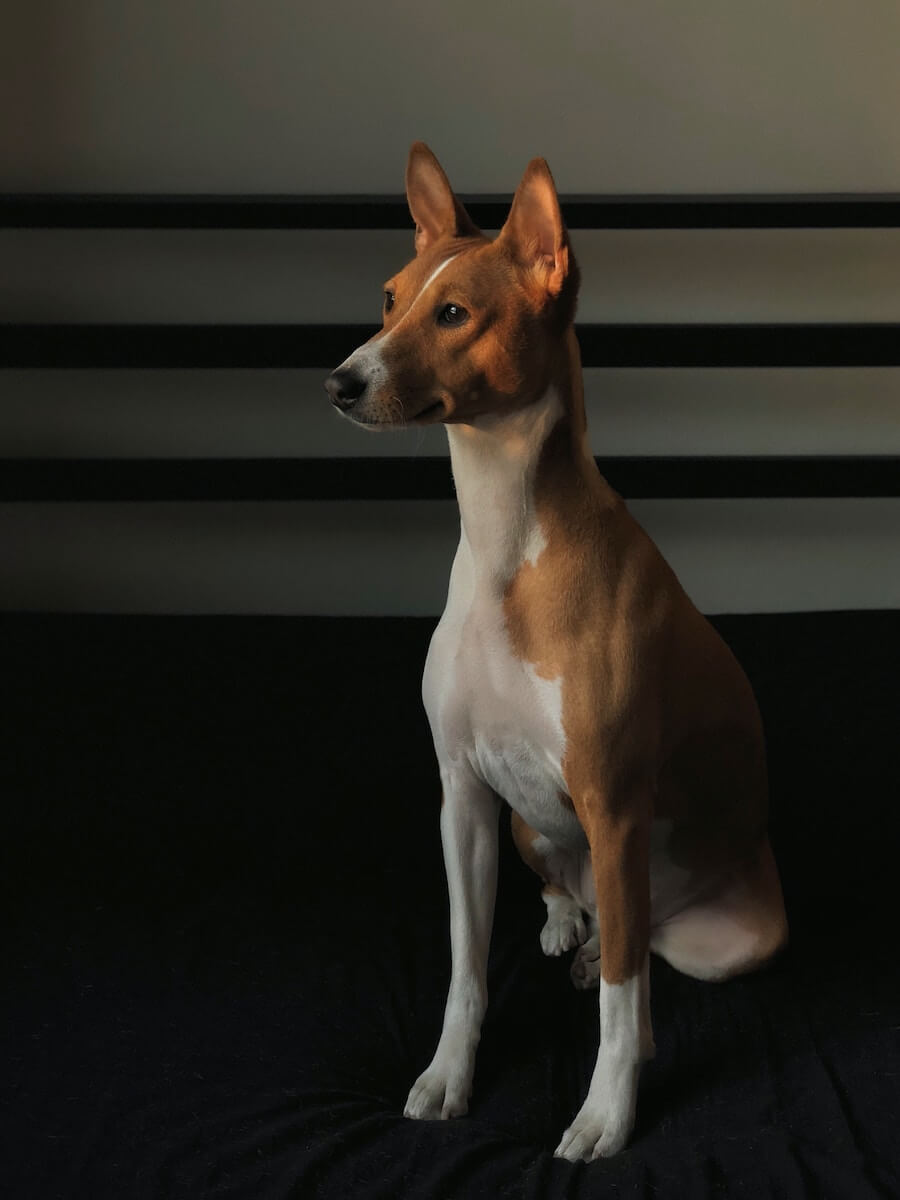
The Basenji’s fascinating history stretches back to ancient Africa, with Dutch.com noting evidence of these unique dogs on cave paintings dating to 6000 B.C. and artifacts from 3000 B.C. These skilled hunters originally helped their owners by independently gathering food, though this self-sufficient nature meant they required dedicated training.
While they possess remarkable intelligence, Canine Campus cautions that Basenjis have a stubborn streak and need plenty of exercise to stay content. Their strong hunting instincts make them flight risks – they’re known to dart through open doors and scale fences, so keeping them leashed is essential.
Rather than barking, A-Z Animals says Basenjis produce a yodel-like sound. They’ve earned the nickname “jumping up and down dog” for their vertical leaps in tall grass. They also display notably feline characteristics, particularly in their fastidious grooming habits.
2. Akita Inu
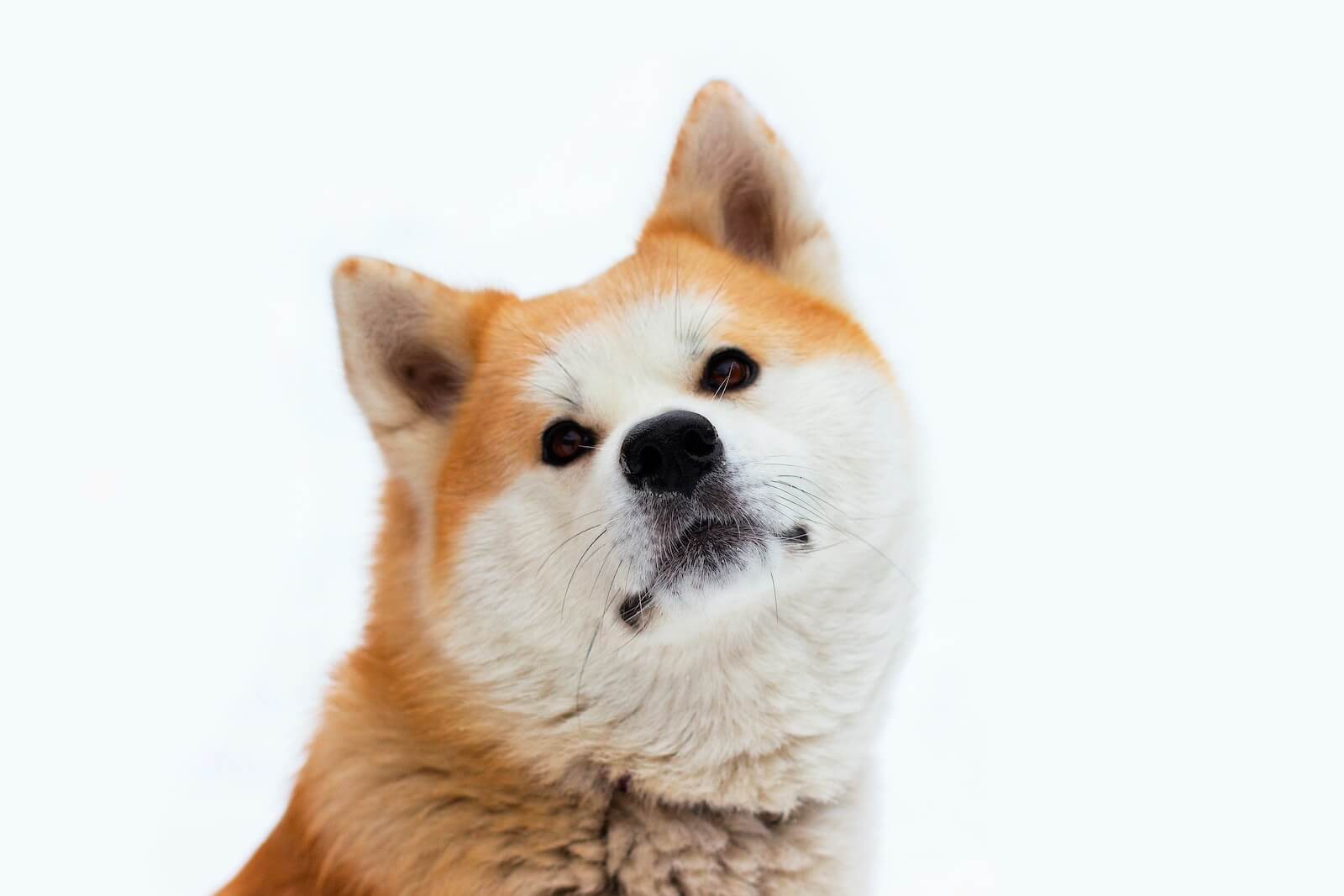
These cute fluff balls descend from ancestors that lived long ago. Archaeological evidence suggests the Akita Inu’s ancestor, the Matagi-Inu, existed between 8,000 B.C. and 200 B.C., according to Animal Hearted. While smaller than today’s Akitas, these early dogs established the foundation for one of Japan’s most revered breeds.
A-Z Animals explains that these powerful members of the Husky family were originally bred to hunt formidable prey like wild boar, deer, and bear in northern Japan’s harsh winters. Their natural disposition combines fearlessness with a calm, dignified demeanor, making them versatile enough to serve as therapy dogs, police dogs, and family companions.
The Japanese Akita holds a special place in its homeland’s culture. SpiritDog notes that they are considered national monuments, symbolizing good health, happiness, and longevity. Distinguishable from their American cousins by their fox-like features (compared to the American Akita’s bear-like head), these dogs are celebrated for their unwavering loyalty and courage.
3. Afghan Hound
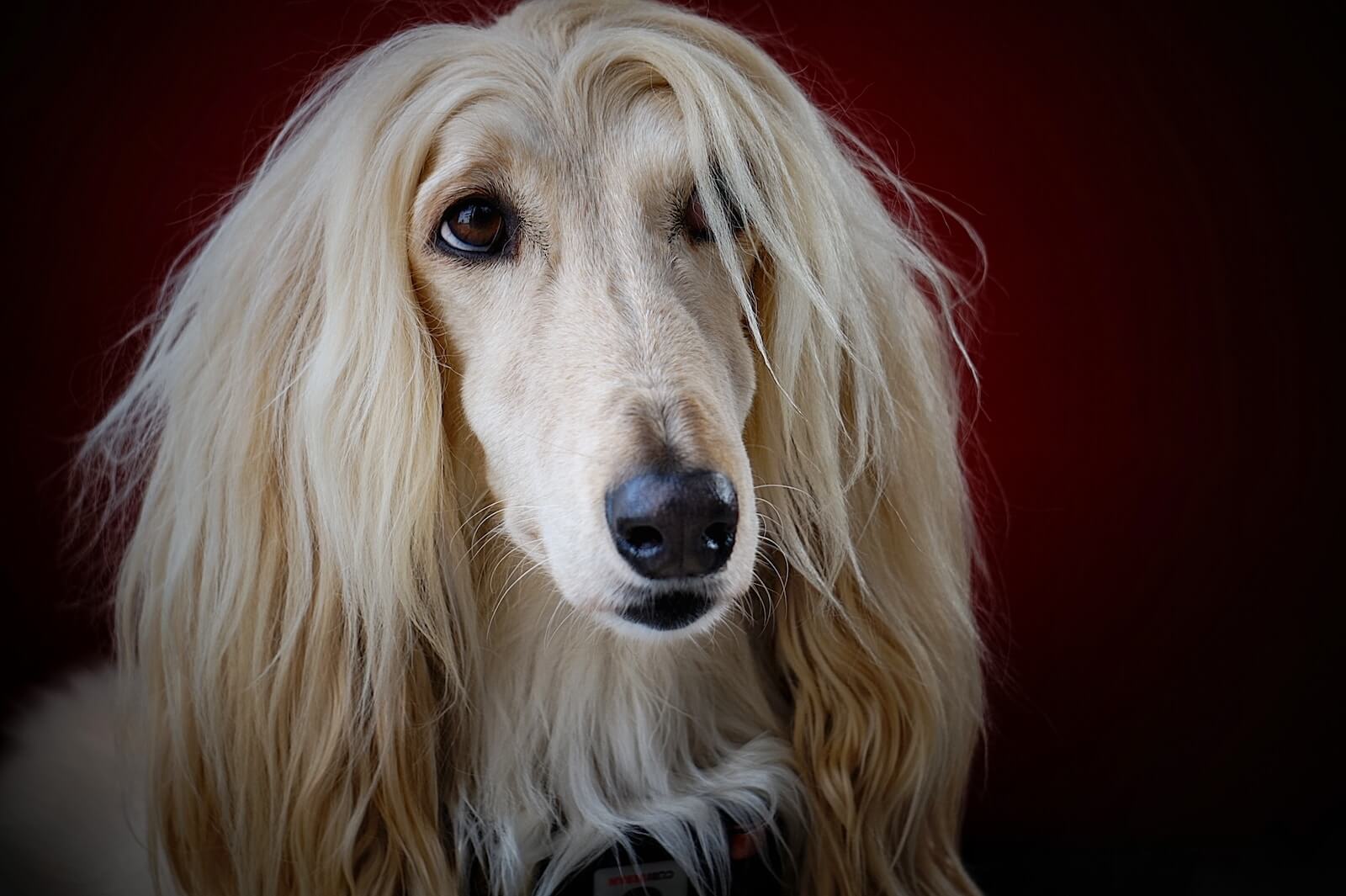
The Afghan Hound’s origins trace back thousands of years to the mountainous regions spanning modern-day Afghanistan, Pakistan, and India. K9 of Mine writes that they served as both hunting dogs and status symbols, prized for their remarkable speed and agility.
The breed’s ancient lineage is so significant that, according to The Scotsman, Christian legend places Afghan Hounds aboard Noah’s ark. As hunters, they excelled at pursuing swift prey like antelopes and leopards.
Their place in today’s culture has changed quite a bit, like most breeds. A-Z Animals explains how British soldiers later introduced these dogs to the U.K. as show dogs, where their distinctive flowing coats became legendary. While adaptable to various climates and living situations, these sociable dogs require extensive grooming and exercise to thrive in family settings.
4. Saluki
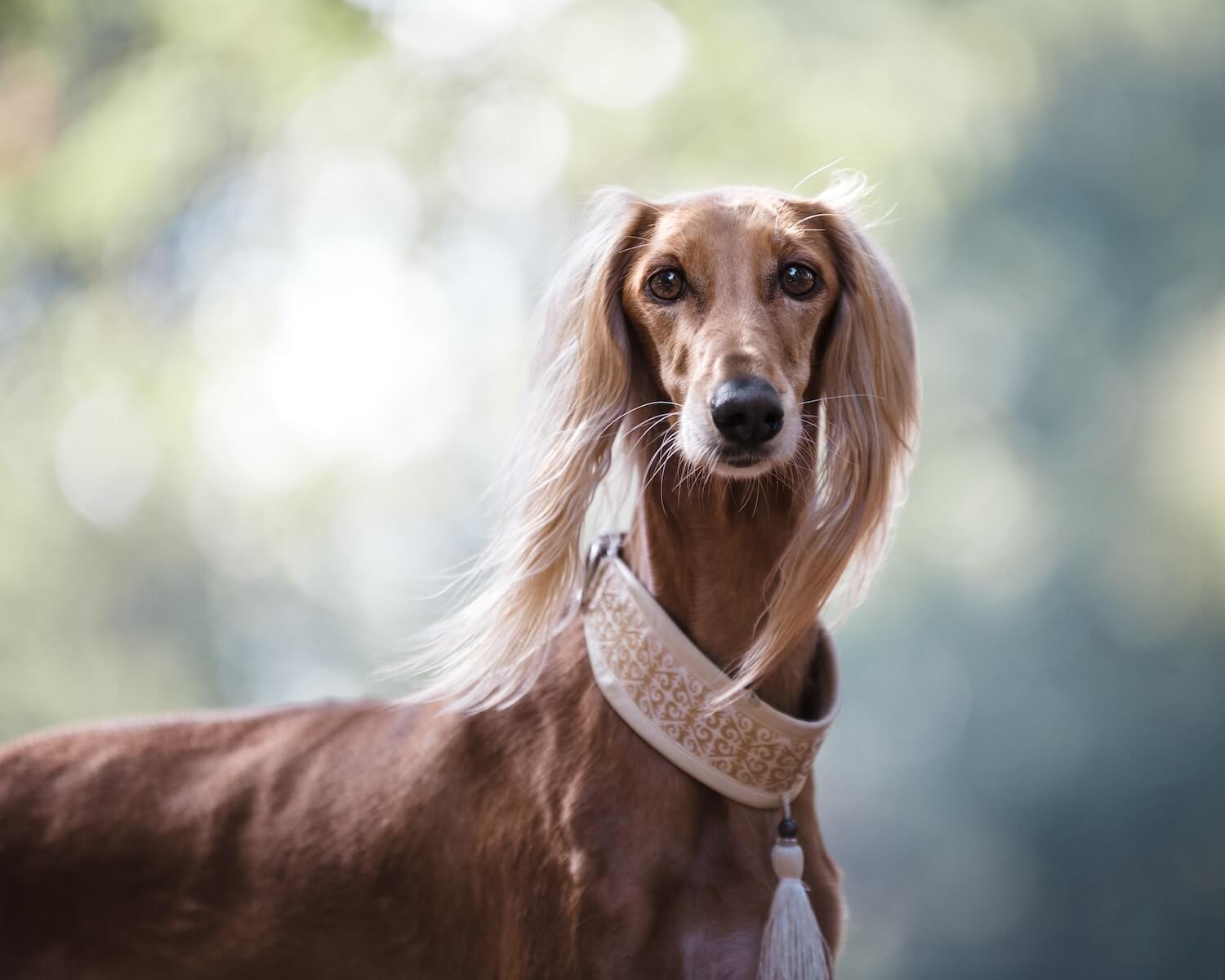
Tracing back through the sands of time, Dutch explains that the Saluki’s exact origins remain mysterious. Archaeological evidence, however, places these elegant dogs in the Middle East at least 5,000 years ago, where they were cherished companions of nobility, as depicted in ancient artwork and artifacts.
It can be challenging to pinpoint ancient breeds’ origins. A-Z Animals notes that while the Guinness Book of World Records dates them to at least 329 B.C., cave paintings resembling Salukis stretch back an impressive 9,000 years.
From pharaohs to modern families, these dogs have maintained their distinctive traits across millennia. According to Pet Keen, their legendary speed and hunting prowess made them favored companions of ancient royalty, though today they thrive best with active families who can match their energetic nature.
5. Tibetan Mastiff
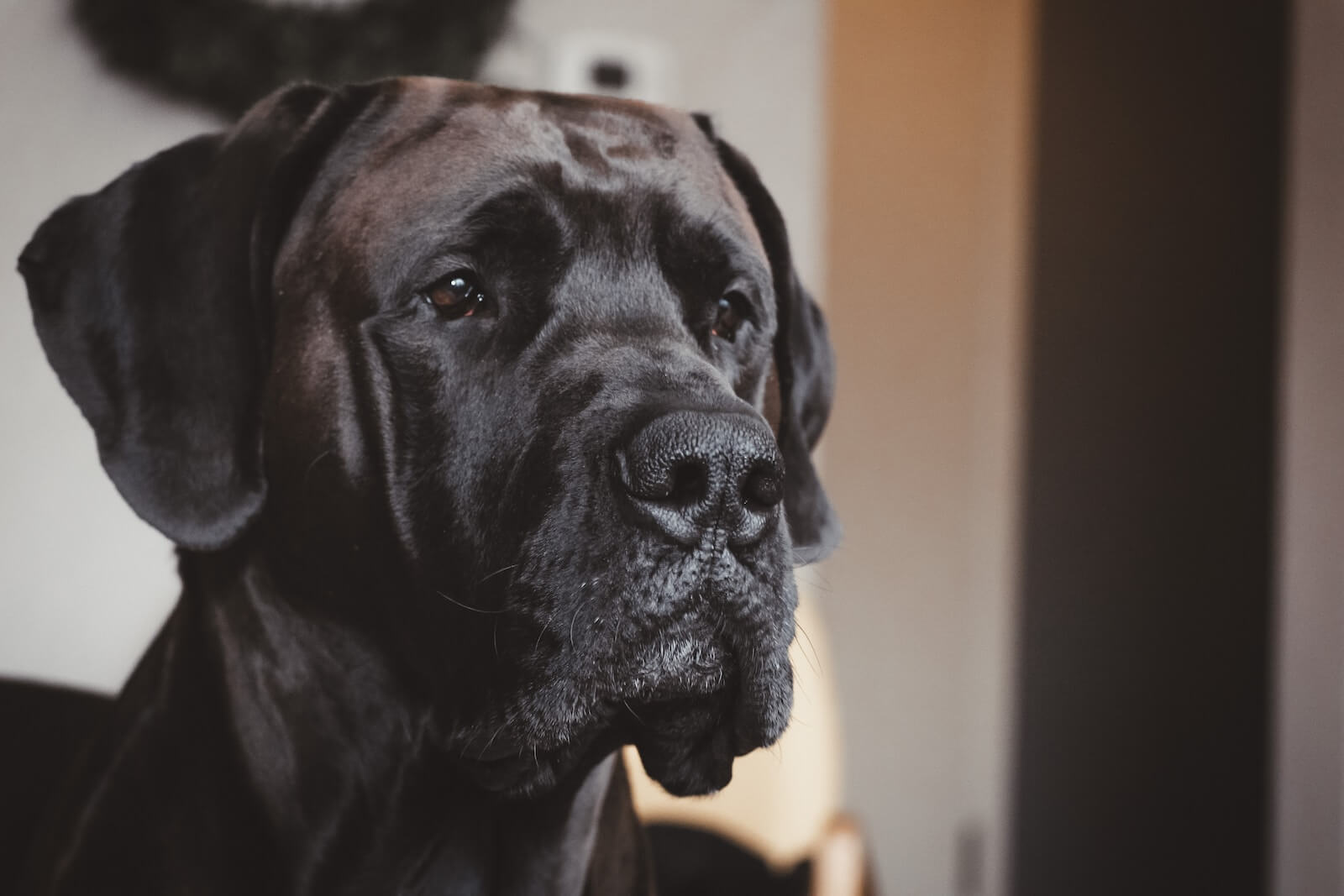
Deep in the mountains of Tibet, a breed emerged that would shape the future of guardian dogs. According to Animal Corner, the Tibetan Mastiff’s history stretches back roughly 5,000 years, serving as both hunters and royal guardians in ancient Tibet.
Their legacy runs even deeper than initially thought. The Scotsman reports a groundbreaking study suggesting these dogs might be the first domesticated breed, dating back approximately 58,000 years, and likely served as ancestors to all modern Mastiff breeds. Their primary role was protecting Tibetan tribes’ livestock from formidable predators like wolves and bears.
Standing guard in modern homes with the same majestic presence as their ancestors, these dogs continue to impress. Petland describes them as having a lion-like alertness and magnificence, though notes their intelligence comes with a stubborn streak that responds best to early training.
Sources:
Note: This article was not paid for nor sponsored. StudyFinds is not connected to nor partnered with any of the brands mentioned and receives no compensation for its recommendations. This article may contain affiliate links in which we receive a commission if you make a purchase.


