(© Cookie Studio - stock.adobe.com)
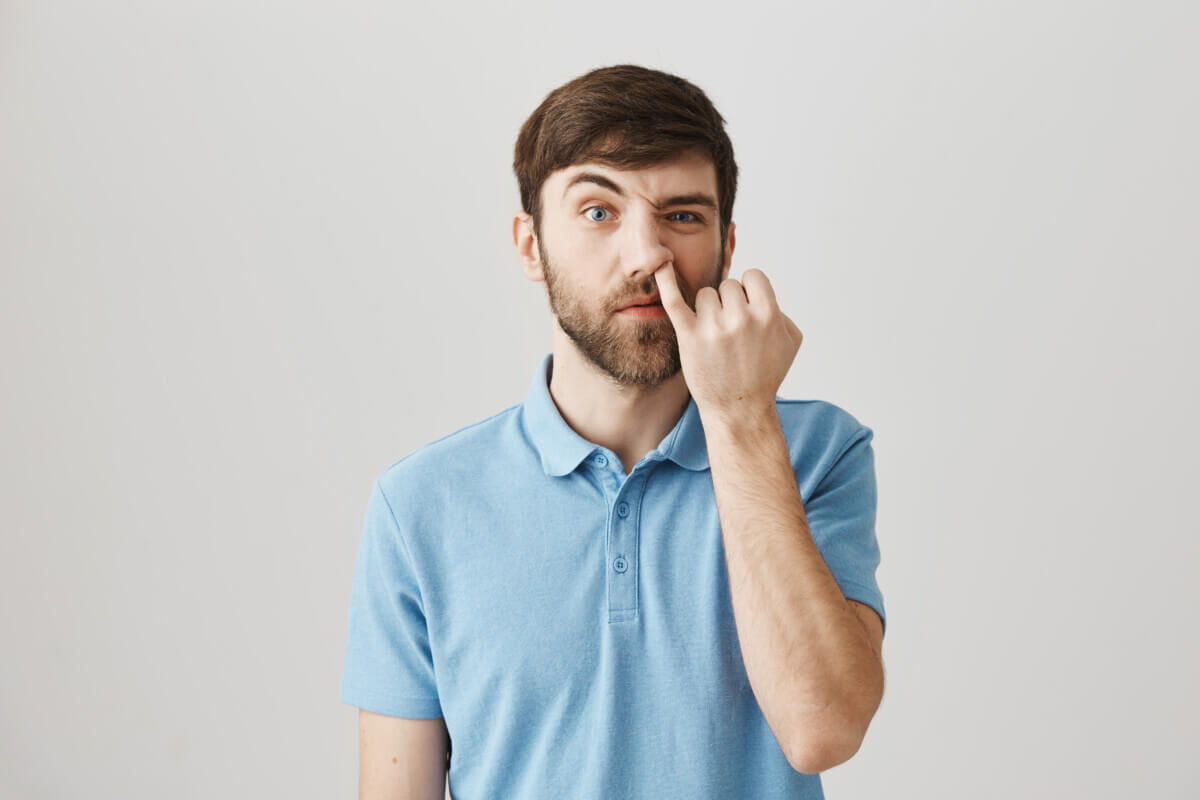
AMSTERDAM, Netherlands — A new study conducted at the Amsterdam University Medical Centers reveals a surprising link between the common but often unspoken habit of nose-picking and the risk of contracting COVID-19. This groundbreaking research, the first of its kind, found that healthcare workers who regularly engage in nose-picking have a significantly higher risk of catching the virus.
At the onset of the global COVID-19 pandemic in 2019, health authorities worldwide implemented preventive measures to curb the spread of the virus. These strategies ranged from social distancing to enforcing strict hygiene protocols in healthcare settings. Yet, despite these safeguards, healthcare workers have remained at a heightened risk of COVID-19 infection. One possible contributing factor, according to this new study, could be everyday (and unhygienic) behaviors like nose-picking.
The research team surveyed over 400 healthcare workers in the Amsterdam University Medical Centers about their personal habits, such as nose-picking, nail-biting, wearing glasses, and having a beard. About 85 percent of respondents confessed to picking their noses regularly, ranging from monthly to daily.
Strikingly, the data revealed a significant increase in COVID-19 infections among those who picked their noses compared to those who refrained. This remained true even after adjusting for other factors, such as exposure to COVID-19 patients.
Researchers believe that nose-picking might facilitate the virus’s entry by directly introducing viral particles from the hand to the nasal cavity, a main gateway for COVID-19. Healthcare workers unknowingly infected with COVID-19 who engage in nose-picking could potentially contaminate their work environment, leading to further transmission.
Interestingly, the study found no significant link between nail biting or wearing glasses and the risk of infection. The scientists theorize that salivary proteins, which have been shown to inhibit the virus, could play a role in protecting nail biters.
This research provides new insights into the seemingly trivial behaviors that can influence the spread of COVID-19, especially in high-risk settings like hospitals. It underscores the importance of preventive measures and proper hand hygiene, reminding us that sometimes, it’s the small habits that can make a big difference in the fight against the pandemic.
The study is published in the journal PLOS One.


