(© Adisak - stock.adobe.com)
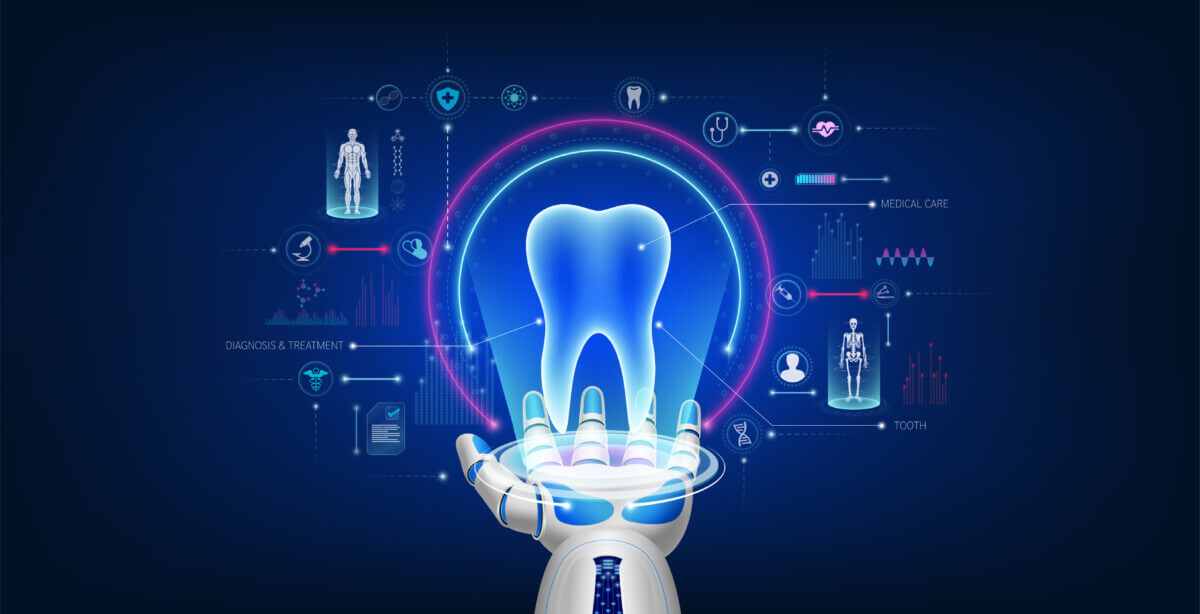
GUILDFORD, United Kingdom — A new, advanced artificial intelligence (AI) system may end up revolutionizing trips to dentists’ offices all over the world. Led by University of Surrey researchers, a collection of U.K. scientists say their new platform may allow dentists and dental students to read X-rays with a higher degree of accuracy, leading to improved detection of both tooth decay and gum disease.
This AI system, put together through a collaboration with researchers at King’s College London, Royal Surrey NHS Foundation Trust, and the Oral Health Foundation, allows scientists to use a high-tech model capable of recognizing abnormalities in anatomical structures.
This project originally aimed to provide a one-stop solution for collecting and adding notes to dental X-rays. Also, the study authors set out to assist with disease diagnosis while simultaneously building on how best to implement this in a clinical setting. The project has already been awarded nearly $2 million in grant funding from the National Institute for Health and Care Research (NIHR).
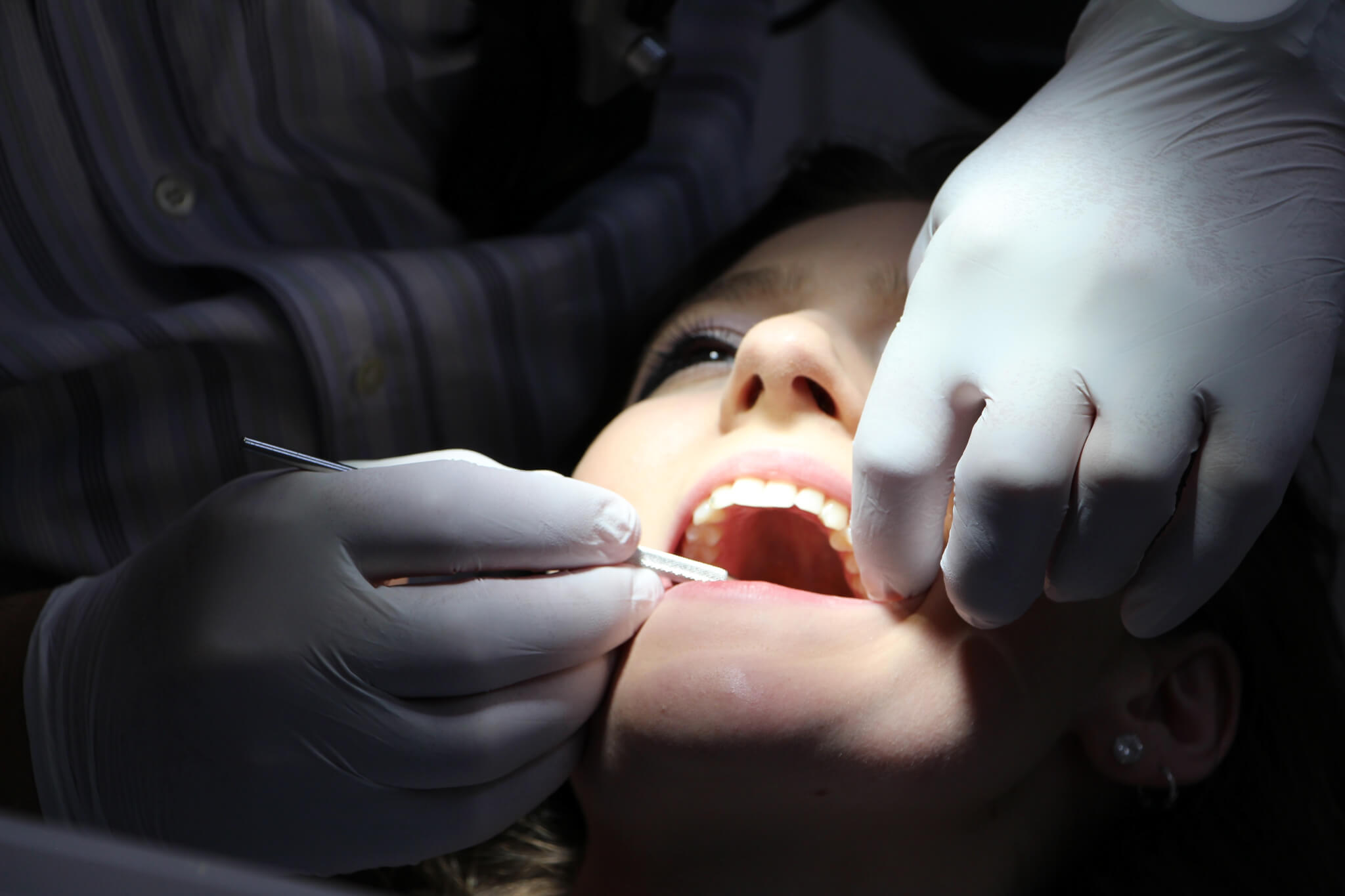
“The technology could save valuable time and money if rolled out more widely, enabling dentists to have abnormalities pop up in front of them and read radiograms with higher accuracy,” says Dr. Yunpeng Li, Senior Lecturer in Artificial Intelligence and the project lead at the University of Surrey, in a media release.
“This next phase of the project is incredibly exciting as we work collaboratively to build a working prototype suitable for real-life clinical settings. Efforts so far have included gathering a representative set of annotated radiograms and training a custom-built AI model on dental disease detection. We look forward to comprehensive outcomes over the next few years.”
“AI systems that support more accurate diagnosis and clinical decision-making will help patients, but they must be trustworthy. We look forward to supporting this project by providing dental expertise and consideration of the needs of end-users,” adds Professor Owen Addison, Professor of Oral Rehabilitation and the joint project lead at King’s College London.
You might also be interested in:
- This AI program can predict heart attack, stroke risk within decade using single chest X-ray
- Best Electric Toothbrushes For 2023: Top 5 Devices Most Recommended By Expert Websites
- Eating junk food may grow bacteria involved in tooth decay and gum disease
- Best Toothpaste: Top 5 Smile-Enhancing Tubes Most Recommended By Experts


