
(Credit: Krakenimages.com/Shutterstock)
You’ve probably heard of fasting by now. It keeps popping up everywhere and has quickly become the new “it thing” to do in the wellness world. Some people only eat during specific time windows, while others go days at a time without food — all in the name of health or weight loss. The common thread, despite some dieting differences, is that those who partake in fasting usually drink water. Unfortunately, some dieters have taken it a step further and started “dry fasting,” which is pretty dangerous.
Dry fasting is not recommended as a health hack, period.
Believe it or not, the human body can sustain itself for a fair amount of time without food, even though it’s not ideal to push your limits in that way. The same can’t be said about lack of water while abstaining from food.
Now, there are religious holidays that involve dry fasting, such as Ramadan in the Muslim faith and Yom Kippur in the Jewish faith. Both holidays are meant to use fasting as a way to strengthen their relationship with God. Although uncomfortable, the risk of danger isn’t high under these conditions. During Ramadan, fasting is only required during daylight hours, meaning observers can eat and drink at night. Yom Kippur is only 25 hours long, so observers can resume their eating and drinking habits right after.
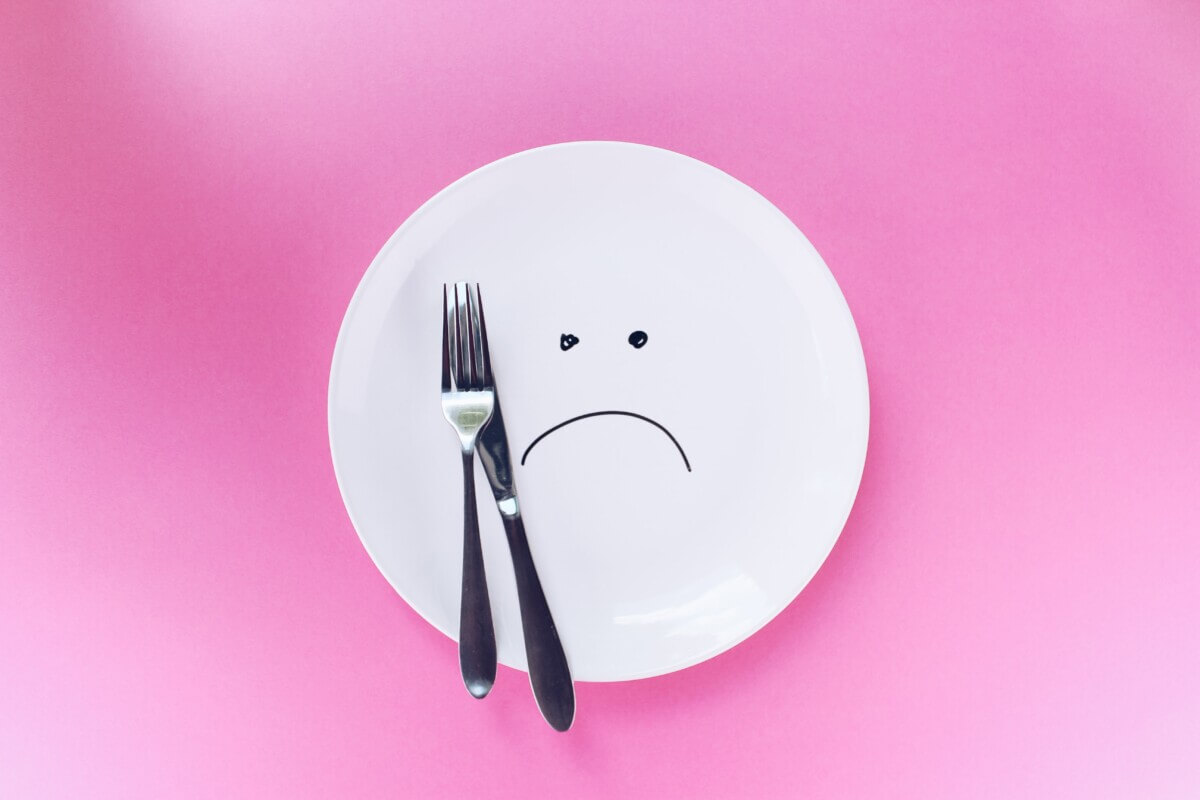
However, those engaging in dry fasting for trendy health reasons are more at risk of doing so dangerously, especially since many are trying to do it for multiple days with no break. One of the biggest risks you can imagine is dehydration. Common symptoms of dehydration include fatigue, loss of focus, very concentrated urine or lack of urine in general, constipation, and headaches.
Internally, your body will struggle to maintain proper fluid and electrolyte balance. You risk increasing blood levels of sodium, potassium, and chloride, which could quickly send someone to the hospital in need of intravenous fluids.
Since you are dehydrating yourself, it intuitively makes sense that you would lose weight while dry fasting. However, it is way more likely to be water weight and not actual fat loss. This means you’re probably going to gain the weight right back after you reintroduce liquids!
Hydration should be one of the top priorities for everyone on a daily basis, even if you want to lose weight. It lubricates our joints, promotes fluid and electrolyte balance, regulates body temperature, and promotes regular bowel movements. Cutting corners in such severe ways is not only unnecessary for weight loss but unsustainable and potentially harmful.
Putting your body under such high levels of stress just makes things harder for you in the long run. There are healthy ways to engage in fasting if that’s something you are interested in doing, but this isn’t one of those ways.


