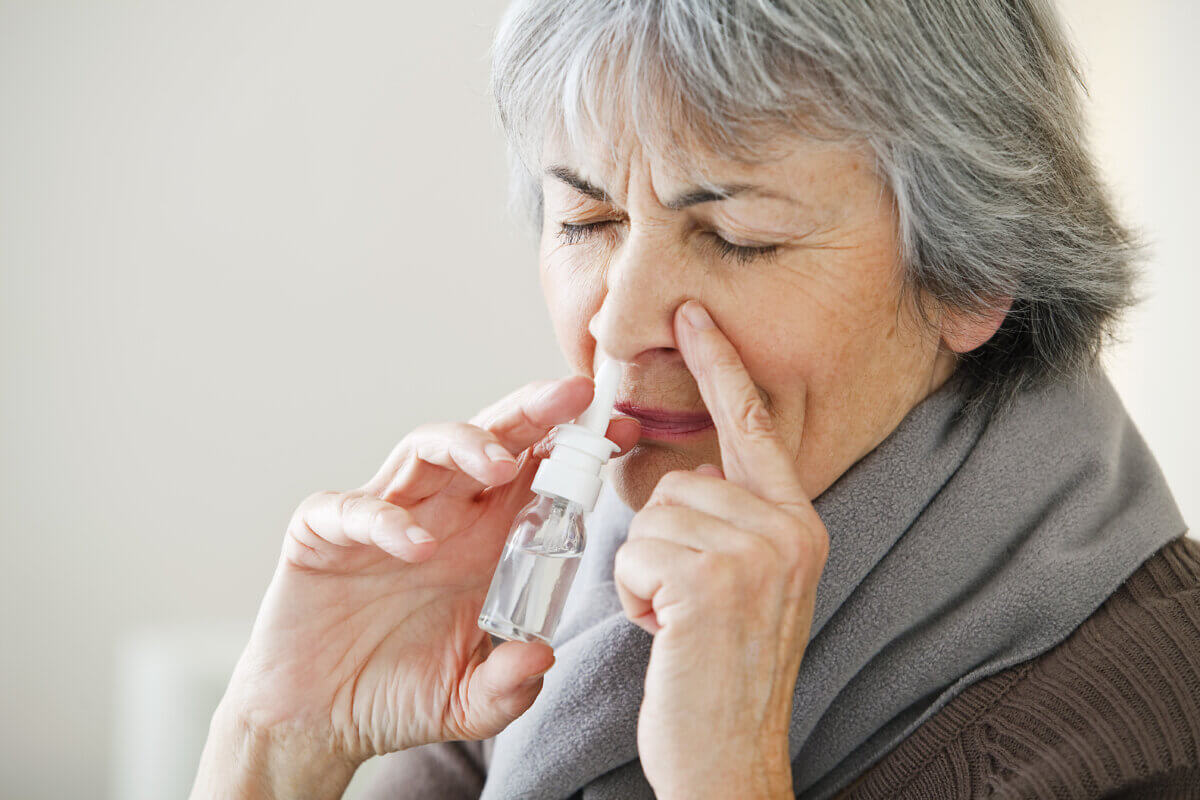
(Credit: Image Point Fr/Shutterstock)
GALVESTON, Texas — An innovative nasal spray that prevents Alzheimer’s disease and other potential neurodegenerative disorders could soon be put to the test in humans. Scientists at the University of Texas Medical Branch (UTMB) say their treatment led to remarkable results in clearing harmful tau protein build-up and improving cognitive functions in aged mice with neurodegenerative diseases.
Alzheimer’s disease, along with other related disorders, is associated with the abnormal accumulation of tau proteins inside brain cells. In healthy brains, tau proteins play a crucial role in maintaining cellular structure and organization. However, in neurodegenerative diseases, these proteins can become twisted and form tangles that disrupt neuronal function, leading to cognitive decline.
“This nasal spray approach opens new avenues for non-invasive delivery of tau therapeutic antibodies directly to the brain, and it holds promise for many neurodegenerative diseases,” says Dr. Rakez Kayed, the study’s lead author and a professor in the Department of Neurology at UTMB, in a statement.
The researchers developed a specific type of antibody called TTCM2, which selectively recognizes and targets toxic tau buildup. To overcome the challenge of delivering the antibody to the brain, they encapsulated TTCM2 in tiny particles, enhancing its ability to reach the brain through the nasal route. This method cleverly bypasses the blood-brain barrier, a significant hurdle in treating neurodegenerative diseases, ensuring rapid and effective delivery of the therapy.
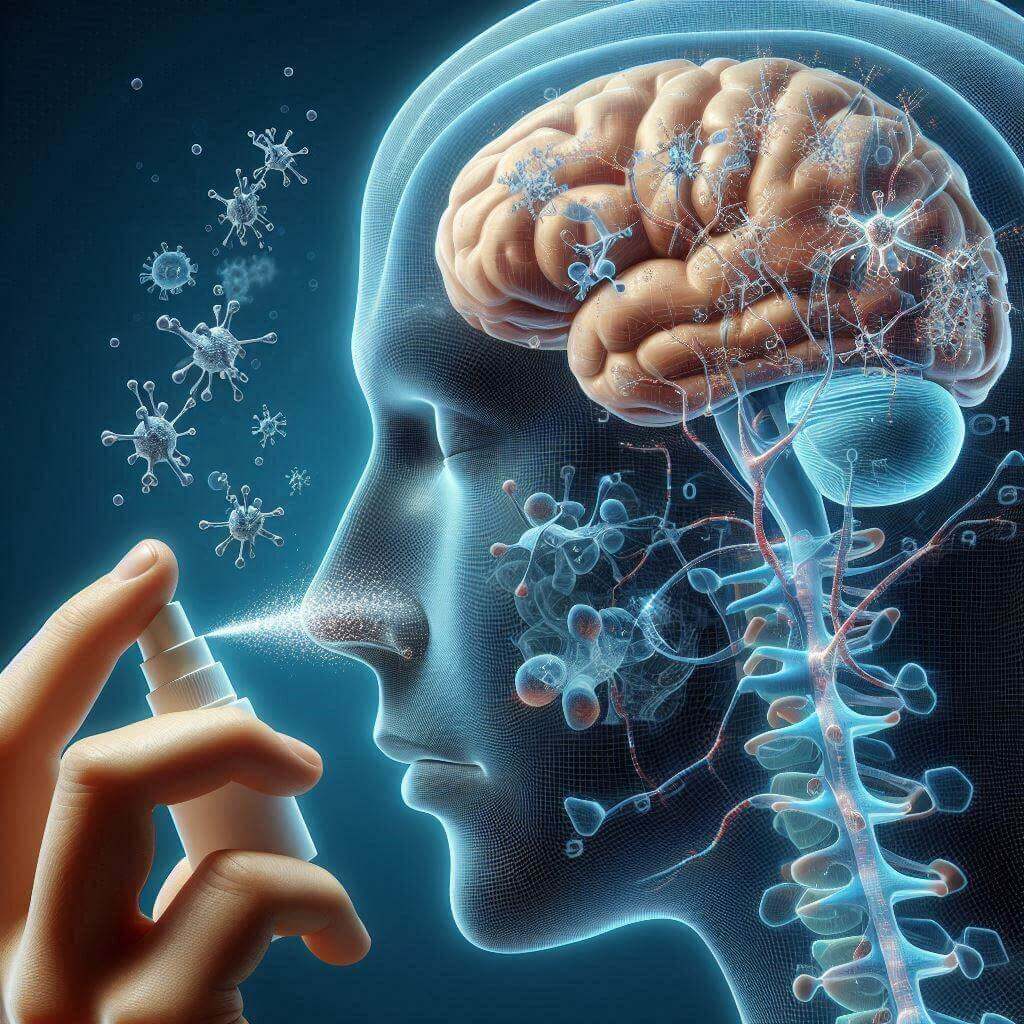
“Our research highlights the potential of nasal tau immunotherapy to effectively target intracellular tau aggregates– a primary driver of neurodegeneration and cognitive decline in diseases like Alzheimer’s and other tauopathies,” Kayed adds. “This method not only improves the delivery of therapeutic antibodies but also enhances their efficacy in clearing tau aggregates and improving cognitive functions.”
The results of the study are published in Science Translational Medicine.
What sets this approach apart is its ability to target tau proteins inside cells, an area where previous treatments have fallen short. The researchers discovered that TTCM2 works by harnessing the power of a naturally occurring protein in cells called TRIM21. This protein acts as an intracellular antibody receptor and helps tag the antibody-bound tau aggregates for destruction by the cell’s waste disposal system.
In tests with mice genetically engineered to develop tau pathology similar to human Alzheimer’s disease, the results were striking. A single dose of the nasal spray not only effectively cleared harmful tau aggregates but also increased levels of proteins important for communication between brain cells. Most importantly, the treatment led to significant improvements in cognitive function in older mice with established tau pathology.
“This advancement could significantly impact the treatment strategies for Alzheimer’s and related tauopathies, offering new hope for millions of patients suffering from these debilitating conditions,” says Sagar Gaikwad, first author of the study and postdoctoral fellow at UTMB.
While these results are extremely promising, it’s important to note that the study was conducted in mice, and further research is needed to determine if the treatment will be safe and effective in humans. The UTMB team plans to advance this research by conducting further preclinical trials and exploring the potential of their nasal spray treatment in human clinical trials.
As the global population ages and the prevalence of neurodegenerative disorders increases, innovative approaches like this nasal antibody treatment could play a crucial role in improving the lives of millions of people affected by these devastating conditions. The study, funded by grants from the NIH, Alzheimer’s Association, and UTMB Claude D. Pepper OAIC Pilot grant, represents a significant step forward in the fight against Alzheimer’s disease and related disorders, offering hope for more effective therapies in the future.


