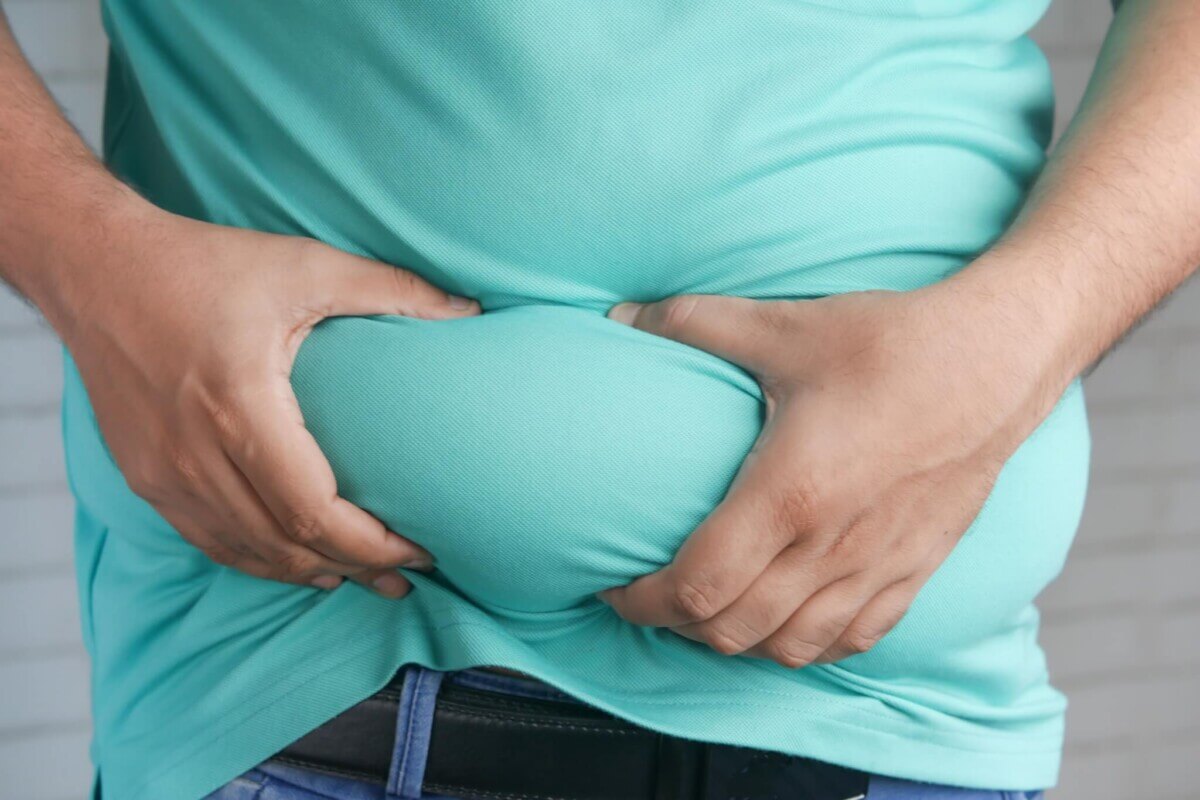
Brown fat tissue burns calories rather than storing them (Photo by Towfiqu Barbhuiya on Unsplash)
VIENNA, Austria — A groundbreaking weight loss invention could soon make it possible to drop those extra pounds without a single change in your diet. Unveiled at UEG Week 2024 in Vienna, researchers say their breakthrough takes an entirely new approach to weight loss — by targeting fat at the microscopic level.
Instead of focusing on traditional methods like cutting calories or increasing exercise, researchers have developed a cutting-edge nanoparticle system that targets the very process of fat absorption in our bodies. This innovative therapy could potentially allow people to eat normally while their bodies absorb less fat, leading to weight loss and better health.
For years, scientists have been studying fat metabolism, trying to find ways to reduce the amount of fat our bodies absorb from the food we eat. However, finding an effective method to block fat absorption has proven challenging.
“While most strategies focus on reducing dietary fat intake, our approach targets the body’s fat absorption process directly,” explains Dr. Wentao Shao, the lead researcher of this project.
The key to this new approach lies in a tiny enzyme called Sterol O-acyltransferase 2, or SOAT2 for short. This enzyme plays a crucial role in how our small intestine absorbs fat from the food we eat. By inhibiting SOAT2, the researchers believed they could reduce the amount of fat the body absorbs, potentially preventing obesity.
To target SOAT2, the research team developed an innovative delivery system using nanoparticles. These microscopic particles, invisible to the naked eye, are like tiny capsules made from a polymer core and coated with a protective shell. They’re designed to carry special molecules called small interfering RNAs (siRNAs) directly to the small intestine.
Once in the small intestine, these siRNAs work to reduce the expression of SOAT2, effectively putting the brakes on fat absorption. It’s like closing some of the doors that fat usually uses to enter our bodies.
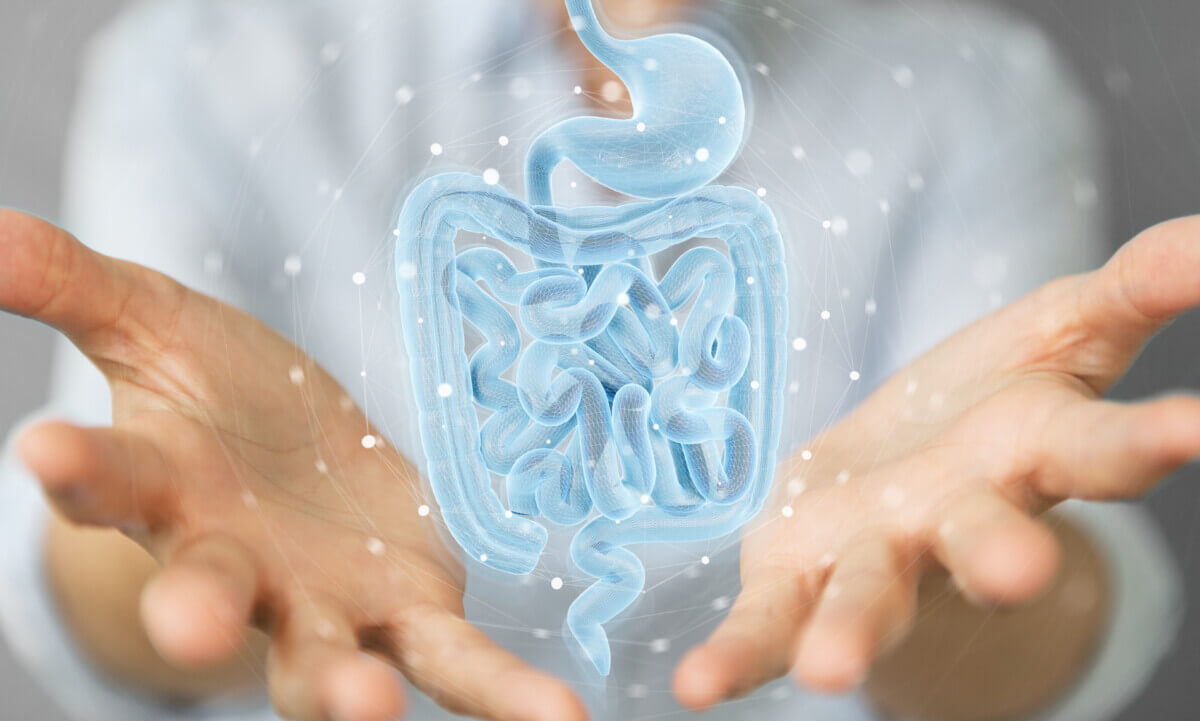
When tested in mice, the results were impressive. Animals treated with the nanoparticle therapy absorbed less fat and avoided becoming obese, even when fed a high-fat diet. This suggests that the treatment could potentially allow people to enjoy their favorite foods while reducing the negative health impacts of a high-fat diet.
“This oral treatment offers several advantages. It’s non-invasive, has low toxicity, and it has high potential for better patient compliance compared to current obesity treatments, which are often invasive or difficult to maintain. This makes it a promising alternative,” Dr. Shao highlights.
The study also shed light on the underlying mechanism of how SOAT2 regulates fat absorption. When SOAT2 is inhibited in the small intestine, it triggers a cascade of events that leads to the degradation of another protein called CD36, which is responsible for transporting fat into our cells.
This process involves both cellular stress and the recruitment of an enzyme called E3 ligase RNF5, which enhances CD36 degradation. In simpler terms, blocking SOAT2 not only closes some doors to fat absorption but also helps break down the “fat transporters” already present in the intestine.
One of the most exciting aspects of this new therapy is its ability to target fat absorption specifically in the intestines without affecting the liver.
“One of the most exciting aspects of this therapy is its ability to target fat absorption in the intestines without affecting the liver. This is important because previous studies showed that blocking SOAT2 in the liver can lead to fat buildup there – a risk our treatment avoids by focusing only on intestinal SOAT2,” explains Professor Zhaoyan Jiang, the study supervisor.
While the results in mice are promising, there’s still work to be done before this treatment could be available for humans. The research team plans to test the nanoparticle system in larger animals to confirm its effectiveness and safety for potential human use.
“We believe that this nanoparticle system represents a breakthrough in obesity management, offering a new solution that tackles both fat metabolism and diet-related weight gain, potentially ushering in a new era of more effective treatments,” Prof. Jiang concludes.
As obesity continues to be a major health concern worldwide, this innovative nanoparticle therapy offers a ray of hope. Targeting the root of fat absorption could provide a powerful new tool in the fight against obesity, potentially improving millions of lives in the process.


