
A Border Collie that ripped up paper (Photo by Julia Zavalishina on Shutterstock)
Ever come home to find your favorite shoes shredded, the couch cushions in disarray, and a guilty-looking furball wagging its tail? If you’ve ever wondered if your dog holds a PhD in mischief, you’re not alone. Some dog breeds just have a knack for getting into trouble, no matter how cute their puppy eyes are. Buckle up as we take you on a hilarious journey through the world of the most badly-behaved dog breeds. Spoiler alert: If your pup made the list, you might want to hide those shoes a little better! We have crafted this list of the most badly-behaved dog breeds based on which breeds were mentioned most by 10 experts. Which doggie will you be taking home? Let us know in the comments!
StudyFinds compiles lists of consensus picks featured on credible review sites. We aim to lay out top consumer research finds for you by bringing expert rankings to one place.
Table of contents
1. Alaskan Malamute
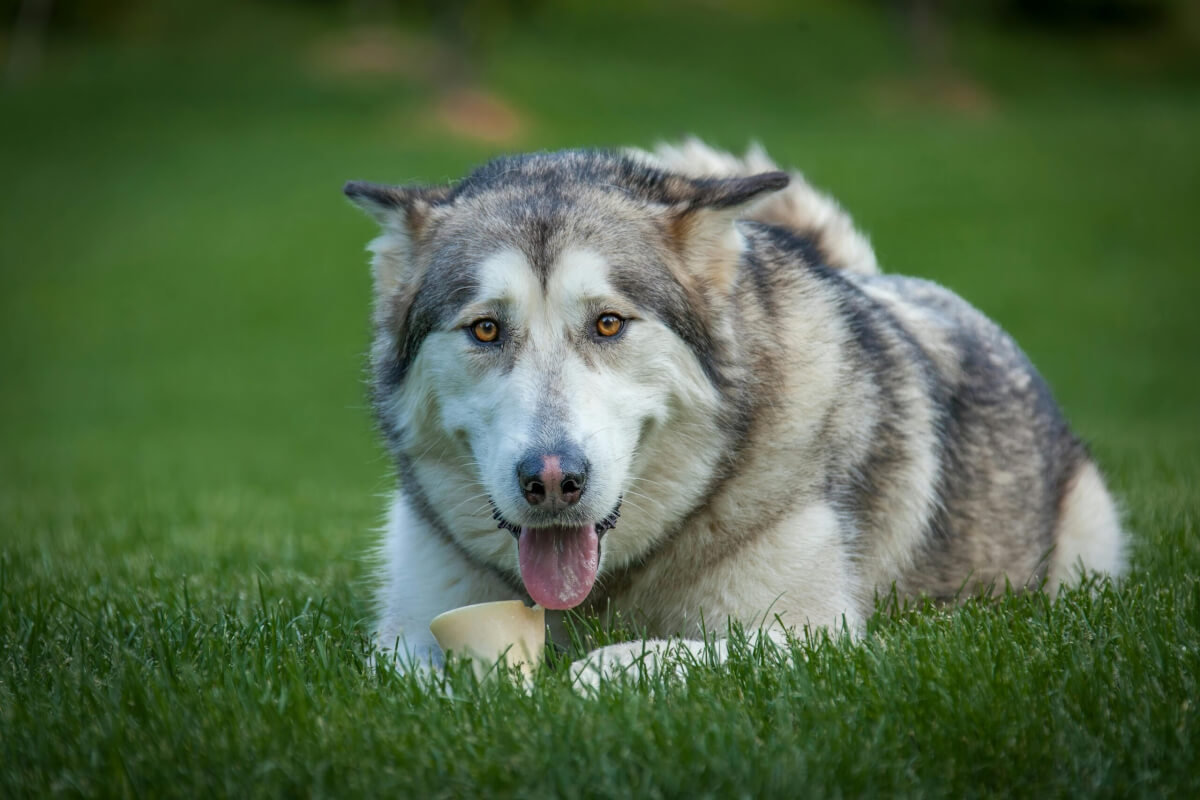
Number one on the list of most badly behaved dog breeds is the Alaskan Malamute. Beginner dog owners may want to go with a different breed as their first pup. While Alaskan Malamutes captivate with their majestic looks and independent spirit, don’t be fooled. These powerful pups pack a wallop of challenges under their fluffy coat. Think escape artist extraordinaire paired with a stubborn streak wider than the Yukon River. They require experienced owners, a firm hand, and a deep commitment to exercise and training. Forget about them being your first furry friend – Malamutes demand strong leadership and can easily overpower a rookie pet parent.
Beware their insatiable urge to explore, because your perfectly fenced yard is just a playground for their Houdini-like talents. With that being said, you definitely will want a fenced in yard with these flight risks on your hand. Daily walks and endless playtime are non-negotiables, or they’ll happily invent their own fun, often involving chewed sofas and cratered gardens. And forget introducing them to the local cat population – their strong prey drive makes them less than cuddly with smaller animals. Even canine companionship can be tricky, especially with same-sex pups.
But here’s the flip side: with unwavering dedication and proper training, these majestic escape artists can be incredible companions. Their independent spirit translates to unwavering loyalty, and their playful nature brings infectious joy. Just be sure to invest in a high-quality leash and a good therapist… you’ll likely need both on your Malamute adventure.
2. Chow Chow
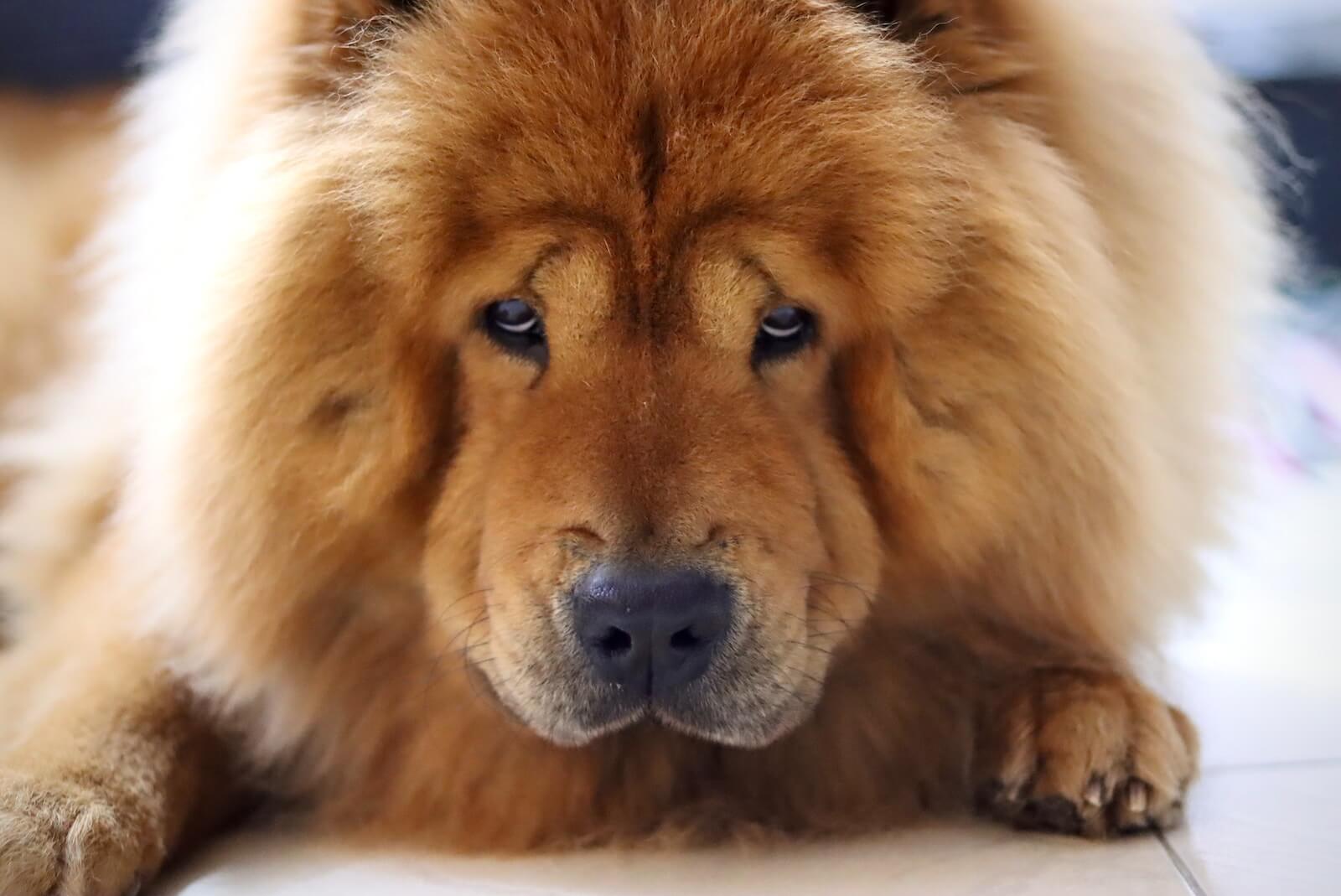
The Chow Chow’s teddy bear looks are enough to melt anyone’s heart. Those big, fluffy cheeks and soulful eyes could turn even the most dedicated cat person into a canine convert. But before you rush out to adopt this “wow”-inducing pup, be prepared for a potentially challenging furry friend.
Independent with an “I-did-it-my-way” attitude, Chow Chows are notorious for their stubborn streak. Training them can feel like wrangling a particularly opinionated toddler, and if you don’t start early and use consistent, positive reinforcement, you might end up with a pup who gleefully disobeys your every command. Just think: adorable defiance with a side of playful sass.
These fluffy guardians take their territorial instincts seriously. Their home is their castle, and they’ll readily sound the alarm (with a loud and impressive bark) at the slightest hint of a stranger. Early socialization is crucial to avoid this protectiveness tipping over into aggression. Think twice before welcoming a timid mail carrier or introducing your Chow Chow to the neighborhood chihuahua.
Chow Chows are not your average couch potatoes. These pups were bred for pulling sleds, hunting, and guarding livestock, so they have boundless energy and a strong “need to do something” spirit. If you don’t provide them with plenty of exercise and mental stimulation, they’ll find their own ways to entertain themselves, which might involve redecorating your living room with chew marks or digging a personal tunnel network in your backyard.
Owning a Chow Chow is a rewarding experience, but it’s definitely not for everyone. If you’re a first-time dog owner looking for a laid-back lapdog, this might not be the breed for you. However, if you’re an experienced owner with a sense of humor, boundless patience, and a commitment to training, a Chow Chow can be a loyal and loving companion. Just remember, this is a breed that marches to the beat of its own drum (or, more accurately, chases its own fluffy tail). Embrace their quirks, provide them with the structure they need, and you’ll be rewarded with a truly unique and unforgettable furry friend.
3. Border Collie
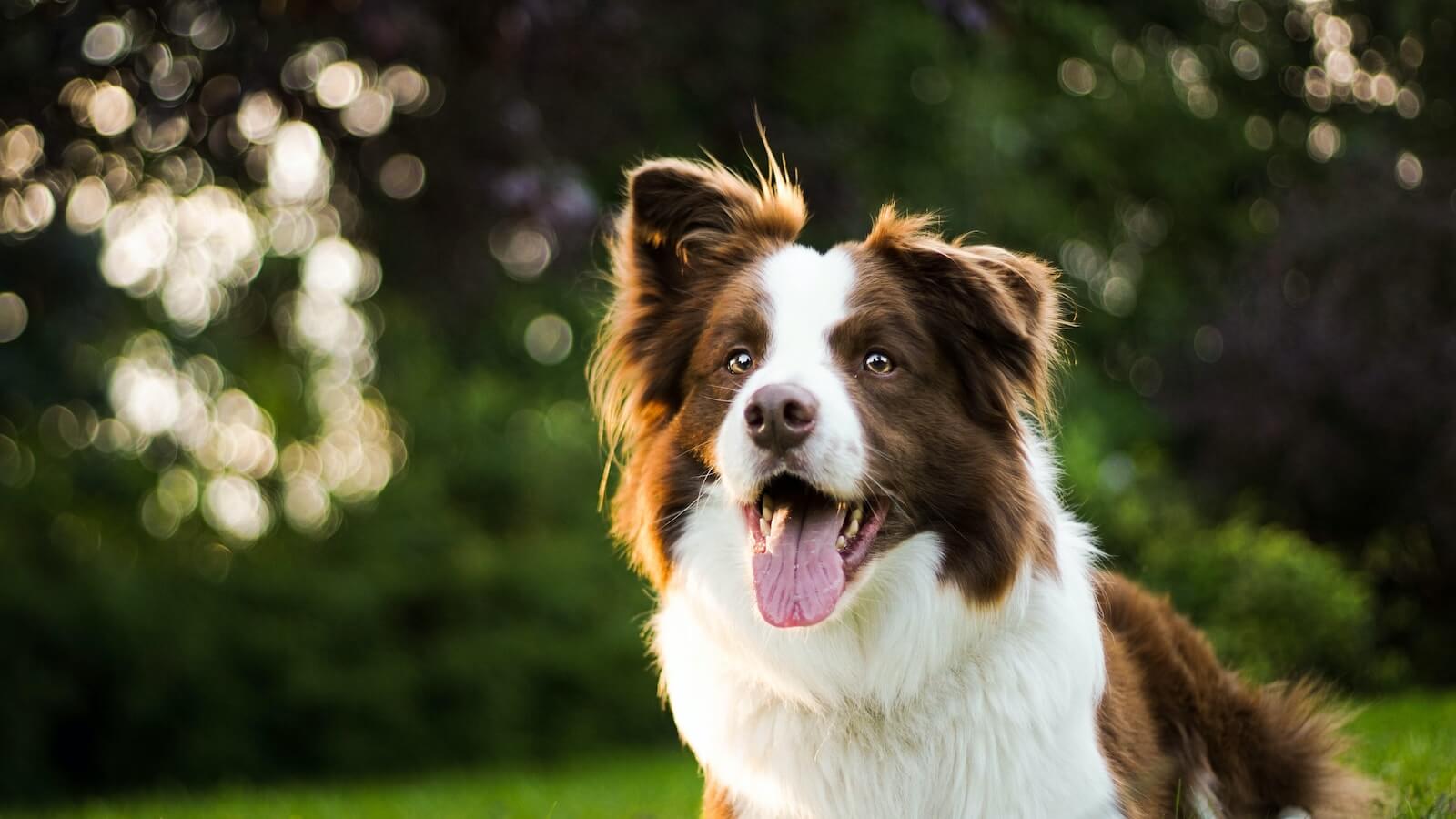
Border Collies are often hailed as the most intelligent dog breed, but with great intellect comes great responsibility. These pups are not for the faint of heart, as they require an almost unmatched level of mental stimulation and physical exercise.
While Border Collies are incredibly loving and adaptable dogs, they’re not the ideal breed for everyone. If you’re a first-time dog owner or lead a sedentary lifestyle, you might struggle to keep up with their demands. Consider breeds with lower energy levels and less intense needs if you’re not sure you can commit to a Border Collie’s lifestyle.
Owning a Border Collie can be a rewarding experience, but it’s important to be realistic about their needs. If you can provide them with the mental and physical stimulation they crave, you’ll be rewarded with a loyal, intelligent, and endlessly entertaining companion. Just remember, these pups are like Olympic athletes of the dog world – they need a training regimen and workout schedule to match!
Additional Tips:
- Start training early and use positive reinforcement methods.
- Provide plenty of opportunities for mental stimulation, such as agility courses, obedience training, and interactive toys.
- Make sure your Border Collie gets at least two hours of exercise per day.
- Socialize your Border Collie from a young age to help them avoid herding behaviors towards other people and animals.
With the right commitment and dedication, you and your Border Collie can have a happy and fulfilling life together. Just be prepared for a whirlwind of fur, fun, and endless energy!
4. Akita
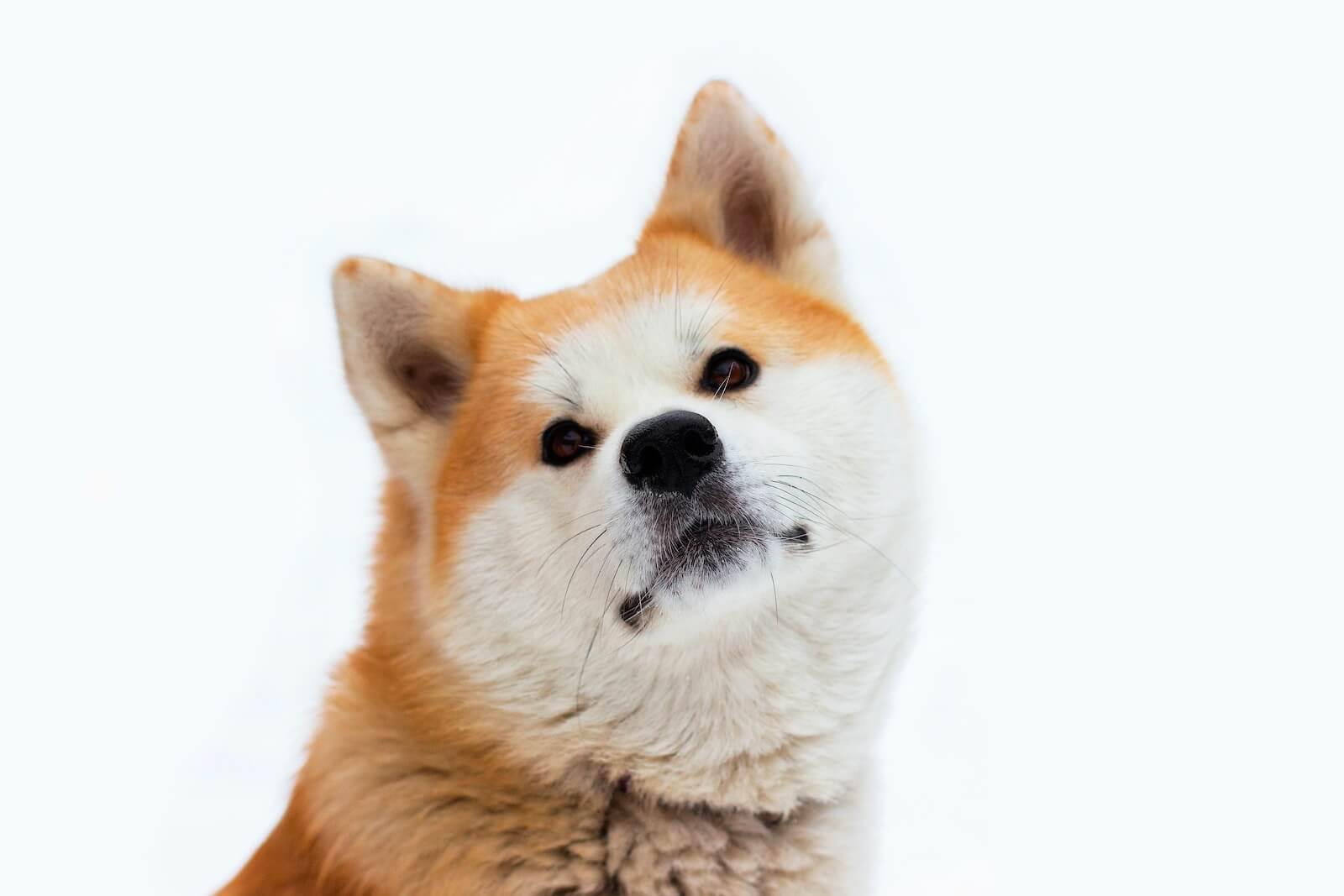
The Akita’s stunning looks may melt your heart with their fluffy coat and charmingly curled tail. But beneath this regal exterior lies a hidden truth: owning an Akita is no walk in the park.
Imagine a powerful pup, with 80-130 pounds of muscle easily overshadowing even the most experienced dog owner. These silent hunters, bred for bear hunting, come equipped with a strong prey drive and might not readily accept tiny housemates. Akitas are a study in contradictions: loyal and loving one moment, moody and independent the next. Their stubborn streak requires patient and consistent training to navigate the dramatic mood swings that can lead to aggression.
Their territorial instincts are no joke, making them wary of other dogs and demanding extensive socialization to curb their protective tendencies. Don’t let their cuddly teddy bear looks fool you – these high-energy pups need at least 1-2 hours of daily exercise to prevent destructive behaviors.
Owning an Akita is a marathon, not a sprint. It’s a commitment to an experienced owner who can handle their strength, independence, and potential for aggression. Only with dedication and skill can you unlock the true joys of this magnificent breed. So, before you succumb to the Akita’s alluring charm, remember: beauty often comes with bite.
5. Rottweiler
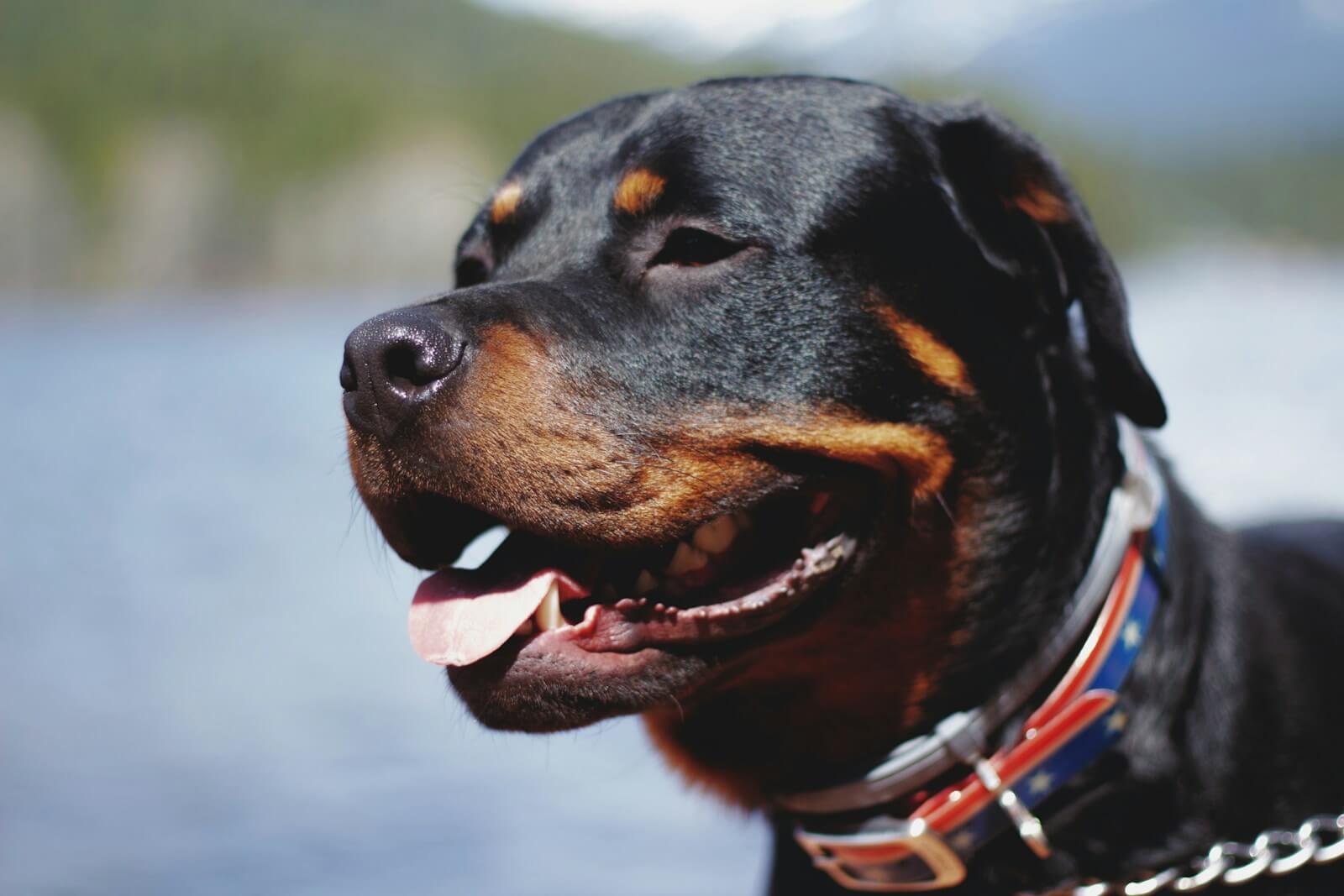
The Rottweiler’s intelligence and devotion are undeniable, but their impressive size and independent spirit make them a demanding companion for experienced owners only. Think powerful pup with a big heart, bred to herd cattle and guard homes.
Their impressive physique requires a confident leader with firm handling skills. First-time owners beware – these pups are not pushovers.
Consistent, positive training from puppyhood is crucial to manage their independent streak and prevent aggression. Their fierce loyalty can manifest as protectiveness, leading to potential issues with strangers or other dogs if not properly socialized.
Don’t be fooled by their intimidating exterior. With the right care and guidance, Rottweilers are incredibly affectionate. But their love comes with a hefty price tag: early socialization, consistent training, and ample exercise are non-negotiables.
Think you can handle the challenge? Owning a Rottweiler is a commitment to providing structure, training, and exercise to channel their energy and manage their protective instincts. Only then can you unlock their loyal and loving nature. Remember, a Rottweiler is a powerful friend, not a casual companion. Choose wisely and invest in professional training if needed, for a happy and fulfilling life together.
6. Weimaraner

The Weimaraner’s captivating beauty with their sleek silver coat and piercing blue eyes might tempt anyone, but beware of the demanding spirit hidden beneath. This high-octane hunting breed is not for the faint of heart.
Weimaraners need a minimum of two hours of daily exercise and mental stimulation. Long walks, runs, and interactive games are your new best friends, or prepare for chewed furniture and shredded curtains. Their sharp minds come with a stubborn streak, making training a dance of patience and positive reinforcement. Only experienced owners can handle their independent spirits.
Separation anxiety is their Achilles heel. Be prepared for howling, barking, and general mayhem if left alone for long. Early socialization and a consistent routine are crucial to keep them calm and content. And forget about carefree romps off-leash. These 35 mph speed demons with their hunter instincts will be gone in a flash if given the chance.
But for the right owner, the rewards are boundless. Loyal, athletic, and intelligent, Weimaraners can be fantastic companions. Just be prepared to invest in training, provide ample exercise, and create a consistent routine. Their mischievous streak and potential for destructive behaviors thrive on boredom and neglect.
Owning a Weimaraner is a commitment, not a casual fling. So, if you have the experience, dedication, and active lifestyle to match their fire, you’ll be rewarded with a truly amazing friend. Just remember, unlocking their potential takes work, but the love and companionship you receive in return is worth every drop of sweat (and chewed slipper).
7. Siberian Husky
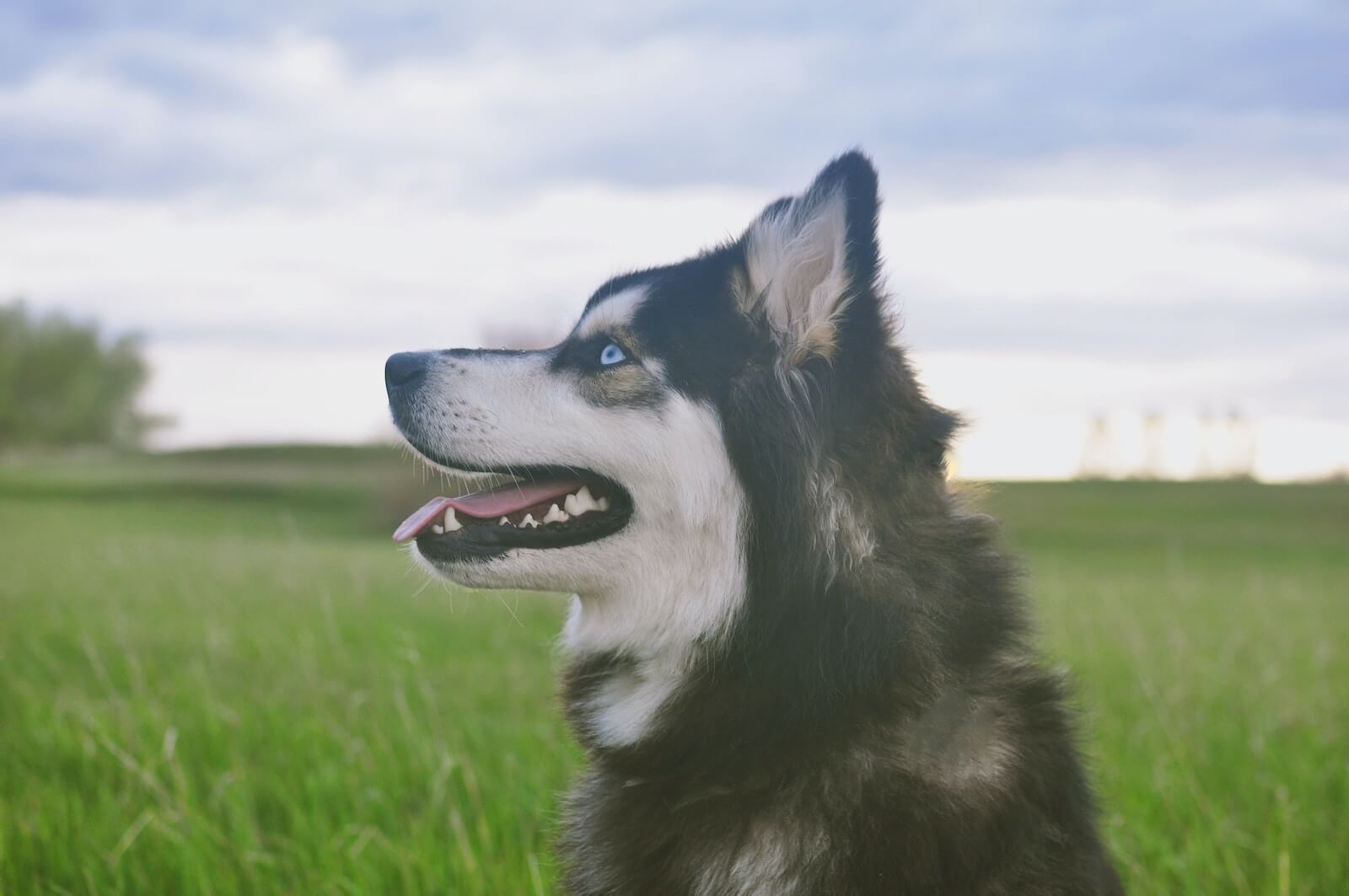
The Siberian Husky’s captivating beauty – with their fluffy coats and graceful movements – might tempt anyone, but don’t be fooled. These endurance marvels, bred for arctic sledding, are not couch potatoes.
Forget one walk a day – these pups need at least two hours of intense exercise and mental stimulation daily. Otherwise, boredom breeds destruction: shredded curtains, excavated gardens, you name it. Their escape artist tendencies are legendary, requiring secure fences and watchful eyes – let them off-leash at your own peril.
Their strong prey drive makes them less-than-ideal housemates for cats or other fluffy friends. And don’t expect instant obedience: their independent streak means off-leash walks are a no-go, even in seemingly safe areas.
The Husky challenge isn’t just about their looks. It’s about commitment. For experienced owners with active lifestyles who can provide consistent training, endless play, and secure enclosures, these pups are amazing companions. But boredom and lack of structure are disaster recipes.
Embrace their adventurous spirit and boundless energy, invest in training, and create a safe haven. But for those who dedicate themselves, the reward is a loyal, playful, and unforgettable friend.
Understanding Your Dog
Dogs have their own way of thinking. Understanding how your dog perceives the world can improve communication between you and your pup, making it easier to improve any stubborn behavior habits you’d like to change. Keep in mind that different breeds have different needs and temperaments. Understanding your dog’s breed can help you tailor your training and care.
Here are some tips to consider when it comes to trying to make your dog better behaved.
Basic Training
- Obedience Training: Start with basic commands like sit, stay, come, and down. Consistency is key.
- Socialization: Expose your dog to different people, animals, and environments to promote well-adjusted behavior.
- Positive Reinforcement: Reward good behavior with treats, praise, or play. Avoid negative reinforcement which can lead to fear or aggression.
Advanced Training Techniques
- Clicker Training is a popular method that uses a sound (a click) to mark desired behavior, followed by a reward.
- Crate Training teaches dogs to be calm and secure in a crate. It’s useful for house training and when traveling, but some people struggle seeing their pet locked in a cage, even if it’s content.
- Leash Training goes beyond just walking on a leash. Training your dog to walk without pulling is a fantastic habit that will go a long way for you and your dog when out and about.
Behavioral Issues
- Chewing and Destructive Behavior: Provide appropriate chew toys and keep valuables out of reach. Understand the cause (boredom, anxiety).
- Barking: Teach a ‘quiet’ command. Understand why your dog barks – attention, alarm, boredom, or response to other dogs.
- Aggression: Consult a professional trainer or behaviorist. Never punish aggressive behavior, as it can escalate the problem.
Health and Wellness
- Regular Exercise is essential for dogs just like it’s essential for humans. Adequate exercise is crucial for physical and mental health. Tailor activities to your dog’s age and health.
- Balanced Diet: A healthy diet also affects behavior. Consult your vet for dietary advice and make sure the food you’re giving your pup is best for its age, size, and breed.
- Regular Vet Check-ups: Health issues can affect behavior. Regular check-ups can catch problems early.
Consistency and Patience
- Create routines. Dogs thrive on routine. Consistent feeding, walking, and training schedules create a sense of security.
- Patience is key. Behavior change takes time. Be patient and celebrate small victories.
Remember, each dog is unique, and what works for one may not work for another. Consult your vet or a professional trainer if you’re truly struggling to keep your dog’s behavior under control.
Sources used to create this consensus list
- Healthy Home Made Dog Treats
- The Dog Snobs
- Hepper
- Hull Daily Mail
- Pure Wow
- A-Z Animals
- Wag Walking
- WCSX
- The Spruce Pets
- The Top Tens
Note: This article was not paid for nor sponsored. StudyFinds is not connected to nor partnered with any of the brands mentioned and receives no compensation for its recommendations. This article may contain affiliate links in which we receive a commission if you make a purchase.


This is a terrible, inaccurate article.
I’ve had 2 chows in my life as well as other breeds and they were extremely well behaved. Stubborn, yes, but amazing, very intelligent dogs.
???????????? – best response!!
Hard to validate this article when you post a picture of the wrong breed for your first “badly behaved” breed of dog. That’s a husky, not a malamute. I had a malamute as a first time dog owner and I didn’t have trouble with her. She was a great dog and got along with all other dogs, male and female. We adopted a cat when she was 7 years old and they lived happily together. While malamutes have an independent personality, they’re not badly behaved dogs. It’s all up to the dog owner to properly socialize, exercise, raise and take care of the dog!
I have a house full of border collie and border collie crossbreed. I also have a kelpie and kelpie cross border collie.
Maybe because I’ve lived with them fir many years I don’t find them difficult in any way. True working dogs yes but they can also be couch potatoes.
My son owns a beautiful border collie. He goes to walkies for the day twice a week. He has been well-trained, and he’s such an obedient boy. It’s been a pleasure to have him. They’re beautiful dog to have if you’re prepared to put in the training and exercise them they can be very loyal
I have owned quite a few dogs of diffinerent breeds. My rotty was the smartest and easy to train. I started early and it took about a week to have the basic commands mastered. It took a little longer for potty training, but once she figured it out she never had an accident. She did die at nine from cancer. I now have a border collie mix and a mastiff boxer mix. Two of the most different dogs every from each other. Training is on going. I AGREE there are no stubborn dogs just lazy and impatient owners.
I live in France and own a Griffon. She is very difficult. Why don’t articles give advise on dealing with this breed?
New Title: 7 Amazing Breeds that Bad Owners Can’t Handle
Exactly!! Excellent title, love it!
YES!!!! I agree and love this comment. ????
Perfect comment!
Most of the problems with dogs are the owners. Number one problem is they take a working dog and try to keep them in a house, apt, or a backyard. Its not gonna work!! PERIOD !
Don’t believe a word of this.
good for you ????
Husky should be right up there with the Malamute if not #1. As for Border Collies they need a daily regular schedule. Plus crate training is a very good idea too. Place the crate in a quiet room where the dog can go if he is nervous, too much noise in the household. I was a border collie mom to a lovely red & white named Benny. Border Collies get bored & will get into things they shouldn’t if they are not kept busy. Busy toys, squeaky toys, stimulation toys are some of the items you want to have on hand for your BC. Crate training is essential your BC will use the crate as his sanctuary. My dog was trained to be a people greeter at several art galleries in our area, plus he socialized with other dogs on a regular basis & he loved his chickens. Border Collies, Huskies, & malamutes are not for everyone. DO YOUR RESEARCH!!! I work at an animal shelter & these are several breeds we see turned into the shelter along with various breeds of Shepherds. Too many get to us with such aggressive behavior because people did do their research & then did not follow through with proper training of their dog.
Border Collies are a great family pup. If they’re socialized & trained properly you’ll have a great companion for their life. Best friend I ever had.
Crate training is not essential for all border collies! We do not and will not use a crate.
If ppl choose to, that’s fine.
My border collie is 9, he has never chewed on anything that wasn’t his toy. Has never stolen food, even if something is dropped on the floor he will not touch it without approval. He’ll stare at it, but won’t touch it. Maybe crates are for ppl who are not home with their bc all the time or maybe ppl who do not 100% trust their bc will make the right choice when they are alone. I do have 100% trust in my bc, he is rarely left home on his own, but at almost 9 years old, when he has been left home, he has never touched anything, not even the cat food!
Photo of Alaskan Malamute is actually a Siberian Husky. Malamutes don’t have blue eyes.
What kind of drivel is this?
Clearly, professional trainers did not contribute to this article.
In the animal behavior world, we haven’t used the word stubborn since the dark ages. Using this outdatedand inaccurate language to describe dogs gives owners the idea that the dog is “wrong” or “bad”. All training is, is communicating effectively to the other being so that they understand what we are asking of them, then practicing it consistently etc. Labeling a non human animal as “stubborn” puts barriers up to learning, and therefore also blames the animal for the “wrongdoing”, deflecting the blame onto the real problem, the human that is supposed to know better. Heck, humans in our lives we have labeled as stubborn, certainly rarely have STOPPED being “stubborn”. Hence the term.
lol
So true I have 3 border collies who are couch potatoes sure they like a walk & to play Frisbee or tennis ball but they also love nothing more than snuggling up with their humans & chilling out
Well said.
Erika that’s not a picture of an Alaskan Malamute, they never have blue eyes !
Weimaraner’s don”t
have blue eyes.
Mine had piercing blue eyes when he was little, then they turned green. My neighbor has my dogs brother and his are green, another friend has one and hers are bright blue.
Hi, the weimaraner in the picture doesn’t have blue eyes. Their eye color should be amber as adults, although they are born with blue eyes but these fade entirely after just a few days. Their eyes also change color — from blue at birth to light amber, gray, or blue-gray — as they mature.
There are no badly behaved dog breeds. Just poorly trained dogs either by inept owners or owners too cheap to pay for proper training.
Why do you need a professional trainer?
Your negative comment about dog owners’ ability to pay for proper training is so inappropriate, mean spirited and kind of speaks to YOUR character. It’s easy to stay judge other people based on absolutely nothing except maybe your prejudices. If someone cannot afford to pay for training it is not necessarily because they’re cheap. Maybe they’re on a fixed income, maybe their finances are otherwise prioritized and not focused on dog training …. there are so many reasons why someone might not be able to afford dog training. Don’t be a creep.
????????????????????????
Although Rottweilers are a very powerful breed, I think they get a bad rap. When owners mistreat any breed they can become unmanagable and aggressive. Your article is good advice.
We had an American Rottie for 13 years, He died of cancer. We treated him well, lots of love and discipline. He made friends with our mailman! Very intelligent and loving.
I’ve owned malamutes for over 30 years and agree with most of what you had to say. I’ve always had 2 at a time of different sex. Until my latest 2, they were a year apart. They always got along with each other great. My current 2 are 4 months apart. It was the smarts thing. Two puppies growing up together has made them much more well behaved. They learned to sled together so no issue with who wanted to lead. BTW, your picture is not a malamute but a husky.
One thing you forgot to mention is that they typically don’t get along with strange dogs. Introduce them to other dogs while they are puppies.
Your malamute picture is a Siberian husky. Malamutes never have blue eyes.
I raised and showed Alaskan Malamutes in the 1970s. While that is a very long time ago, I found them to be loving, attentive and generous with their affection. They were willful and not country dogs that could roam and could harass my neighbors pigs. But Nui and Toggi were much loved. Siberian Huskies, on the other hand, are sneaky, mean and sly. Have a Cairn Terrier now. JA
i have to disagree I have siberian huskies ,they are amazing dogs mine don’t bark , and they are not mean, I will agree on lots of energy and like to escape, and I also own Samoyed‘s, it has alot to do with the owners,
I’m sorry for putting this comment here, but I can’t quite figure out how to be permitted to make a comment.
Nothing is “superseded” by its reputation. I think the phrase you mean is “preceded” by their reputation.