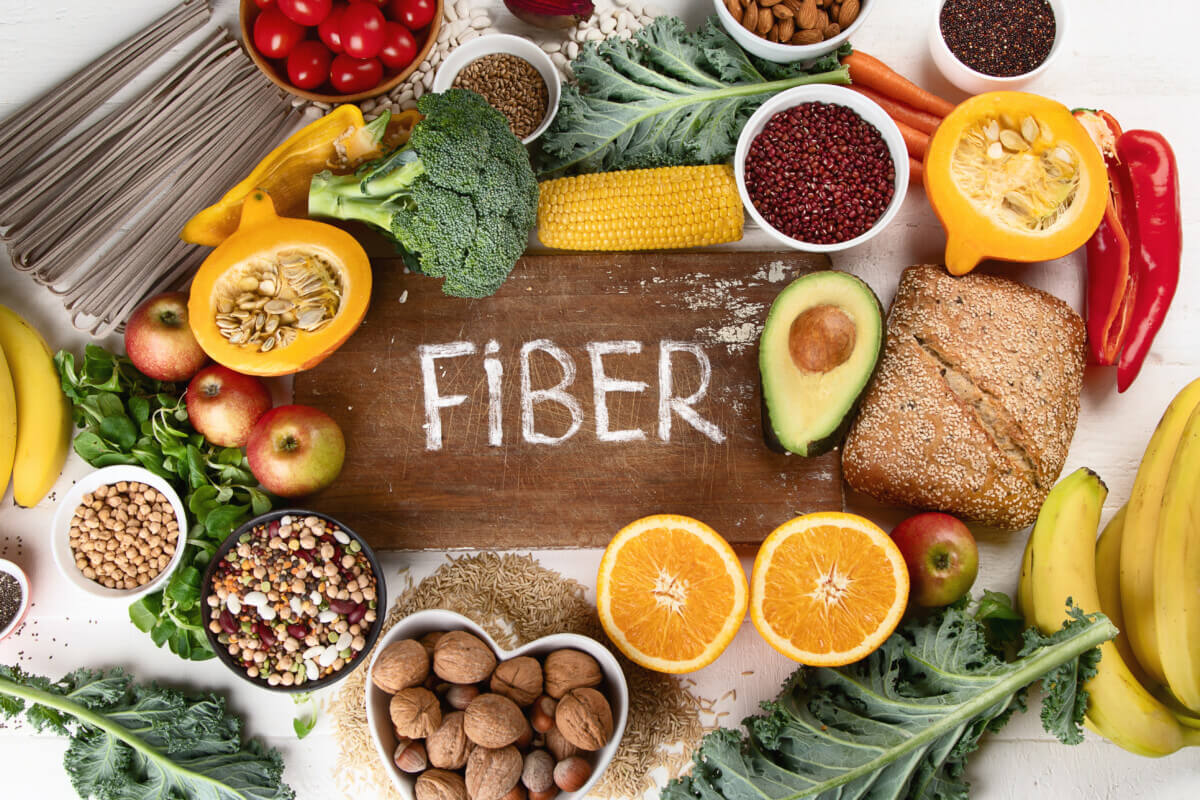
Incorporating enough fiber in a low-carb diet is important. (© bit24 - stock.adobe.com)
Many people are calling this the year of fiber! When it comes to nutrition, it’s finally getting all of the hype that it deserves. Fiber is in all fruits, vegetables, beans, legumes, nuts, whole grains, and seeds. However, it doesn’t digest, which is what makes it so beneficial for us. General recommendations suggest eating 25 grams daily for women and 38 grams daily for men, respectively. However, hitting these numbers may not benefit everyone. Although fiber is super healthy for many people, it may not be for others. So, when does fiber do more harm than good?
Fiber is known to support weight loss efforts, reduce cholesterol levels, promote blood sugar regulation, improve heart health, and stave off constipation. Despite these benefits, some people may need to eat a low-fiber diet for medical or health reasons, though typically only for a limited time to allow their digestive system to rest.
Temporary adherence to a low-fiber diet can help to improve symptoms and make eating a more pleasurable experience. Usually, people who are advised to stick with this type of diet struggle to eat foods that normally wouldn’t cause many issues, like a piece of fruit or a raw carrot. For example, people with Crohn’s disease or ulcerative colitis, those who have gone through gastrointestinal surgery, or those with persistent diarrhea that is resistant to improvement after various treatments.

Low-fiber foods include skinless potatoes, apple sauce, refined white grains, and well-cooked veggies without skins or seeds. It’s recommended that you work closely with a doctor or dietitian if you feel you’d be a good candidate for a low-fiber diet to ensure you do it properly and are able to reintroduce higher-fiber foods soon after.
High-fiber foods like whole grains, beans, legumes, and raw vegetables provide lots of valuable vitamins, minerals, and antioxidants that promote optimal health in addition to their fiber content. Additionally, those who eat a low-fiber diet, especially longer term, are at higher risk of unsafe weight loss and malnutrition, given that dietary choices become more limited. Therefore, it’s recommended to:
- Prioritize eating as varied as possible
- Include calorie-dense foods
- Drink sufficient water
- Ask your doctor or dietitian if you may benefit from taking supplements to fill gaps in nutrition as needed
At the end of the day, there are so many individualized approaches when it comes to dietary interventions for people with gut conditions, leading to a better quality of life. Conditions like Crohn’s disease can be severely life-altering and debilitating depending on severity.
While fiber is beneficial, it might come to a point where severely limiting it is the only option for certain people. Consuming fiber can aggravate symptoms of certain conditions significantly, so cutting down on fiber can provide much-needed relief for these patients. It is important to work with a healthcare professional to identify individual triggers and things that work to help create sustainable, long-term solutions.


