
(© New Africa - stock.adobe.com)
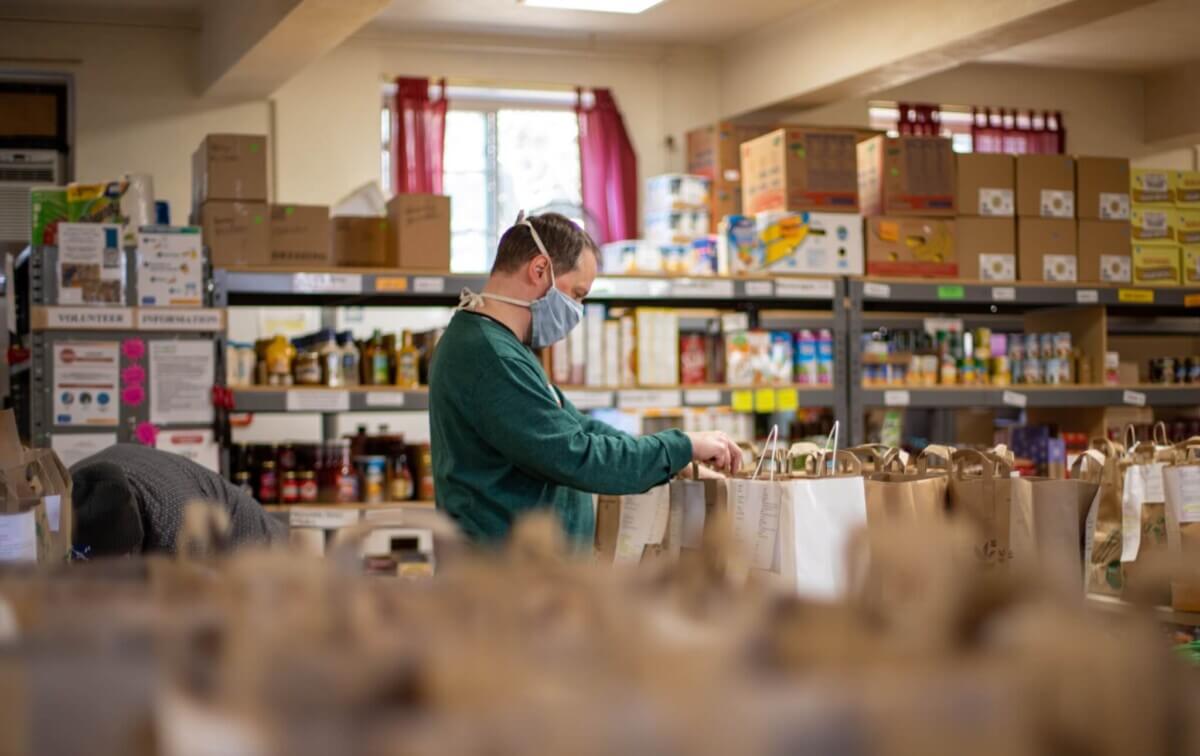
ATHENS, Ga. — A disturbing new study reveals the scope of food insecurity within the military community. University of Georgia researchers say approximately one in eight military families with at least one child has relied on food banks, pantries, or other charitable food resources in the past year.
The study, which surveyed more than 8,325 families with active-duty service members in the U.S. Army or Air Force in spring 2021, sheds light on the challenges faced by military families, including issues of food insecurity. Researchers relied on data from the National Military Family Association, a nonprofit advocacy group dedicated to improving the lives of U.S. military families.
The study found that 13.2 percent of the surveyed military families reported using food distribution resources at least once in the past 12 months. Notably, the odds of utilizing a food pantry increased by 35 percent for each dependent child in the family. Researchers uncovered significant variations among different groups of military families.
Army families were 131 percent more likely to use a food bank than Air Force families, indicating disparities between the branches of the military. Additionally, lower-ranking service members were more likely to turn to food distribution resources compared to higher-ranking individuals. The study also found that Asian, Black, and multiracial families were approximately 50 percent more likely to use food distribution services than White families.
“If we look at the American population in general, about half of Americans are living paycheck to paycheck,” says study lead author Catherine O’Neal, an assistant professor in UGA’s College of Family and Consumer Sciences, in a university release. “So it’s not really all that surprising that what we’re seeing with the military reflects the broader population.”
Previous research has indicated that one in four military families faces some level of food insecurity, defined by the U.S. Department of Agriculture as a lack of access to enough food for each person in a household to live a healthy life.
The study underscores a critical issue — a disconnect between the number of people who likely need assistance to feed their families and those who actually receive the necessary support.
“Stigma is a common suspect for why people don’t utilize the resources available to military families,” notes O’Neal. “There’s this idea that they will be perceived as somehow less than or not capable. Alleviating the stigma connected to using food resources and making sure people are connected to their communities and know what resources are available to them are key to helping solve this problem.”
Researchers also revealed that dual-income military families were 27 percent less likely to use a food bank than single-earner households. However, it’s challenging for military families to maintain employment when they frequently relocate due to service requirements, incurring additional costs.
Moreover, while military families receive a base allowance for housing, it may not always cover housing expenses in cities with high costs of living and limited housing options. Factors like the COVID-19 pandemic and inflation have added to the financial stress experienced by many military families, further highlighting the need for comprehensive solutions.
“Military families are first and foremost families,” says O’Neal. “No one is immune to the potential of financial stress. Any efforts to address food insecurity will have to be a multi-pronged initiative that addresses the many contributing factors. As one part of that effort, military financial literacy efforts are underway to help military families understand how to maximize their pay and get the most out of their money.”
The study is published in the journal Public Health Nutrition.


