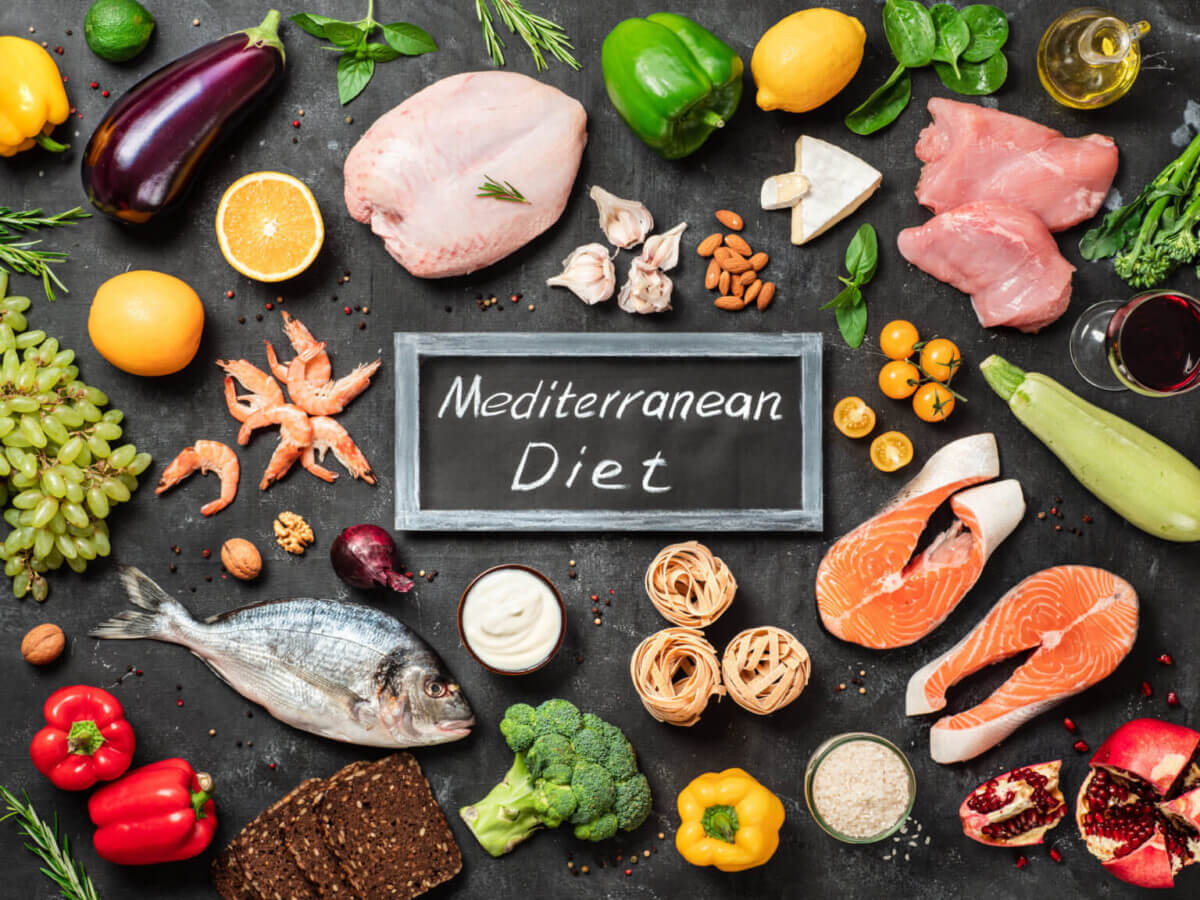
Sustituir los productos de la dieta occidental por los de la mediterránea también podría disminuir el riesgo de otras enfermedades crónicas. (© fascinadora - stock.adobe.com)
BINGHAMTON, N.Y. — Feeling constantly stressed out? Changing up your diet could help. New research suggests that following a Mediterranean-style diet, which emphasizes whole, plant-based foods, may contribute to lower levels of perceived stress and better mental well-being compared to a traditional Western diet high in processed, high-sugar foods.
The study, conducted by a team of researchers from Binghamton University in New York, surveyed over 1,500 adults about their eating habits and measured their levels of perceived stress and mental distress. Using statistical analysis, the researchers found that people who consumed more items in the typical Mediterranean diet, such as whole grains, seafood, fruits, vegetables, and beans, tended to report lower levels of perceived stress and mental distress.
“Stress is recognized to be a precursor to mental distress, and research, including our own, has demonstrated that the Mediterranean diet lowers mental distress,” explains Lina Begdache, the study’s lead author and an associate professor of health and wellness studies, in a university release. “Thus, one element of the puzzle may be explained by the fact that the Mediterranean diet may be associated with a decrease in the negative components of perceived stress and an improvement in its positive attributes.”

In contrast, the researchers found that people who ate more foods typical of the Western diet, like fast food and high-glycemic index foods, tended to report higher levels of perceived stress and mental distress. Interestingly, the team also observed a negative connection between eating meat and stress/distress levels, despite meat being more associated with the Western dietary pattern.
Begdache adds that the Mediterranean diet contains healthy fats and mostly includes wholesome food and a spectrum of natural colors. Previous research has shown that the Mediterranean diet offers a range of health benefits, from improved heart health to reduced risk of certain cancers. However, the new findings suggest it may also have mental health advantages by helping to manage stress levels.
The researchers believe this could be because the Mediterranean diet provides a wide array of beneficial nutrients that support brain function and regulate the body’s stress response system. For example, the healthy fats in the diet may help reduce inflammation, which has been linked to higher stress and poorer mental well-being.
“Our findings provide evidence that dietary patterns modulate the stress response and suggest that incorporating components of the Mediterranean diet is beneficial for mental wellbeing and stress reduction,” the authors wrote in their paper, published in the journal Nutrients.
So, if you’re feeling overwhelmed by stress, it may be worth trying to incorporate more Mediterranean-style foods into your diet. Swapping processed snacks for fruits and veggies, choosing whole grains over refined ones, and using olive oil instead of butter are all easy ways to start moving in a healthier direction. Of course, diet is just one piece of the stress management puzzle, but this new research suggests it could be an important one, offering a simple, accessible way for people to potentially improve their mental health and resilience to stress.


