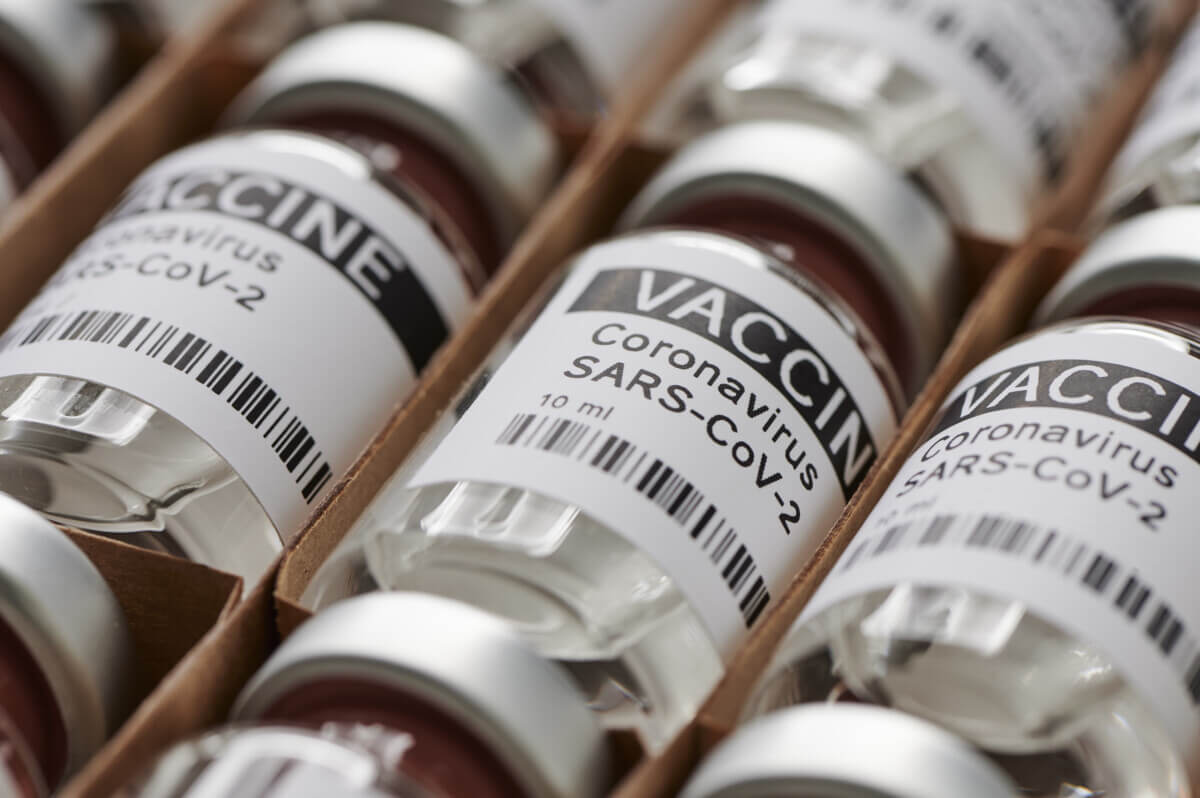
(© M.Rode-Foto - stock.adobe.com)
BOSTON, Mass. — As the world races to get as many people as possible vaccinated, countries, cities, and communities all over the world are working overtime trying to figure out how to increase vaccination rates. One idea picking up some steam is the concept of a vaccine lottery. In short, people who get the COVID vaccine have a chance to win cash or other prizes. Unfortunately, researchers from the Boston University School of Medicine find such campaigns don’t lead to higher vaccination numbers.
Study authors analyzed Ohio’s “Vax-a-Million” lottery-based incentive system during this project. The team ultimately concluded these incentives don’t lead to an increase in COVID-19 vaccinations among the public.
Earlier media reports suggested Ohio’s vaccine lottery was a success, leading to more local vaccinations. Consequently, other states adopted similar lotteries.
“However, prior evaluations of the Ohio vaccine incentive lottery did not account for other changes in COVID-19 vaccination rates in the United States, such as those that may have been due to expansion of vaccination to ages 12-15,” explains corresponding author Allan J. Walkey, MD, MSc, professor of medicine at BUSM, in a university release.
Researchers used data provided by the U.S. Centers of Disease Control and Prevention for this study. Specifically, they investigated vaccination rates among local adults 18 and older both before and after the Ohio lottery. The team also compared vaccinations among Ohioans to other U.S. states not using a lottery program. Additional states besides Ohio acted as controls, allowing the study authors to consider additional factors influencing vaccination decisions besides lotteries.
“Our results suggest that state-based lotteries are of limited value in increasing vaccine uptake. Therefore, the resources devoted to vaccine lotteries may be more successfully invested in programs that target underlying reasons for vaccine hesitancy and low vaccine uptake,” Dr. Walkey adds.
If lotteries don’t work, what’s next?
While these findings indicate lotteries aren’t the best way to encourage vaccinations, researchers are steadfast in their belief that there are effective solutions out there for getting the majority of the population vaccinated. They add that just because lotteries failed doesn’t mean a better idea won’t come along soon.
“It is important to rigorously evaluate strategies designed to increase vaccine uptake, rapidly deploy successful strategies, and phase out those that do not work,” Dr. Walkey concludes.
The team published their findings in JAMA.


