(© Andrey Popov - stock.adobe.com)
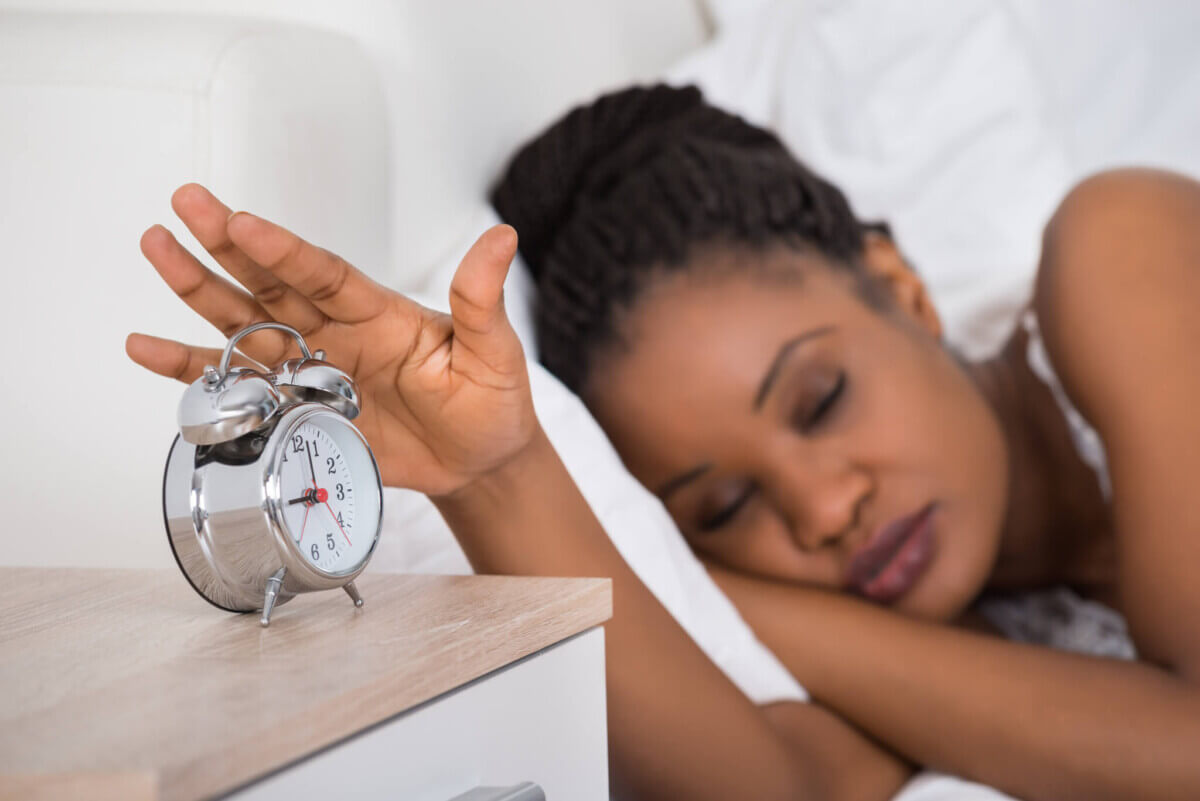
BASEL, Switzerland — There hasn’t been much for people to do while living in a coronavirus lockdown. Two new studies say there has been one benefit to quarantine — the world is catching up on their sleep.
The studies, published in the journal Current Biology, found that global stay-at-home orders have allowed people to get more sleep. More rest is also allowing many to reduce their “social jetlag,” the time difference between when people sleep on worknights compared to the weekend.
The first study of, which uses data from residents in Austria, Germany, and Switzerland, shows that people working from home are getting an average of 15 more minutes of sleep each night. The European study was conducted during the peak of the COVID-19 lockdowns in mid-March through late April.
In the United States, another study finds that stay-at-home orders have an even bigger impact on college students. Researchers from the University of Colorado, Boulder, after examining 139 students, say young adults are getting about 30 more minutes of sleep on weekdays and 24 more minutes on the weekends.
Their “jetlag” was also down as both studies found people are now going to bed at a steadier time from night to night.
Getting Up On Wrong Side Of The Bed
Although people are getting more sleep, researchers say many are not getting the full benefit of the extra rest. Sleep researcher Christine Blume says participants in the European study report that the quality of their sleep has decreased during quarantine.
“Usually, we would expect a decrease in social jetlag to be associated with reports of improved sleep quality,” the cognitive neuroscientist from the University of Basel’s Centre for Chronobiology says in a statement. “We think that the self-perceived burden, which substantially increased during this unprecedented COVID-19 lockdown, may have outweighed the otherwise beneficial effects of a reduced social jetlag.”
More Sleep Is A Good Thing No Matter What
Researchers say, even though coronavirus-related stress may be affecting your sleep, the more rest you ultimately get is good for your physical and mental health.
“Poor sleep health behaviors contribute to and worsen major health and safety problems, including heart disease and stroke, weight gain and obesity, diabetes, mood disorders such as depression and anxiety,” Kenneth Wright from the University of Colorado, Boulder explains.
Wright adds that not getting enough sleep can also lead to reduced work productivity and poor school performance. It also raises the risk of drowsy driving crashes.
Health experts recommend people get at least seven hours of sleep each day. The U.S. study shows that stay-at-home orders are helping to push the number of students getting enough sleep from 84 percent to 92 percent.
[fb_follow /]


