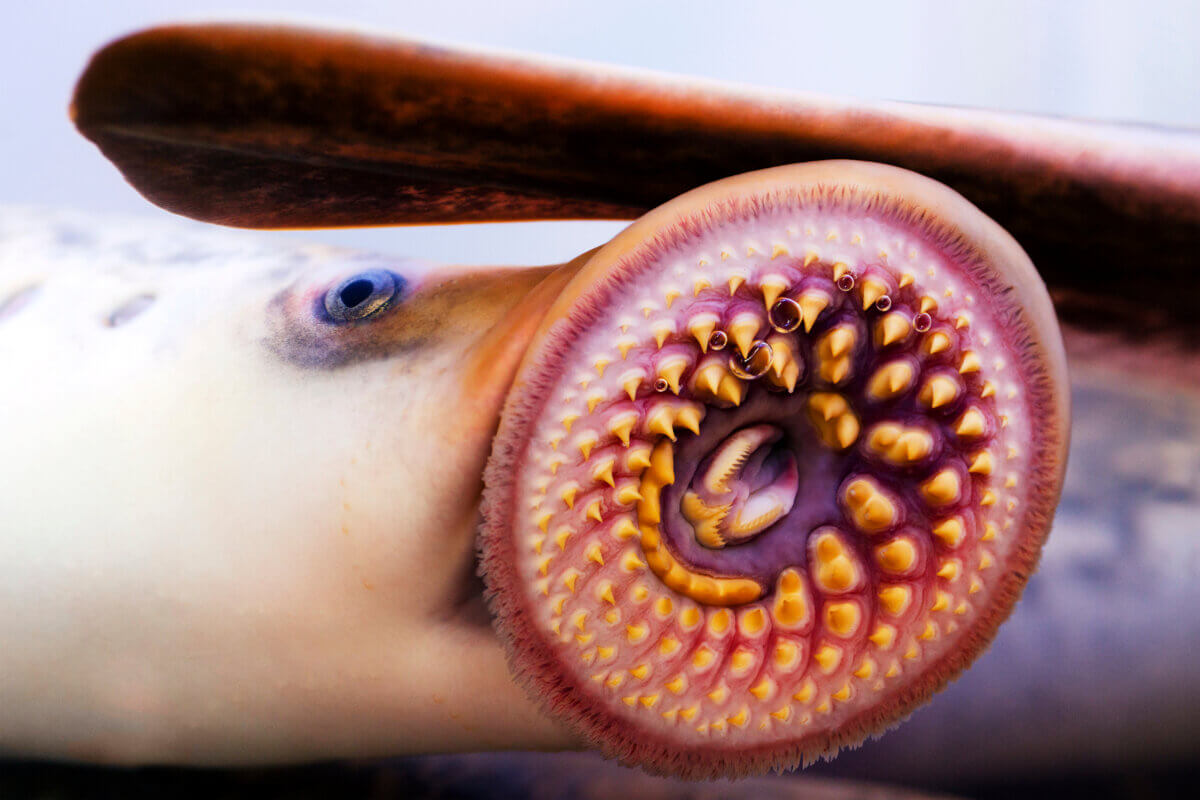
Closeup of a river lamprey. (Photo by Gena Melendrez on Shutterstock)
In the realm of evolutionary biology, an unlikely hero has emerged: the sea lamprey. This ancient, jawless fish, often viewed as a pest in Midwestern fisheries, is helping scientists unlock the secrets of our own evolutionary past. A jaw-dropping study from Northwestern University reveals fascinating insights into the origins of two crucial types of stem cells that played a pivotal role in vertebrate evolution.
The study, led by Professor Carole LaBonne, focuses on two types of stem cells: pluripotent blastula cells (also known as embryonic stem cells) and neural crest cells. Both of these cell types have the remarkable ability to develop into any other cell type in the body, a property known as pluripotency. By comparing the genetic makeup of lampreys with that of Xenopus, a jawed aquatic frog, the researchers have uncovered striking similarities in the gene networks that regulate these stem cells across both jawless and jawed vertebrates.
This discovery is particularly intriguing because lampreys represent one of only two living groups of jawless vertebrates, making them invaluable for understanding our evolutionary roots.
“Lampreys may hold the key to understanding where we came from. In evolutionary biology, if you want to understand where a feature came from, you can’t look forward to more complex vertebrates that have been evolving independently for 500 million years,” LaBonne says in a statement. “You need to look backwards to whatever the most primitive version of the type of animal you’re studying is, which leads us back to hagfish and lampreys — the last living examples of jawless vertebrates.”
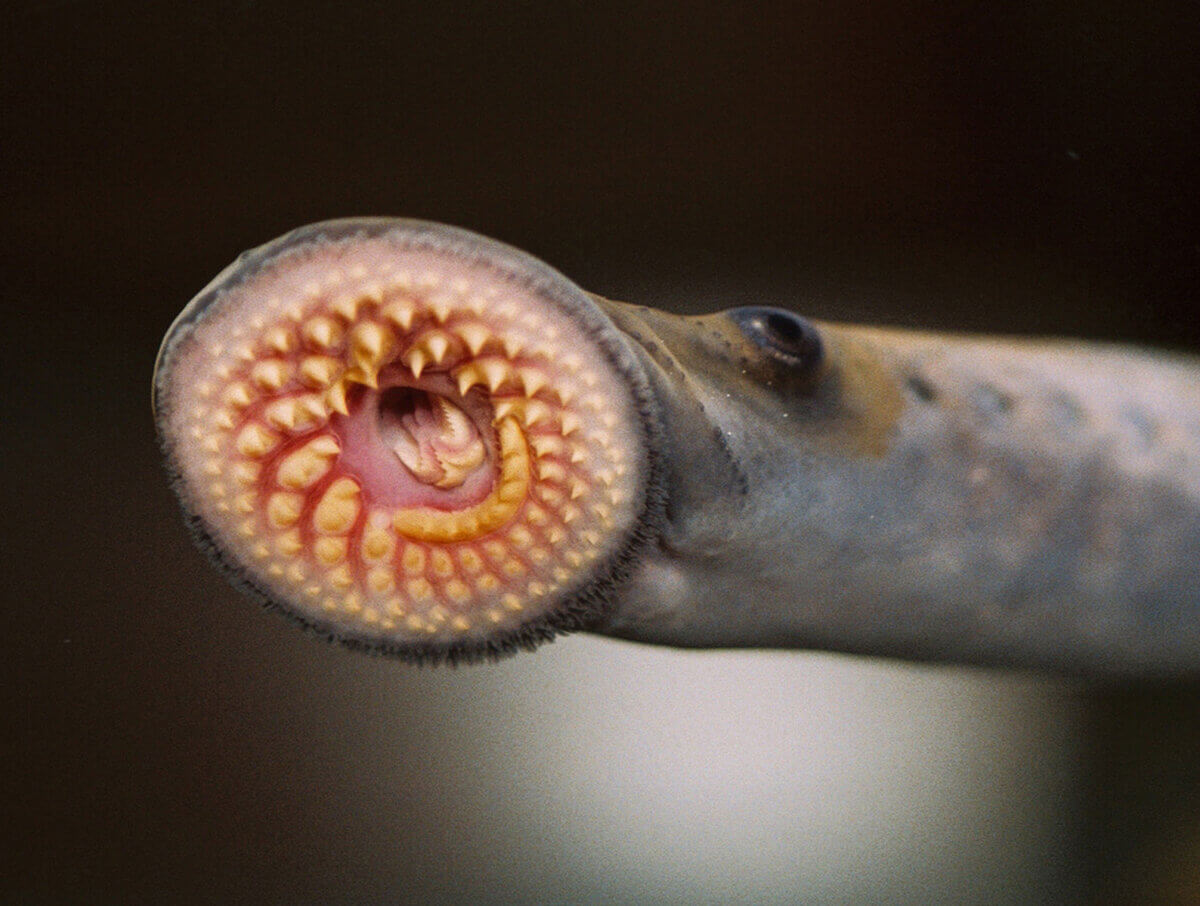
One of the most fascinating aspects of the study, published in Nature Ecology & Evolution, is the revelation about a gene called pou5. This gene, which plays a crucial role in regulating stem cells, is present in both lampreys and jawed vertebrates. However, while it’s expressed in the blastula cells of both groups, the researchers found that lampreys don’t express pou5 in their neural crest cells. This absence may explain why lampreys lack jaws and other skeletal features found in jawed vertebrates.
The implications of this discovery are profound. It suggests that the basic genetic toolkit for creating neural crest cells – the “evolutionary Lego set” as LaBonne calls them – was present in the earliest vertebrates. However, different lineages then modified how they used this toolkit over millions of years of evolution. This finding challenges our understanding of how complex features evolve, suggesting that innovation in nature often comes from repurposing existing genetic programs rather than inventing entirely new ones.
“Another remarkable finding of the study is that even though these animals are separated by 500 million years of evolution, there are stringent constraints on expression levels of genes needed to promote pluripotency. The big unanswered question is, why?” asks LaBonne.
This research not only sheds light on our evolutionary past but also has potential implications for understanding human development and disease. Neural crest cells, with their ability to form diverse cell types, play crucial roles in human embryonic development. Abnormalities in neural crest development can lead to a variety of congenital disorders. By understanding the ancient origins and regulation of these cells, we may gain new insights into these conditions and potential therapeutic approaches.
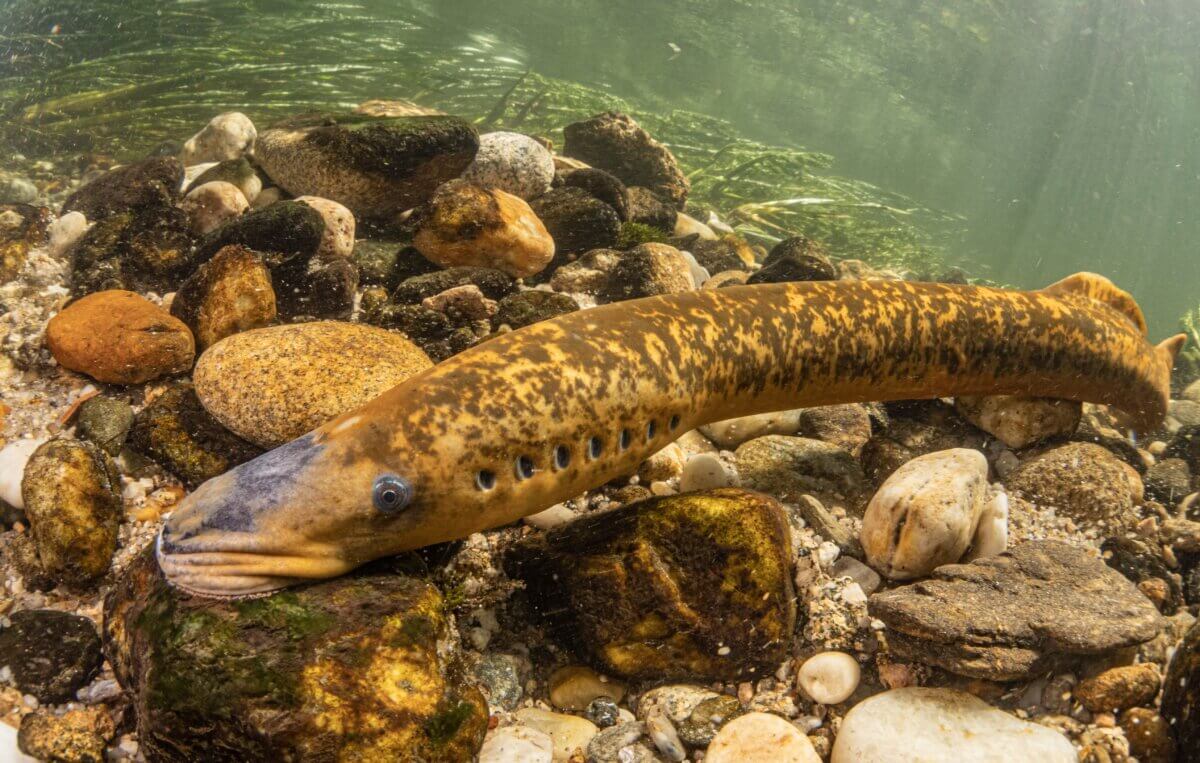
The study also highlights the importance of preserving and studying diverse species, even those we might consider pests. Though the lamprey is often seen as a nuisance in Great Lakes fisheries, it’s proven to provide a treasure trove of evolutionary information. It serves as a reminder that every species, no matter how seemingly insignificant, may hold clues to our own biological history and future.
From the jawless lamprey to humans with our complex brains and versatile hands, scientific research like this continues to show the common evolutionary heritage written in our genes. The story of vertebrate evolution, it seems, is one of both conservation and innovation, with ancient genetic programs serving as the foundation for the diversity of life we see today.
Paper Summary
Methodology
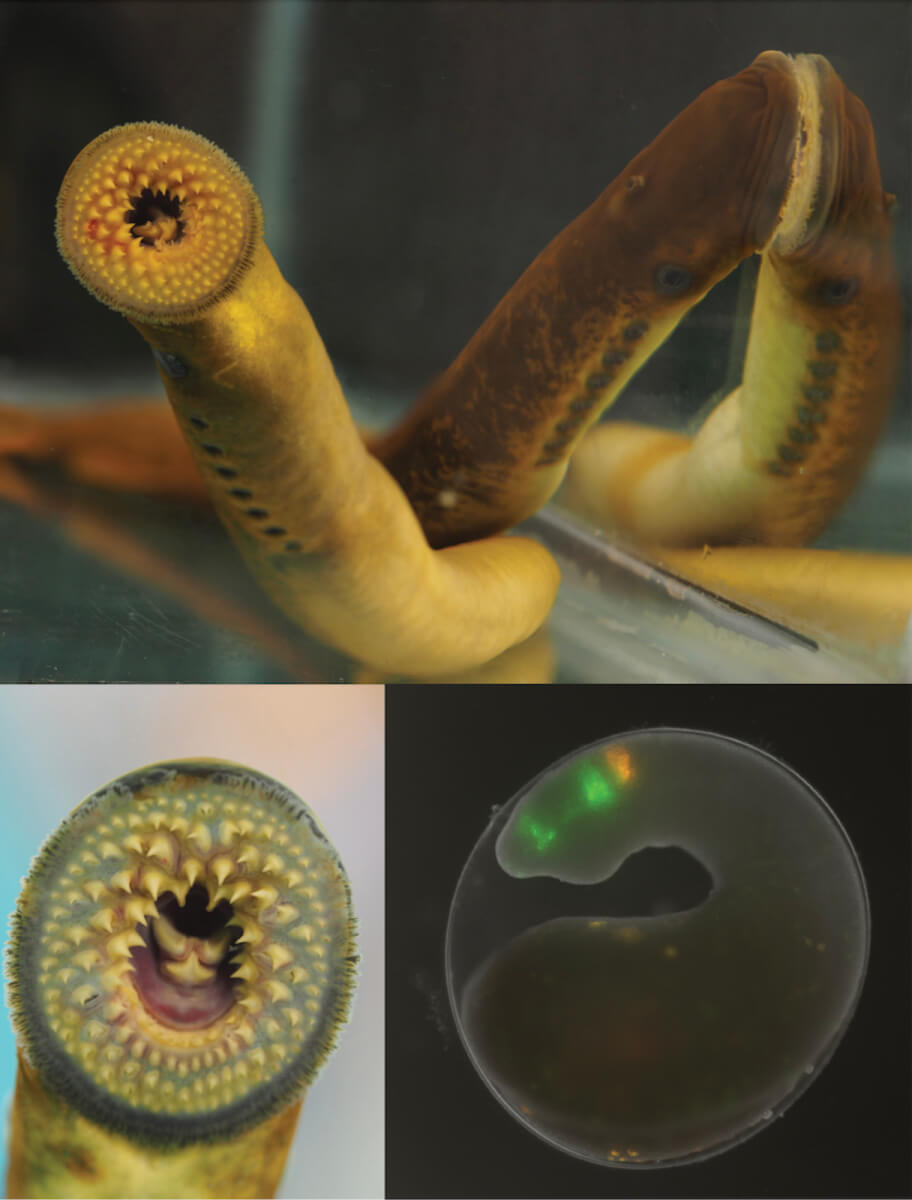
The researchers used comparative transcriptomics to analyze gene expression in lampreys and Xenopus frogs. This technique allows scientists to compare which genes are active in different species or cell types. They focused on the genes involved in pluripotency and neural crest development. The team also conducted experiments where they introduced the lamprey version of the pou5 gene into frog embryos to observe its effects on neural crest formation.
Results
The study revealed a remarkably similar pluripotency gene network in both lampreys and jawed vertebrates, even down to the level of how much certain key genes are expressed. However, they found that while both species express the pou5 gene in blastula cells, lampreys do not express it in neural crest cells. Despite this, when the lamprey pou5 gene was introduced into frog embryos, it could promote neural crest formation.
Limitations
While this study provides valuable insights, it’s important to note that it primarily focused on two species – lampreys and Xenopus frogs. While these represent important evolutionary lineages, they don’t capture the full diversity of vertebrates. Additionally, gene expression doesn’t always directly translate to cellular function, so further studies will be needed to fully understand the implications of these findings.
Discussion and Takeaways
This research suggests that the basic genetic toolkit for pluripotency and neural crest development was present in the earliest vertebrates, but has been modified in different ways over evolutionary time. The loss of pou5 expression in lamprey neural crest cells may explain some of the key differences between jawless and jawed vertebrates. The study also raises intriguing questions about why the expression levels of certain genes have been so tightly conserved over hundreds of millions of years of evolution.
Funding and Disclosures
The study was funded by grants from the National Institutes of Health, the National Science Foundation, the Simons Foundation, and the Walder Foundation through the Life Sciences Research Foundation. The researchers declared no competing interests.


