
(© Monkey Business - stock.adobe.com)
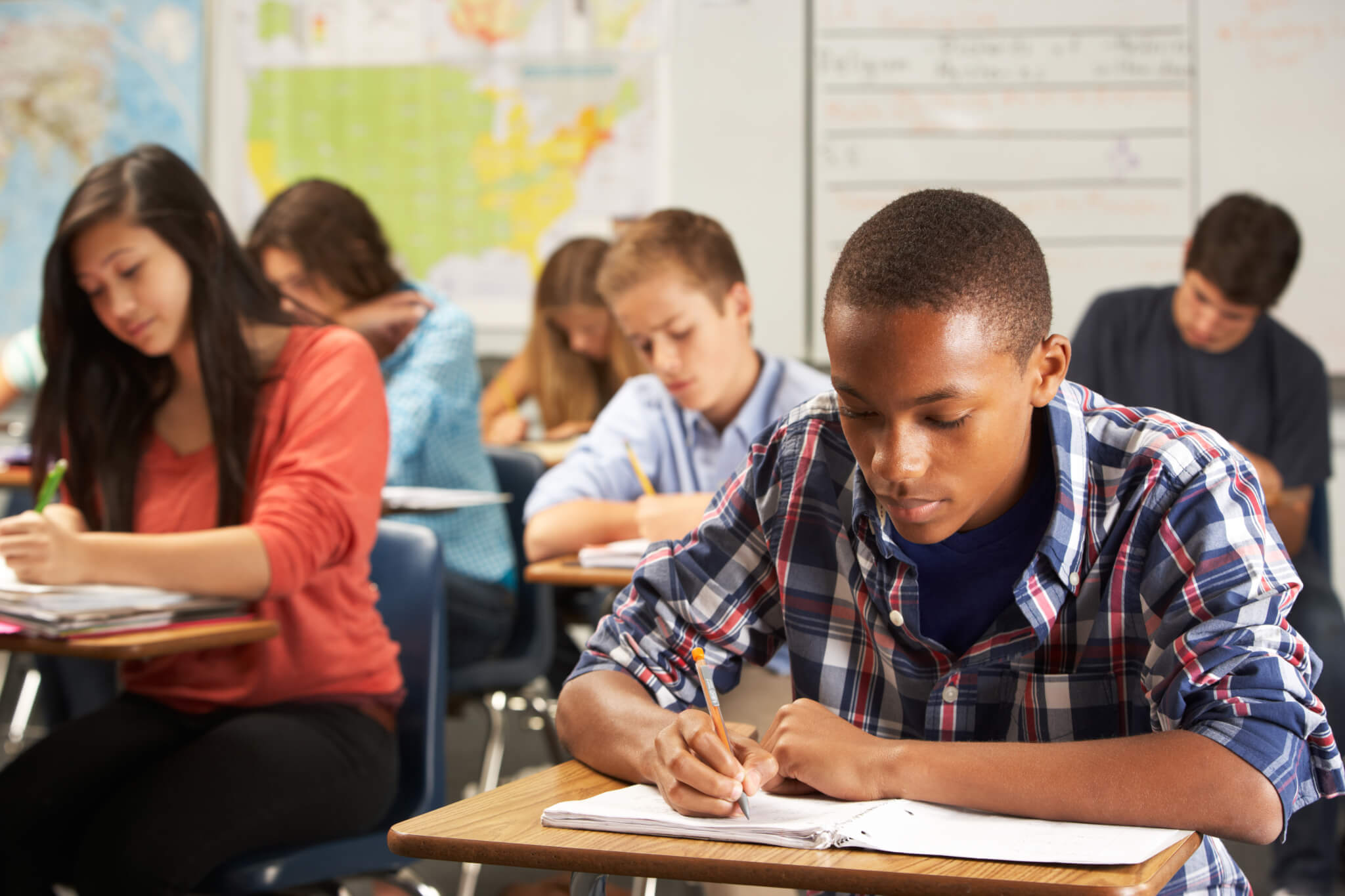
TRONDHEIM, Norway — Feeling good in the classroom makes it easier to get good grades. The more comfortable students feel at school, the greater their sense of achievement is, Norwegian researchers say.
“We’re finding a connection between pupils’ well-being at school and the subject matter, and with how well the pupils think they’re able to do the school work in all the subjects we examined,” says Hermundur Sigmundsson, a professor at Norwegian University of Science and Technology’s (NTNU) Department of Psychology, in a statement.
The NTNU researchers developed a test to examine the connection between well-being and self-perception of skills among 378 Icelandic students between the ages of 6 and 15. They allowed students to respond using emojis in order to make communication easier and efficient for them. Some of the questions asked included:
- How do you like school?
- How much do you like reading, math, science and physical education?
- How well are you doing in reading, math, science and physical education?
The team then looked at whether there were any connections between well-being at school and the three subjects listed above, and whether there was a relationship to perception of competency.
The link was strong overall, but they even found specific differences between genders as well. It’s well-understood by researchers that girls are better readers than boys. In fact, in Iceland and Norway, boys usually don’t actually learn to read well enough. Researchers continue to investigate ways to improve reading in young school boys, and therefore their school performance, to better align their progress with girls.
“Girls generally like reading better than boys do,” says Sigmundsson. “Girls also feel that they are better at science than the boys. But boys like physical education more than girls,” he adds.
As far as age, the team found something interesting. Older students are more uncomfortable at school and in all subjects except physical education, and also felt they performed worse than younger students.
“The oldest pupils seem to do worse in reading, mathematics and science, while also feeling less competent in those subjects,” says Sigmundsson. “This shows how important it is to see the school as a holistic system where the view of the various subjects is reflected in the view of the school itself, and vice versa.”
Here’s the takeaway, according to Sigmundsson: “This shows how important it is to see the school as a holistic system where the view of the various subjects is reflected in the view of the school itself, and vice versa.”
The findings are published in the Journal of Environmental Research and Public Health.


