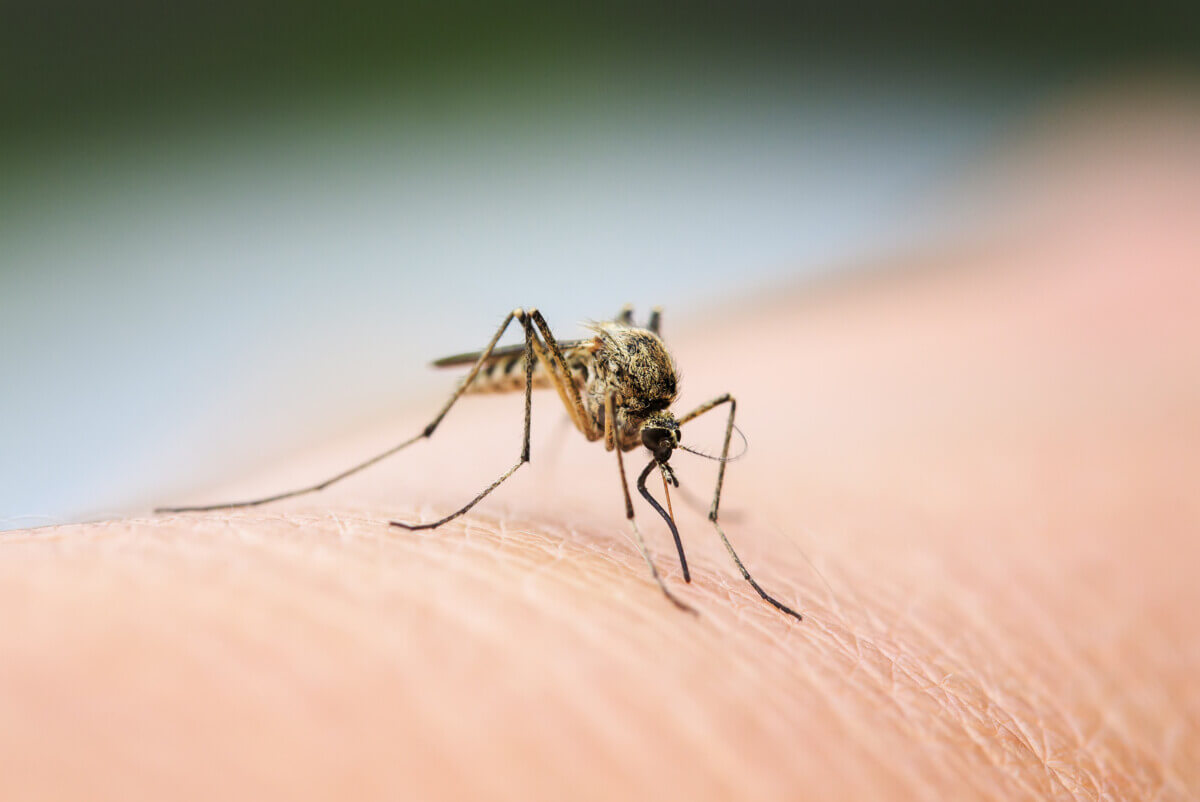
Mosquito (© nataba - stock.adobe.com)
The viruses spread by insects are continuing to mount: West Nile virus, Eastern equine encephalitis (EEE), and now “sloth fever,” caused by the Oropouche virus. The U.S. Centers for Disease Control and Prevention (CDC) has issued a warning that the disease has been detected in the United States among travelers from Cuba and Brazil. Here’s what you need to know about sloth fever.
What is sloth fever?
Sloth fever, also called Oropouche virus disease, spreads via the bites of midges and some species of mosquitoes. Biting midges are a type of small fly that feeds on blood. Previous outbreaks have occurred in Bolivia, Brazil, and Colombia. This year, more than 8,000 cases have been reported throughout Central and South America.
Traveling in forested areas can lead to infection. Insects can attach themselves to a person, their clothing, or an object and are carried into urban areas. The CDC reports that by mid-August 2024, 21 cases have been reported in Florida and New York, all traced to travelers returning from Cuba. There is no evidence of local transmission of sloth fever within the United States.
Since humans become infected from the bite of an infected midge or mosquito, there have been investigations examining reports of pregnant women passing the Oropouche virus to their unborn children.
The incubation period can take up to 10 days. About 60% of infected people experience symptoms which resemble those of dengue and Zika viruses, including:
- Chills
- Fever
- Headache
- Nausea
- Vomiting
- Abdominal pain
- Diarrhea
- Muscle and joint stiffness and aches
- Eye pain with light sensitivity
- Rash
The symptoms of sloth fever are usually mild but can recur. Most people recover in less than a month. In less than 5% of cases, however, infected people may develop serious bleeding conditions or neurologic disease. People with underlying medical conditions or women who are pregnant are at risk for more severe symptoms.
In some cases, Oropouche virus causes meningitis, encephalitis, and bleeding conditions. In rare instances, the virus can lead to death.
Treatment for sloth fever
There is no vaccine or specific treatment for Oropouche virus. People can relieve their symptoms using these treatments:
- Rest
- Fluids
- Painkillers: acetaminophen is preferred
- Fever reducers: acetaminophen is preferred
Aspirin and NSAIDs (like ibuprofen) should not be used due to the risk of hemorrhage (bleeding).
Tips for travelers
The CDC has released the following guidance for travelers to protect themselves from diseases transmitted by insects:
- Use a U.S. Environmental Protection Agency-registered insect repellent and wear long-sleeved shirts and pants to prevent insect bites when in forested areas and other outdoor locations.
- Mosquitoes and other biting insects are often most active during dawn and dusk. If possible, limit outdoor activities during these times.
- If you’re camping or staying in an area with a lot of mosquitoes, use a mosquito net over your sleeping area. Stay clear of standing water, which attracts insects.
- Know the signs: The most common symptoms of Oropouche virus are fever and headache. Symptoms usually begin up to 10 days after being bitten by an infected midge or mosquito. Most people infected with the virus feel better within a week, but symptoms may return later.
- Travelers who have been in areas with Oropouche virus transmission should prevent insect bites for at least three weeks after travel.
- Pregnant travelers should discuss steps to prevent insect bites and potential risks with their healthcare provider. The CDC recommends reconsidering nonessential travel if you’re pregnant and avoiding travel to countries with an Oropouche virus outbreak. If travel is unavoidable, pregnant travelers should strictly follow Oropouche virus prevention recommendations to stay safe.
What if you think you have Oropouche virus?
Seek medical care if you traveled to an area with Oropouche-infected insects and develop fever, chills, headache, joint pain, or muscle pain during travel or within two weeks after your trip. Tell your healthcare provider when and where you’ve traveled.
You can contact your state or local health department for more information and to ask for testing options.


