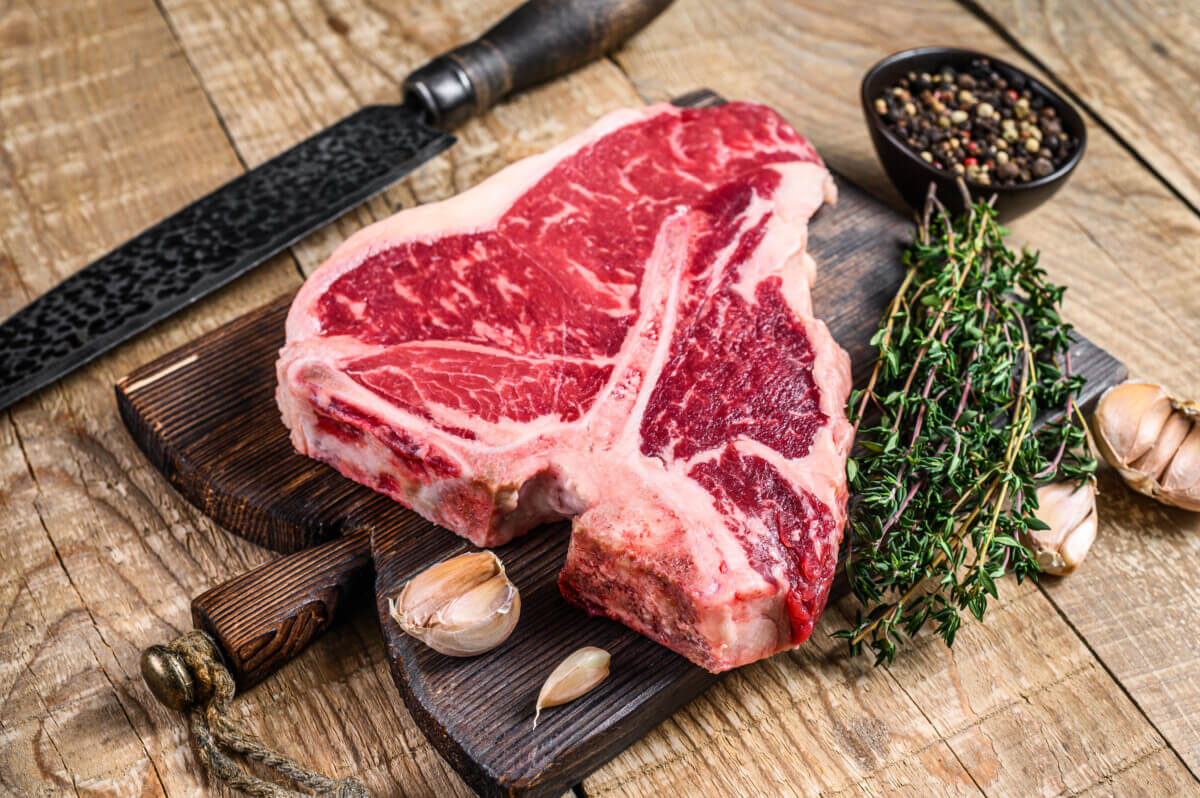
Raw Porterhouse steak (Photo by Mironov Vladimir on Shutterstock)
Red meat is often viewed as bad for us, but grass-fed is better! Right? Once upon a time, the cows our ancestors ate were roaming free and grazing on grass from birth up until their end. Now, cows are eating an unnatural diet of grains. So, does this difference in diet affect our health when we eat beef? Let’s examine the nutritional facts before your next steak dinner.
Beef is highly consumed in the United States, with the average person eating 67 pounds per year. According to the United States Department of Agriculture, consumption frequently varies by region and even race and income. Midwesterners (73 lbs) eat the most meat, followed by Southerners (65 lbs), and then Northeasterners (63 lbs). Black people have been found to eat the most meat out of all races, and more low-income people eat beef compared to those in higher-income households.
It might surprise you to learn that beef is considered one of the healthiest meats to eat. Although fatty red meats aren’t usually the best option, lean cuts give you much less fat while still providing a bunch of valuable nutrition. Beef is filled with high-quality protein, B vitamins, iron, zinc, phosphorus, and more.
Grass-fed beef is typically viewed as the healthier variety, and it’s true that beef can have varying nutrient compositions depending on the cow’s diet. At the same time, all beef provides good nutrition, and there are some important things to set straight.
What do cows ‘usually’ eat?
Conventional beef is what makes up most red meat consumption in this country. In most cases, these cows are eating corn and soy, two foods not part of their natural diet. The goal of giving them these foods is to provide a high-calorie, energy-dense diet that promotes quick weight gain. Usually, along with the grains, these cows will receive a small amount of dried grass at some point.
What does ‘grass-fed’ mean?
Grass-fed actually isn’t a clear-cut term and really can be used even if cows have been fed grass for only a short period of time. Companies can slap that on the label even if the cows receive corn, soy, grains, and other things that most other cows are fed. In fact, all cows eat grass at some point, meaning the label can be really misleading more often than not.
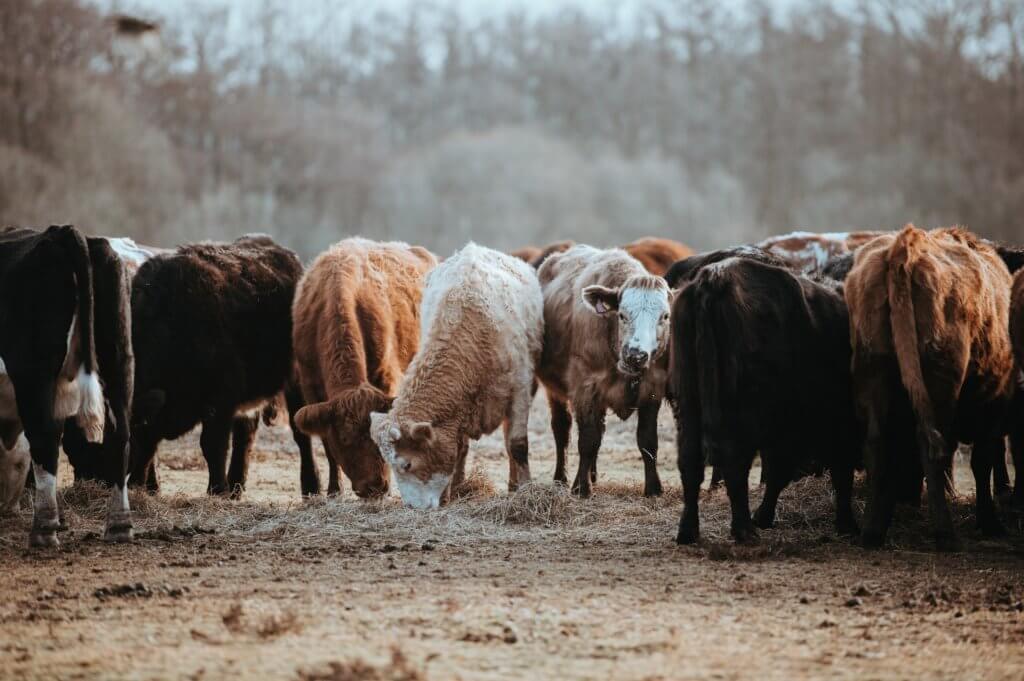
People often think that a grass-fed label also means that the cows may have lived in better conditions. Unfortunately, the label can’t tell you that either. Pasture-raised cows are the ones roaming around, grazing, and enjoying the Sun. Lots of grass-fed beef comes from cows who sit in feedlots all day, every day, just like beef from conventional cows.
Are there any health differences?
If the label can basically be used at a manufacturer’s will, you might be wondering if there actually is any health benefit to choosing grass over grain-fed. Usually, grass-fed beef does have a better nutrient profile because the cows are eating more of what they naturally should be. Some of the benefits of grass-fed beef:
- Up to 4 to 5 times the amount of heart-healthy omega 3’s
- Much higher in vitamin A
- Far more significant vitamin E content
You might notice that the list of differences isn’t that long, and that’s because conventional beef provides loads of nutrients, just like grass-fed beef does. However, the latter can help you optimize your diet by providing you with more of some.
What is grass-finished beef?
Grass-finished beef is the life of the party that everyone thinks grass-fed is. If you’re set on removing conventional beef from your diet, it’s best to look for “grass-fed, grass-finished” on the label. Having that last part is key because it means that the cows were pasture-raised and eating grass their entire lives. These cows are allowed to live at a much more natural pace, being free to roam and graze in a much more chill environment. They’re ultimately slaughtered in a much less stressful way as well.
Bottom Line
Honestly, if you aren’t willing to source grass-fed, grass-finished beef, sticking to conventional beef is probably the best choice from a nutritional and cost standpoint. Just buying beef with a “grass-fed” label doesn’t tell you as much about what the cows were actually eating on the farm as you might have previously thought. While this beef does have more health benefits, specifically with the fat profile, it all depends on how much of a natural diet the animals actually ate.


