(© Saiful52 - stock.adobe.com)
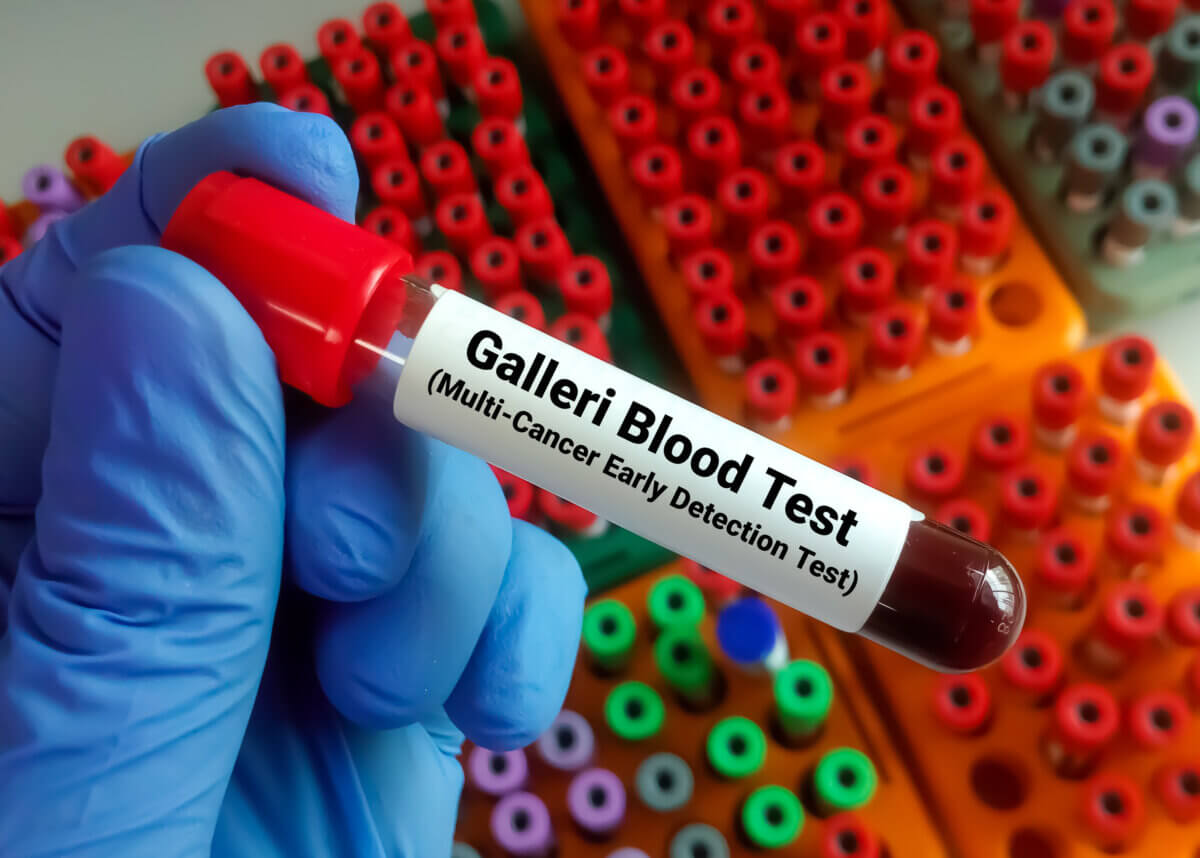
LONDON — Imagine a simple blood test that could detect over 50 types of cancer before you even have symptoms. It sounds like a medical miracle, doesn’t it? Yet that’s exactly what the Galleri test, developed by California-based biotech company Grail, promises to do. But a stunning investigation published by The BMJ reveals that this much-hyped screening tool may be more snake oil than silver bullet.
The National Health Service (NHS) in England is currently running a massive £150 million (about $192 million) trial of the Galleri test, involving over 100,000 participants. If successful, the plan is to roll out a further pilot involving up to one million tests. It’s a high-stakes gamble that could hand Grail a lucrative deal worth billions, with each test currently retailing for $950 in the U.S.
But here’s the kicker: mounting evidence suggests that the Galleri test may not be nearly as effective as its makers claim. In fact, some experts are questioning why the trial is even being conducted in the first place, given the test’s poor performance in earlier studies.
The Galleri test is what’s known as a “liquid biopsy.” It works by analyzing DNA fragments in the blood that have been shed by cancer cells. These fragments have specific “methylation patterns” that the test can detect using advanced machine learning algorithms. In theory, this should allow for early detection of many hard-to-diagnose cancers like pancreatic, ovarian, and head and neck cancers.
However, the reality is far less impressive. In a 2020 study, the Galleri test only detected 43.9% of stage I-III cancers in patients already known to have cancer. A 2021 study found the test’s sensitivity for stage I cancers was a measly 16.8%. That means it missed over 80% of early-stage cancers – precisely the ones a screening test should be catching.
So why is the NHS spending £150 million to trial a test that seems doomed to fail? The investigation, led by Margaret McCartney of the University of St. Andrews and investigative journalist Deborah Cohen, points to a troubling mix of industry influence, political maneuvering, and regulatory corner-cutting.
Emails obtained through freedom of information requests reveal that Grail and its then-parent company Illumina leveraged existing relationships with the NHS and the UK government to push for the trial. They touted the potential economic benefits of bringing the technology to the UK, playing into the government’s ambitions to make Britain a “life sciences powerhouse.”
The deal was struck with remarkable speed – just six weeks after initial lobbying efforts. Experts interviewed by The BMJ suggest that the government’s eagerness to align with the genomics industry may have blinded them to crucial questions about whether the technology was truly in the public interest.
“It is following a pattern established in this country over the past decade where the regulatory or evidential bar is being set lower and lower in favor of the private sector, with the public sector (that is, our taxes) taking all the risk,” Richard Sullivan, director of the Institute of Cancer Policy at King’s College London, said in the investigation.
Adding to the concerns, the trial itself has been marked by an unusual level of secrecy. Good practice dictates that trial protocols should be publicly available before a study begins. But details of the NHS Galleri trial weren’t uploaded to the clinical trials registry until over a year after it started.
Perhaps most alarming are the leaked documents obtained by The BMJ, which reveal for the first time the criteria being used to judge the trial’s success. These criteria have been criticized by experts as insufficient to justify a new national screening program. Even the chair of the UK National Screening Committee has privately expressed “serious concerns” about the trial’s ability to provide adequate evidence on whether the benefits outweigh potential harms.
The documents also expose the sweetheart deal offered to Grail. If the trial meets certain benchmarks, the NHS has committed to buying not just one million tests, but an additional five million by 2030. In return, Grail promises to build a state-of-the-art facility in the UK – a classic case of dangling economic benefits to secure a lucrative contract.
All of this paints a picture of a trial driven more by hype and politics than by sound science. It raises serious questions about the NHS’s decision-making process and whether the public’s health is truly being put first.
As the trial continues, experts are warning that even if it meets its stated goals, it may not actually improve cancer outcomes or save lives. They argue that detecting more cancers earlier doesn’t necessarily translate to better survival rates, especially if those cancers would never have caused problems in a person’s lifetime.
The story of the Galleri test is still being written, and its final chapter may yet surprise us. But regardless of the outcome, this controversy has already shed light on critical flaws in how we evaluate and adopt new medical technologies. It’s a powerful reminder that in the world of healthcare, where lives hang in the balance, we must always prioritize rigorous science over quick fixes and flashy promises.
Paper Summary
Methodology
The BMJ investigation relied on a combination of document analysis and expert interviews. The researchers obtained internal NHS and government documents through freedom of information requests. They also analyzed publicly available scientific studies on the Galleri test and similar technologies. To provide context and expert opinion, they interviewed leading cancer researchers, epidemiologists, and health policy experts.
Results
The investigation uncovered several key findings:
- The Galleri test has shown poor performance in detecting early-stage cancers in previous studies.
- The NHS trial was initiated following rapid lobbying efforts by Grail and Illumina.
- The trial protocol and success criteria were not made public until well after the study began.
- Leaked documents reveal that the NHS has committed to large-scale purchases of the test if certain benchmarks are met.
- Experts, including the chair of the UK National Screening Committee, have expressed serious concerns about the trial’s design and its ability to provide meaningful evidence.
Limitations
The investigation relies heavily on leaked documents and freedom of information requests, which may not provide a complete picture of the decision-making process. The full details of the NHS-Grail contract remain confidential. Additionally, as the trial is ongoing, its final results are not yet available for analysis.
Discussion and Takeaways
The investigation raises significant concerns about the process by which new medical technologies are evaluated and adopted by the NHS. It suggests that economic and political factors may be influencing healthcare decisions in ways that could compromise patient care and public health. The experts interviewed argue for greater transparency, more rigorous scientific evaluation, and a re-examination of how the NHS engages with private industry.
Funding and Disclosures
The BMJ investigation was funded by the journal’s Investigations Unit. The authors declared no competing interests related to this investigation.


