(© Sherry Young - stock.adobe.com)
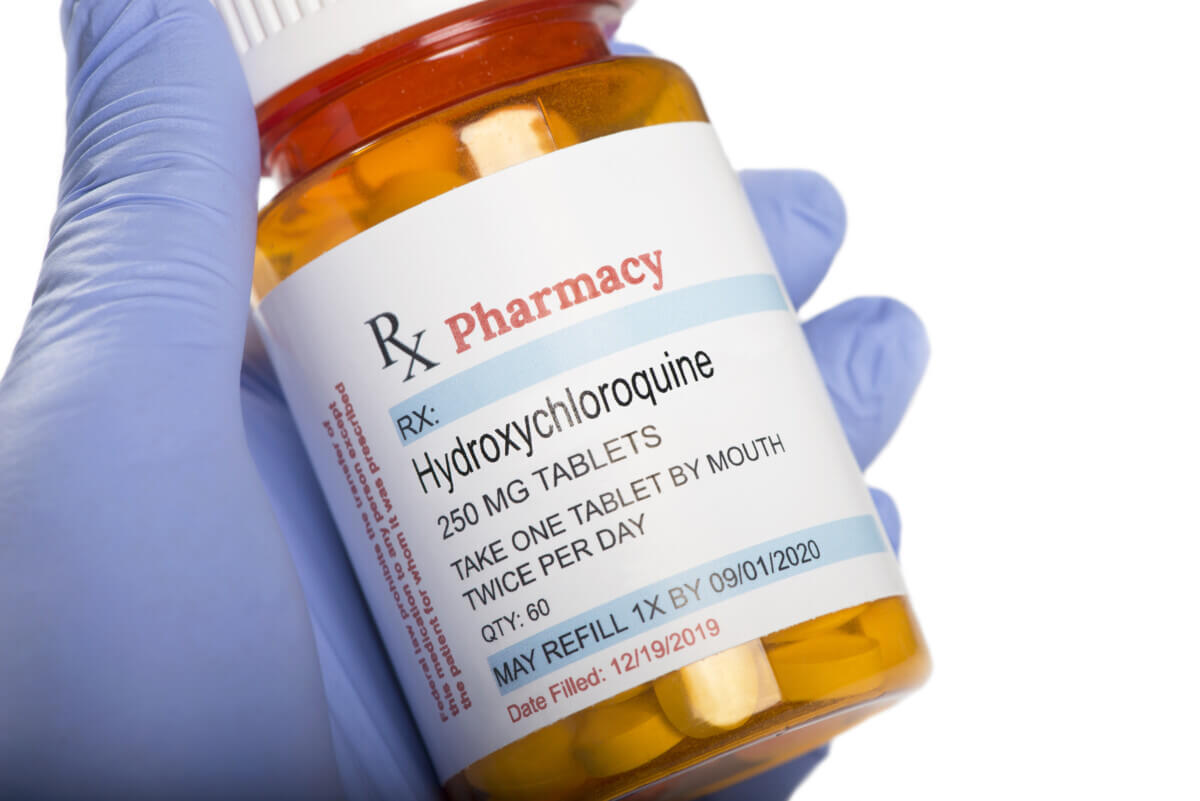
MINNEAPOLIS — Hydroxychloroquine has been under heavy scrutiny ever since President Trump proclaimed the drug as a possible treatment for COVID-19, and admitted he’d been taking it himself. Now, the University of Minnesota Medical School has released their findings from the first ever randomized clinical trial testing hydroxychloroquine’s effect on individuals with coronavirus. Researchers conclude that the antimalaria medication is no more effective at stopping COVID-19 than a placebo.
Additionally, 40% of people participating in the trial experienced negative side effects from the drug, including diarrhea, nausea, and an upset stomach. That being said, all side effects were mild in nature; no patient reported serious complications or cardiac problems after taking hydroxychloroquine.
The research is not tied to the two retracted studies which claimed that hydroxychloroquine provided no benefit for COVID-19 patients, and increased the risk of potentially deadly heart problems.
This latest study, which started back in March, specifically investigated if hydroxychloroquine could stop COVID-19 from emerging in a group of healthy individuals after they had been exposed to someone infected with the coronavirus. In total, 821 non-hospitalized U.S. or Canadian adults took part in the trial. All of those adults had been exposed to COVID-19, either via someone they were living with, or from working as a healthcare professional / first responder.
The research was “double blind” in nature, meaning neither the researchers nor the participants knew who was taking hydroxychloroquine and who was taking a placebo. All participants were tracked for two weeks.
Ultimately, 12% of tracked adults who were given hydroxychloroquine developed COVID-19, while 14% of those given a placebo did the same. That’s not enough for a statistical difference, and according to the study’s authors, that percentage essentially means for every 40 individuals given hydroxychloroquine to stop COVID-19, one infection would be prevented.
Some people also reported taking vitamin C and zinc to fend off the coronavirus, but no benefits were observed among those participants.
“Our objective was to answer the question of whether hydroxychloroquine worked to prevent disease or did not work,” comments senior trial investigator David Boulware, MD, MPH, an infectious disease physician at the University of Minnesota, in a release. “While we are disappointed that this did not prevent COVID-19, we are pleased that we were able to provide a conclusive answer. Our objective was to find an answer.”
The study is published in the New England Journal of Medicine.
[fb_follow /]


